Meet Jerri and Lesli, our newest American Sign Language instructors


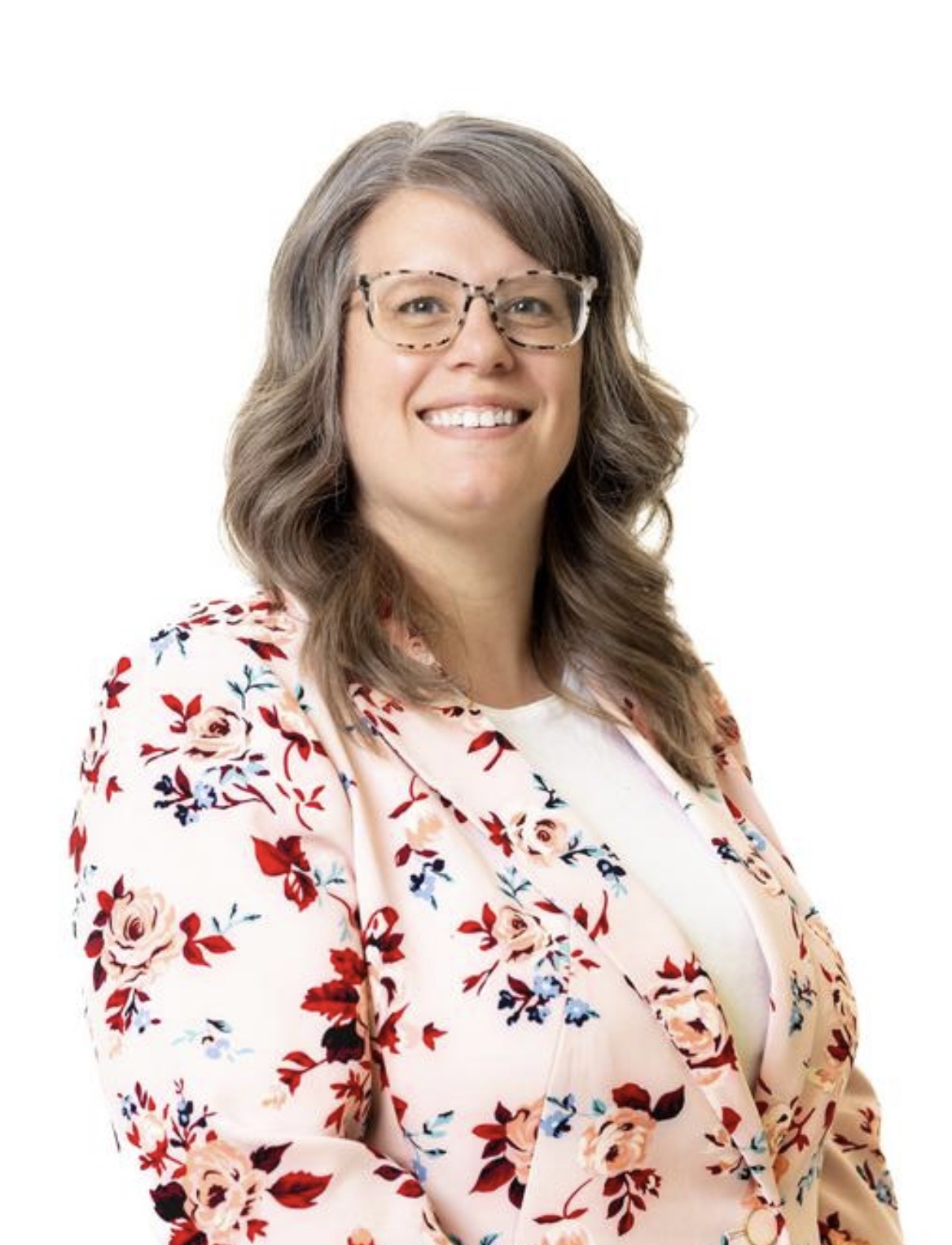
Lesli Williams (Provided)
Which classes are you teaching this year?

Jerri: I’m teaching two ASL III (SHS 321) courses and re-designing SHS 222: Language & Culture of Deaf Communities.

Lesli: This year, I’m teaching SHS 121: American Sign Language I, SHS 221: American Sign Language II and SHS 321: American Sign Language III.

Why did you want to become an ASL Instructor for the U. of I.? What attracted you to the role?

Jerri: It’s a great opportunity to teach at U. of I., which has a well-known and highly respected team in the U.S. I come from a Deaf family and love sharing my authentic background.

Lesli: I was drawn to the position because of its commitment to inclusive education and strong support for language and cultural diversity. The opportunity to teach ASL at a university level allows me to share the richness of Deaf culture with a broader audience and help bridge communication between Deaf and hearing communities.

Tell us about your life and career experience. How did you become an instructor of American Sign Language, and where has that taken you so far?

Jerri: I began teaching ASL in 2014 at George Washington University in Washington, D.C.
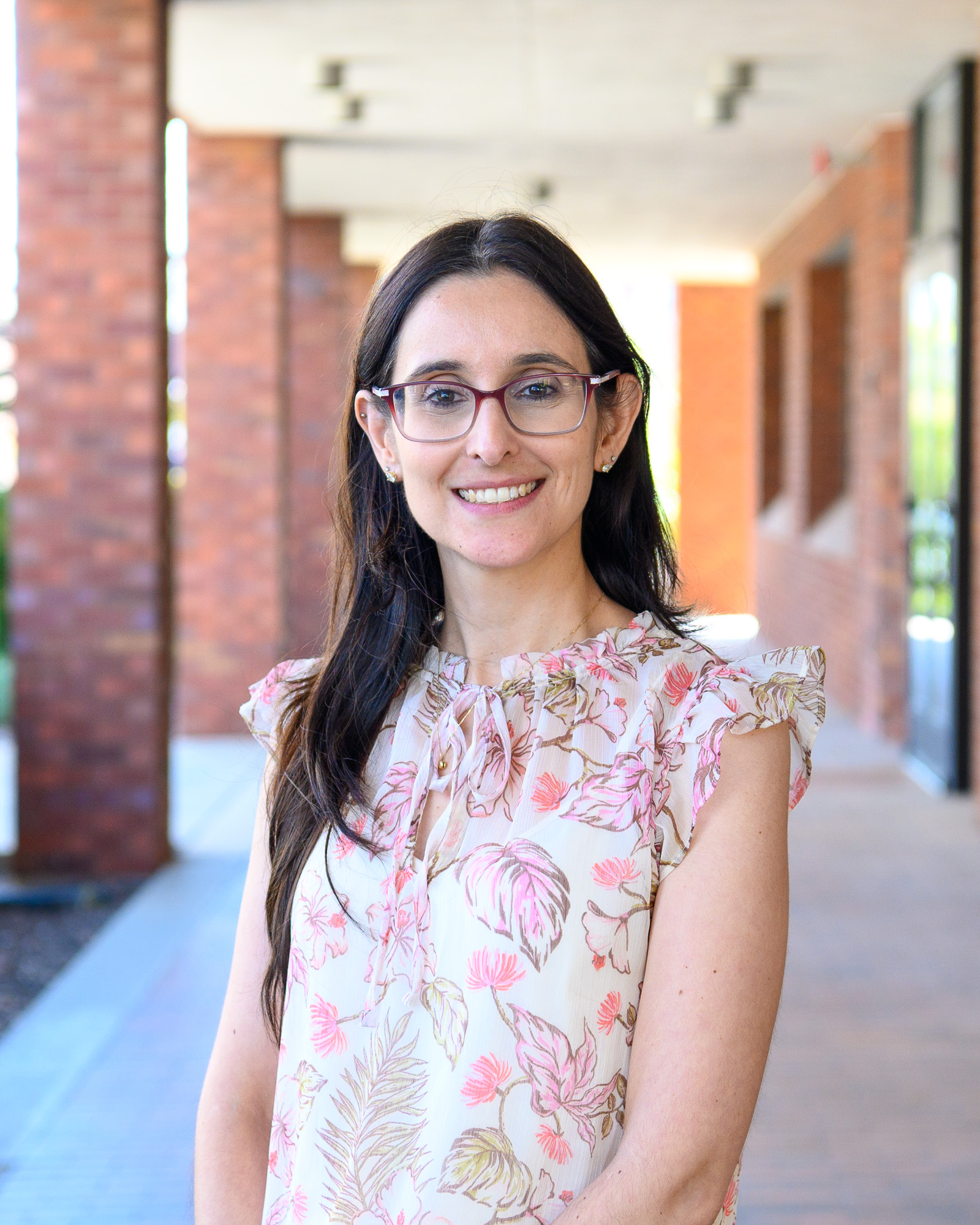
Jerri Seremeth (Provided)

Lesli: My journey with ASL started at the age of 2, I learned from a Deaf Mentor, Bob Laughna, self-taught books and old VHS signing videos, and learned signs from the Deaf Community. I grew up in only-mainstream education with no Deaf programs in my elementary, middle and high school. I graduated from Negaunee High School in 2005. I graduated from Northern Michigan University with associate’s degree in cosmetology, which I worked in salons for 15 years.

Over time, I developed a deep appreciation not just for the language, but for the culture and history of the Deaf community. After finishing up my cosmetology journey, I pursued a bachelor’s degree in Deaf Studies from Gallaudet University in 2015 and Masters in Adult Education and Training, specializing in Technology from University of Phoenix in 2017.  I eventually began teaching in 2017 at my alma mater Northern Michigan University while pursing my master’s with University of Phoenix at the same time.

Since then, I’ve taught in various settings—Northern Michigan University, where I did face-to-face and online teaching from 2017 to 2025, and Columbia College, where I taught online for the last two years, and I just started my new teaching career here at University of Illinois, Urbana-Champaign this semester —and have loved seeing students grow in both skill and cultural understanding.

If you had to choose, what is the most rewarding part of being an ASL instructor for you?

Jerri: The most rewarding part is being able to teach my language and culture, giving students exposure that helps them understand us better.

Lesli: One of the most rewarding parts of teaching ASL is witnessing students make meaningful connections—not just linguistically, but culturally. When students begin to understand Deaf culture and the importance of visual language, it opens their eyes to a whole new way of experiencing communication.

For those who haven’t taken any ASL classes, or those who aren’t familiar with the Deaf community, what do you think they would find the most surprising about American Sign Language or how it’s taught?

Jerri: They might be surprised by how important facial expressions are—they make up about 70% of our language.

Lesli: Many people are surprised to learn that ASL is a complete and complex language with its own grammar and syntax completely separate from English. They’re also often surprised by how interactive and visual ASL classes are—learning through movement, facial expressions, and storytelling is very different from traditional classroom learning.

Is there anything else you’d like folks in the department to know about you?

Jerri: My husband and I have eight children together. Our youngest is an exchange student from Africa, and all of our children are Deaf. Also, hiking is my favorite escape!

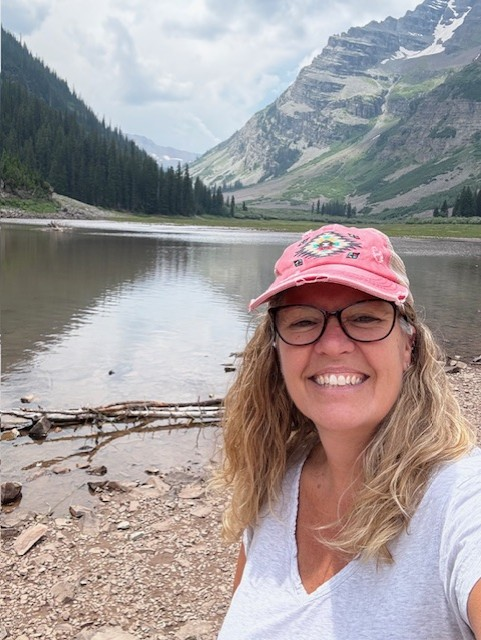
Lesli: I’m passionate about creating inclusive and engaging spaces for all learners. I also love collaborating with others in the department and beyond to promote awareness of Deaf culture and language. Outside the classroom, I enjoy walking, hiking, camping, playing with my beautiful daughters—ages 6, 5 and 2 years old—and attending Deaf events and traveling, which often feed back into my teaching. 

Related news

AHS Faculty Q&A: Mariana Mendes Bahia on swallowing disorders and her research agenda


Mariana Mendes Bahia. (Photo by Ethan Simmons)
How was your first year at the Department of Speech and Hearing Science here at AHS?

Mariana: My first year was a period of growth and adaptation as I became familiar with the university and the Department of SHS. I have been fortunate to receive consistent support from colleagues and departmental staff, which greatly eased this transitional period and helped me navigate new academic and administrative environments.

This year was also dedicated to establishing my laboratory, the Neuro+Swallowing Research Lab, and laying the foundation for my future research program. Setting up the lab allowed me to plan my next steps, define research priorities, and begin shaping a trajectory that aligns with my long-term academic goals, while learning to adapt to the challenges and opportunities of a new institutional setting.

When did you first become interested in studying swallowing physiology and disorders, and why have you stuck with that topic in your research?

My initial interest in swallowing developed during my specialization in speech-language pathology in neurology, when I had the opportunity to conduct swallowing assessments and provide treatment for individuals with swallowing disorders, known as dysphagia, related to neurological diseases.

I was fascinated by the complexity of the swallowing process—something we do countless times a day without even thinking about it. What intrigued me most was how such an automatic act relies on the intricate coordination of more than 30 muscles (and many other structures), several nerves, and brain structures. The interaction among all the swallowing structures, along with the brain and breathing, felt like solving puzzles, and this challenge sparked my curiosity and passion for learning more about the mechanisms behind swallowing and how to best support patients with these difficulties.

As a clinically trained speech-language pathologist, I have observed the devastating impact of swallowing disorders on individuals and their families. This experience has motivated me to integrate my clinical expertise and research background in the investigation of swallowing physiology, particularly the interaction between brain-swallowing and breathing-swallowing, to advance rehabilitation approaches that enhance swallowing ability, improve patient care and enhance the quality of life for individuals with dysphagia and their families.

Bahia in her office at the Speech and Hearing Science building.
You’ve described dysphagia as an “invisible” disorder. For the folks you’ve worked with, how does dysphagia impact their quality of life?

Swallowing is a critical process for life. We need to eat and drink for adequate nutrition and hydration. However, we also eat and drink for pleasure and comfort. Eating is a highly social activity. Therefore, the impacts of swallowing disorders or dysphagia are not restricted to the physical health domain, such as inadequate food or liquid intake, resulting in malnutrition, dehydration, or unintended weight loss.

Individuals with dysphagia face psychological, emotional, and social impacts, including fear of eating, embarrassment, loss of enjoyment when they cannot eat or drink certain foods, and reduced social participation in cultural events or family gatherings where eating is central. The limited ability to share a meal may weaken family and community bonds.

Which therapeutic interventions can work for those living with dysphagia?

Therapeutic interventions for dysphagia aim to improve swallowing safety—preventing food or liquid from entering the airway—and efficiency: ensuring adequate passage of food from the mouth to the stomach. Importantly, interventions are tailored to individual needs and target specific impairments evident in each person. Interventions may include compensatory strategies, such as head adjustments and dietary modifications, to reduce the risk of airway invasion, as well as rehabilitative exercises to strengthen the swallowing muscles, improve the movement of swallowing structures, and enhance the coordination of the swallowing process. Additionally, rehabilitative exercises can be paired with other therapeutic modalities, such as neuromuscular electrical stimulation and brain stimulation.

Editor’s note:

To reach Mariana Mendes Bahia, email mmbahia@illinois.edu.
 

Related news

Announcing our faculty promotions for 2025-26


Seven faculty at the College of Applied Health Sciences received promotions prior to the 2025-26 Academic Year. Here are their new faculty titles.

Professor

Nicholas Burd, Health and Kinesiology

Andiara Schwingel, Health and Kinesiology

Associate Professor

Susan Aguiñaga, Health and Kinesiology

Jacob Allen, Health and Kinesiology

Mary Flaherty, Speech and Hearing Science

Sharon Zou, Recreation, Sport and Tourism

Teaching Associate Professor

Kristen DiFilippo, Health and Kinesiology

Related news

Department of Speech and Hearing Science
901 South Sixth Street
M/C 482
Champaign, IL 61820
217-333-2230