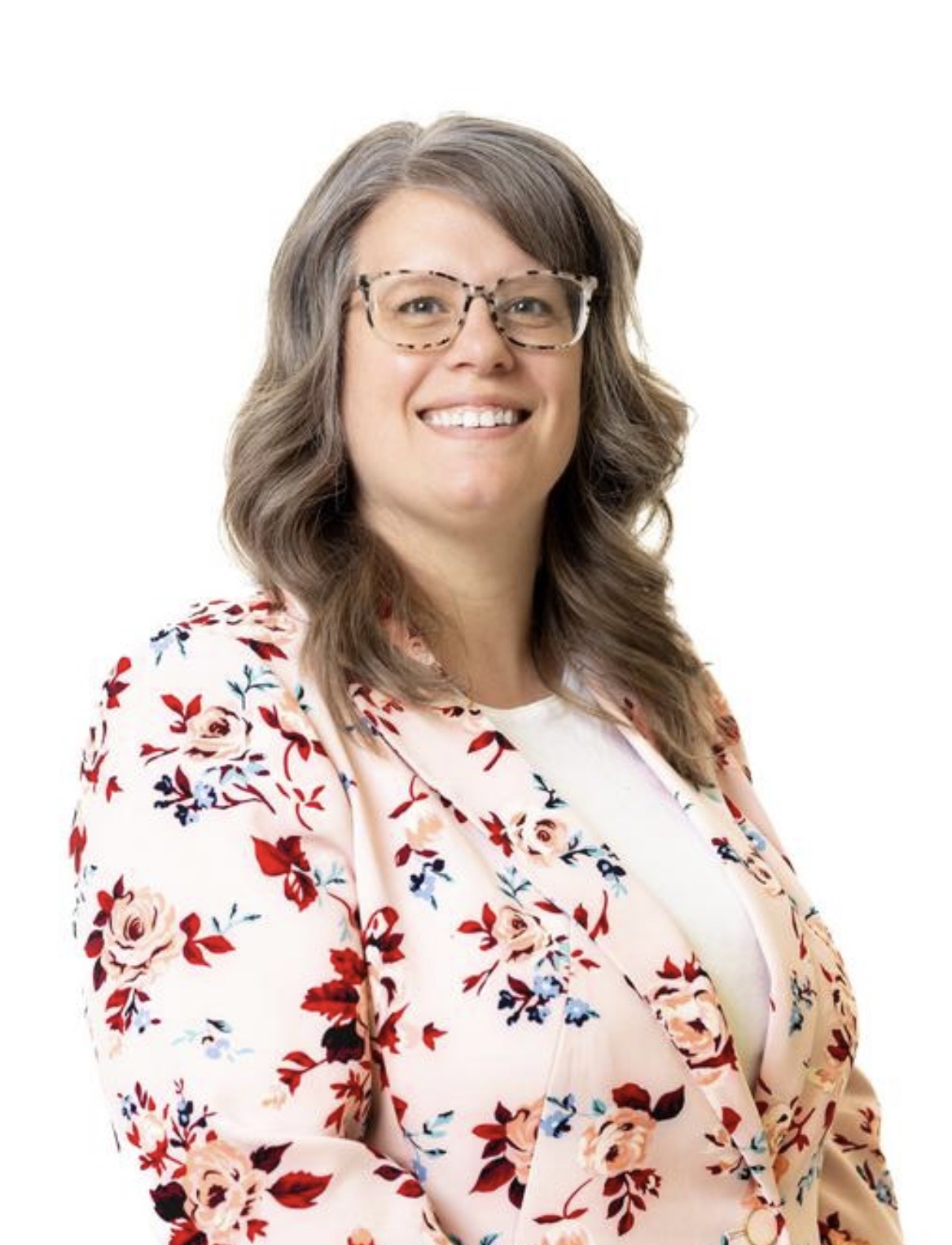
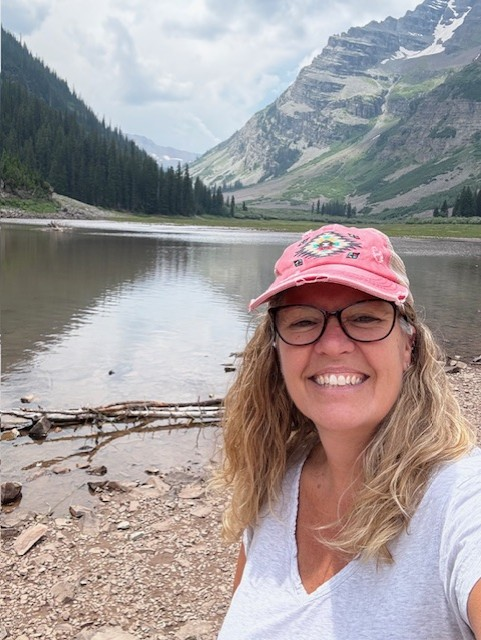
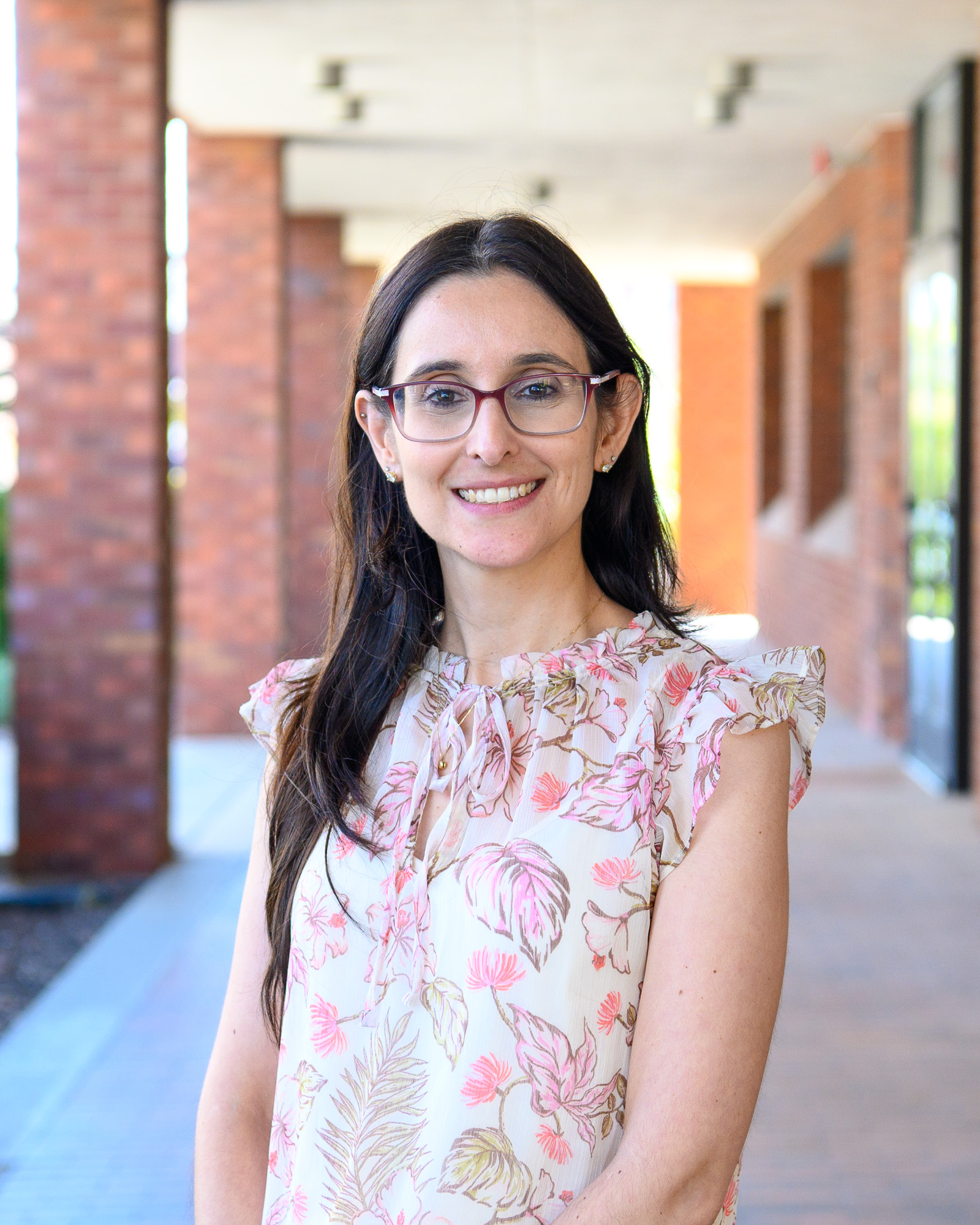
Recognized by the Office of the Provost: Speech and Hearing Science Associate Professor Mary Flaherty and Health and Kinesiology Instructor Christy Bazan
SHS Associate Professor Mary Flaherty (left) and HK Adjunct Instructor Christy Bazan were recognized for excellence in instruction.
Every year, the University of Illinois Office of the Provost recognizes faculty members for excellence in instruction, who are nominated by committees of faculty, staff and students at each college.
This year, two Applied Health Sciences faculty members won campus awards for their teaching and mentorship in the classroom: Speech and Hearing Science Associate Professor Mary Flaherty won for Excellence in Undergraduate Teaching, and Health and Kinesiology Adjunct Instructor Christy Bazan won for Excellence in Online Teaching.
Both instructors will be recognized at the university’s Celebration of Academic Excellence on Wednesday, March 25, at the Krannert Center for the Performing Arts.
On top of mentoring student researchers through her Child Speech Research Lab, Flaherty teaches undergraduate- and graduate-level courses in Speech and Hearing Science, such as SHS 358: Understanding Research Methods in Communications Sciences and Disorders and SHS 352: Hearing Health and Society, along with advanced SHS 552: Pediatric Audiology and SHS 570: Evidence-Based Practice for SLPs and AuDs.
Bazan, a licensed environmental health practitioner, teaches several community health-oriented classes in the college and Department of Health and Kinesiology, including AHS 199: Applied Data Solutions in Health Sciences, HK 204: Drug Use and Misuse—a subject she co-authored a book on—HK 207: Introduction to Epidemiology and HK 408: Environmental Health.
The College of Applied Health Sciences asked them about what this recognition means to them, and what they’d like to say to students past and present.
What does this recognition mean to you?
Bazan: I am honored and grateful to receive this online teaching award. With support from AHS and my colleagues, many doors were opened to me that allowed me to grow in teaching in online environments. From course redesign, Open Education development, video recoding lectures and developing online content, I have placed emphasis in my courses that shows how important it is to ensure students learn and have experiences just like they might when taking an in-person course.
Flaherty: This recognition means a great deal to me because my undergraduate teaching is centered on helping students learn how to evaluate information responsibly and use evidence thoughtfully in real-world decisions. Many students encounter an overwhelming amount of health and science information online, and a core goal of my teaching is to help them distinguish credible evidence from oversimplified or misleading claims. I aim to make research feel accessible and relevant, while also supporting students as individuals through structure, feedback, and mentorship. Being recognized for this work affirms the importance of teaching students not just what to learn, but how to think, question and apply evidence with care.
Anything you’d like to say to past and current students?
Bazan: My goal as an educator is to cultivate learners who are critical thinkers, empathetic communicators and lifelong learners. I want students to leave my courses not only with knowledge of content but with the confidence and tools to apply that knowledge ethically and creatively in their own lives and in their own communities. Keep learning, learn things in new ways, connect with your professor and your peers in your online classes and engage thoughtfully in an increasingly interconnected world.
Flaherty: This award belongs to my students. I love teaching, and I care deeply about undergraduates and their growth, both inside and outside the classroom. My students show up with curiosity, honesty and a willingness to engage deeply, and they continually remind me why this work matters. Their questions, perspectives and trust shape how I teach, and their commitment to learning pushes me to be a better instructor every year. I am grateful to every student who has shared their time, effort and openness with me. This recognition reflects what we have built together.
New Speech and Hearing Science instructors Lesli Williams and Jerri Seremeth are both “native signers”—they grew up learning American Sign Language as their first language and primary mode of communication. They joined the Department of Speech and Hearing Science this fall, and teach classes remotely.
Lesli Williams (Provided)
Which classes are you teaching this year?
Jerri: I’m teaching two ASL III (SHS 321) courses and re-designing SHS 222: Language & Culture of Deaf Communities.
Lesli: This year, I’m teaching SHS 121: American Sign Language I, SHS 221: American Sign Language II and SHS 321: American Sign Language III.
Why did you want to become an ASL Instructor for the U. of I.? What attracted you to the role?
Jerri: It’s a great opportunity to teach at U. of I., which has a well-known and highly respected team in the U.S. I come from a Deaf family and love sharing my authentic background.
Lesli: I was drawn to the position because of its commitment to inclusive education and strong support for language and cultural diversity. The opportunity to teach ASL at a university level allows me to share the richness of Deaf culture with a broader audience and help bridge communication between Deaf and hearing communities.
Tell us about your life and career experience. How did you become an instructor of American Sign Language, and where has that taken you so far?
Jerri: I began teaching ASL in 2014 at George Washington University in Washington, D.C.
Jerri Seremeth (Provided)
Lesli: My journey with ASL started at the age of 2, I learned from a Deaf Mentor, Bob Laughna, self-taught books and old VHS signing videos, and learned signs from the Deaf Community. I grew up in only-mainstream education with no Deaf programs in my elementary, middle and high school. I graduated from Negaunee High School in 2005. I graduated from Northern Michigan University with associate’s degree in cosmetology, which I worked in salons for 15 years.
Over time, I developed a deep appreciation not just for the language, but for the culture and history of the Deaf community. After finishing up my cosmetology journey, I pursued a bachelor’s degree in Deaf Studies from Gallaudet University in 2015 and Masters in Adult Education and Training, specializing in Technology from University of Phoenix in 2017. I eventually began teaching in 2017 at my alma mater Northern Michigan University while pursing my master’s with University of Phoenix at the same time.
Since then, I’ve taught in various settings—Northern Michigan University, where I did face-to-face and online teaching from 2017 to 2025, and Columbia College, where I taught online for the last two years, and I just started my new teaching career here at University of Illinois, Urbana-Champaign this semester —and have loved seeing students grow in both skill and cultural understanding.
If you had to choose, what is the most rewarding part of being an ASL instructor for you?
Jerri: The most rewarding part is being able to teach my language and culture, giving students exposure that helps them understand us better.
Lesli: One of the most rewarding parts of teaching ASL is witnessing students make meaningful connections—not just linguistically, but culturally. When students begin to understand Deaf culture and the importance of visual language, it opens their eyes to a whole new way of experiencing communication.
For those who haven’t taken any ASL classes, or those who aren’t familiar with the Deaf community, what do you think they would find the most surprising about American Sign Language or how it’s taught?
Jerri: They might be surprised by how important facial expressions are—they make up about 70% of our language.
Lesli: Many people are surprised to learn that ASL is a complete and complex language with its own grammar and syntax completely separate from English. They’re also often surprised by how interactive and visual ASL classes are—learning through movement, facial expressions, and storytelling is very different from traditional classroom learning.
Is there anything else you’d like folks in the department to know about you?
Jerri: My husband and I have eight children together. Our youngest is an exchange student from Africa, and all of our children are Deaf. Also, hiking is my favorite escape!
Lesli: I’m passionate about creating inclusive and engaging spaces for all learners. I also love collaborating with others in the department and beyond to promote awareness of Deaf culture and language. Outside the classroom, I enjoy walking, hiking, camping, playing with my beautiful daughters—ages 6, 5 and 2 years old—and attending Deaf events and traveling, which often feed back into my teaching.
Speech and Hearing Science Assistant Professor Mariana Mendes Bahia, Ph.D. and CCC-SLP, is an expert on swallowing physiology, respiratory-swallowing coordination, and therapeutic strategies to alleviate swallowing disorders, called dysphagia. She joined the College of Applied Health Sciences at the University of Illinois Urbana-Champaign in fall of 2024, and leads the Neuro + Swallowing Research Lab.
Mariana Mendes Bahia. (Photo by Ethan Simmons)
How was your first year at the Department of Speech and Hearing Science here at AHS?
Mariana: My first year was a period of growth and adaptation as I became familiar with the university and the Department of SHS. I have been fortunate to receive consistent support from colleagues and departmental staff, which greatly eased this transitional period and helped me navigate new academic and administrative environments.
This year was also dedicated to establishing my laboratory, the Neuro+Swallowing Research Lab, and laying the foundation for my future research program. Setting up the lab allowed me to plan my next steps, define research priorities, and begin shaping a trajectory that aligns with my long-term academic goals, while learning to adapt to the challenges and opportunities of a new institutional setting.
When did you first become interested in studying swallowing physiology and disorders, and why have you stuck with that topic in your research?
My initial interest in swallowing developed during my specialization in speech-language pathology in neurology, when I had the opportunity to conduct swallowing assessments and provide treatment for individuals with swallowing disorders, known as dysphagia, related to neurological diseases.
I was fascinated by the complexity of the swallowing process—something we do countless times a day without even thinking about it. What intrigued me most was how such an automatic act relies on the intricate coordination of more than 30 muscles (and many other structures), several nerves, and brain structures. The interaction among all the swallowing structures, along with the brain and breathing, felt like solving puzzles, and this challenge sparked my curiosity and passion for learning more about the mechanisms behind swallowing and how to best support patients with these difficulties.
As a clinically trained speech-language pathologist, I have observed the devastating impact of swallowing disorders on individuals and their families. This experience has motivated me to integrate my clinical expertise and research background in the investigation of swallowing physiology, particularly the interaction between brain-swallowing and breathing-swallowing, to advance rehabilitation approaches that enhance swallowing ability, improve patient care and enhance the quality of life for individuals with dysphagia and their families.
Bahia in her office at the Speech and Hearing Science building.
You’ve described dysphagia as an “invisible” disorder. For the folks you’ve worked with, how does dysphagia impact their quality of life?
Swallowing is a critical process for life. We need to eat and drink for adequate nutrition and hydration. However, we also eat and drink for pleasure and comfort. Eating is a highly social activity. Therefore, the impacts of swallowing disorders or dysphagia are not restricted to the physical health domain, such as inadequate food or liquid intake, resulting in malnutrition, dehydration, or unintended weight loss.
Individuals with dysphagia face psychological, emotional, and social impacts, including fear of eating, embarrassment, loss of enjoyment when they cannot eat or drink certain foods, and reduced social participation in cultural events or family gatherings where eating is central. The limited ability to share a meal may weaken family and community bonds.
Which therapeutic interventions can work for those living with dysphagia?
Therapeutic interventions for dysphagia aim to improve swallowing safety—preventing food or liquid from entering the airway—and efficiency: ensuring adequate passage of food from the mouth to the stomach. Importantly, interventions are tailored to individual needs and target specific impairments evident in each person. Interventions may include compensatory strategies, such as head adjustments and dietary modifications, to reduce the risk of airway invasion, as well as rehabilitative exercises to strengthen the swallowing muscles, improve the movement of swallowing structures, and enhance the coordination of the swallowing process. Additionally, rehabilitative exercises can be paired with other therapeutic modalities, such as neuromuscular electrical stimulation and brain stimulation.
Georgia Malandraki earned her Ph.D. from the University of Illinois in 2008. (Photo provided)
The College of Applied Health Sciences at the University of Illinois Urbana-Champaign is pleased to announce the appointment of Dr. Georgia A. Malandraki as the new head of the Department of Speech and Hearing Science, effective January 2026. Dr. Malandraki brings with her an exceptional record of scholarly achievement, clinical innovation and academic leadership that will advance the department’s mission in education, research and service.
Dr. Malandraki succeeds Dr. Pamela Hadley as department head, who was appointed department head in 2020. Dr. Hadley will continue serving as the Charles and Kay Stenberg Endowed Professor in Disability Research.
“Since earning my Ph.D. in Speech and Hearing Science from Illinois in 2008, I have been fortunate to have a deeply fulfilling career—one that has been profoundly shaped by the training and mentorship I received during my doctoral years,” Malandraki said. “It is an incredible honor to return to my alma mater to serve as head of SHS. As I step into this role, I am beyond humbled and filled with excitement.
“I follow in the footsteps of professor and current head, Dr. Pamela Hadley, whose compassionate leadership and dedication have strengthened the department through growth and challenges, including during the pandemic. I first met Dr. Hadley during my final year as a doctoral student, and her warmth and generosity have left a lasting impression—one she has carried into her impactful tenure as head. I am deeply grateful for her example and the foundation that she, along with her distinguished predecessors, has built. As I take on this role, I do so with humility, gratitude, and a strong commitment to inclusive excellence, innovation, and collaboration. I look forward to working alongside the exceptional SHS faculty, students, and staff, and under the inspiring leadership of AHS Dean Cheryl Hanley-Maxwell, as we continue to advance impactful research, education, and service in the field of communication sciences and disorders at the University of Illinois Urbana-Champaign. Go Illini!”
Dr. Malandraki joins the University of Illinois from Purdue University, where she served as a professor in the Department of Speech, Language and Hearing Sciences, with a courtesy appointment in the Weldon School of Biomedical Engineering. At Purdue, she directed the I-EaT Swallowing Research Laboratory and Clinic and played a pivotal role in interdisciplinary research and education focused on the neural mechanisms of swallowing function.
Dr. Malandraki earned her Ph.D. at the University of Illinois in 2008 after earning her master’s at Ohio University and her undergraduate degree from the Technological Educational Institute of Patras, Greece.
An internationally recognized expert in dysphagia, Dr. Malandraki is a certified speech-language pathologist, a board-certified specialist in swallowing and swallowing disorders, and a Fellow of the American Speech-Language-Hearing Association (ASHA). Her groundbreaking work has focused on the development of neurophysiologically driven interventions and telehealth solutions to expand access to care for individuals with swallowing disorders, particularly in underserved populations.
Dr. Malandraki is a founding member of the Purdue CEREBBRAL Center and a faculty associate with the Purdue Center for Aging and the Life Course. Her contributions to the field have earned her numerous accolades, including the NIH NIBIB R21 Trailblazer Award in 2019, the Purdue Early Career Research Achievement Award, and the 2021 ASHA Fellowship. Her team also received the 2021 Editor’s Award from the Journal of Speech, Language, and Hearing Research (JSLHR), and she was honored with the 2022 Honors of the Indiana Speech-Language-Hearing Association.
In addition to her research accomplishments, Dr. Malandraki is widely respected for her commitment to excellence in teaching. Since joining Purdue in 2014, she has been recognized with eight departmental teaching awards and received the 2018 Patsy J. Mellott Teaching Innovation Award from Purdue’s College of Health and Human Sciences.
“We are thrilled to welcome Dr. Malandraki to the University of Illinois,” said Cheryl Hanley-Maxwell, dean of the College of Applied Health Sciences. “Her visionary leadership, collaborative spirit and unwavering dedication to advancing the science and practice of communication and swallowing disorders make her an ideal choice to lead our Department of Speech and Hearing Science into its next chapter.”
Dr. Pamela Hadley joined the Department of Speech and Hearing Science in AHS in 2007 and has been department head since 2021. A tireless advocate for the groundbreaking work of SHS colleagues past and present, Dr. Hadley somehow found the time for an energetic interview on a sunny September afternoon.
‘We have such a great group of remarkable scientists who are really committed to rigor in their research,’ Department Head Pamela Hadley said. (Photo by Ethan Simmons)
Q: This year’s deeper dives into the history of the Department of Speech and Hearing Science at the University of Illinois have been fascinating. Was there anything in any of these explorations that surprised you, even in your role as the department’s head?
A: Oh, absolutely. For example, I didn’t know how instrumental faculty at the University of Illinois had been in the development of the ASHA [American Speech-Language-Hearing Association] journals. The field continues to grapple, even today, with how to disseminate scientific findings.
There also are many discussions about opening up access to science, especially those things that are federally funded by taxpayer dollars. The internet and social media have fundamentally changed the number of options for sharing scientific findings and clinical resources with the public. That’s something that, looking forward, we will continue to work through. With regard to the SHS at 50 stories, it was really important for me to appreciate the role that Illinois faculty had in the development of those early journals at the very beginning.
Q: What are some topics you would have liked to explore for this series if we’d had more time?
A: Something we talked about early on was exploring paradigm shifts in the field. There are individuals from Illinois who were responsible for changing the way in which our field approached clinical practice. Some of those researchers include Dean Emerita Tanya Gallagher and Carol Prutting, who were mentored by Tom Shriner Jr. in the 1970s. Together they were responsible for bringing the pragmatics revolution into the field of speech-language pathology and establishing the subfield of clinical pragmatics, focused on how language is used in conversational interactions.
Another example: Elaine Paden and Ph.D. student Barbara Hodson contributed to a paradigm shift in how we treat young children’s speech-sound disorders. They were instrumental in shifting the field toward treating classes of sounds to improve the intelligibility of young children’s speech more efficiently. That was a huge paradigm shift.
Professor Emerita Adrienne Perlman was an advocate for expanding the speech-language pathology scope of practice to include dysphagia, or swallowing disorders. When I was a clinical student, swallowing wasn’t part of our scope of practice yet! Now it’s such a fundamental aspect of medical SLPs’ role in hospitals and skilled nursing facilities in particular.
Finally, it would have been wonderful to highlight major research projects throughout the history of the department, such as the Illinois International Stuttering Research Project that was led by Professor Emeritus Ehud Yairi.
Q: What’s impressed you the most about the department’s growth and development since you joined the faculty?
A: I’m so impressed with my faculty colleagues. We have such a great group of remarkable scientists who are really committed to rigor in their research. They hold themselves and their students to high standards, and at the same time, they’re just truly wonderful people who’ve been so committed to delivering high-quality instruction through some really unprecedented times. I admire their resilience. I enjoy their company. In short, I’m just really proud to lead this department.
Q: What are some new areas in this field that recent graduates, current students, and students who will join you in the next few years have, or will have, the expertise to address as they move into their careers?
A: Telehealth is a professional area that has really expanded rapidly in the last three years. Prior to COVID-19, students weren’t trained to assess or treat via telehealth at all. It was considered to be an advanced clinical skill and not something that students would be expected to learn until they had years of clinical practice under their belt.
During the stay-at-home mandates, telehealth became a lifeline, and it caused our professional bodies to reconsider whether this was an essential skill that all our students in training needed to have. We also had many research projects that were required to pivot to remote data collection. Students today are far more advanced in their knowledge and skills in this area, and they are better prepared to conduct research and deliver clinical services remotely than prior graduates.
Q: Let’s talk a bit more about the department’s Audiology and Speech-Language Pathology Clinic. You’ve referred to it as the “crown jewel” of the department’s community outreach efforts. How would you like to see the clinic evolve?
A: This summer we had a public meeting as part of a follow-up, in-person site visit from our accreditation body, and a number of individuals who received services from our clinic and their family members attended the meeting. They just raved to the site visitors about the services that they were receiving and the impact of those services on their well-being and quality of life. To hear that kind of feedback from the families that we serve just means everything—it’s so essential to what we’re trying to accomplish in terms of our public engagement and outreach, and it’s testimony to how critically important communication skills are to participation in everyday activities. That encapsulates why I’ve referred to the clinic as a “crown jewel.”
I’d really like to see the clinic expand its sphere of influence beyond the Urbana-Champaign community. My dream for the clinic would be for it to be a center of excellence, particularly for families in rural communities that may not have access to state-of-the-science resources in their local communities. Also, it would be my hope that we could bring individuals here for comprehensive assessments and develop the types of support those families might need for ongoing care, and then maintain that contact through telehealth with educators or health care providers in their local communities. I think that that could be really powerful.
Q: We’ve established through these stories that the SHS faculty at Illinois have been pioneers in the research, and they’ve been leaders in their profession since the beginning. Will these stories serve as inspiration for future activities? Where do you think this department can lead your disciplines in the future?
A: I think these stories helped us bring history alive and explored some topics in a more conversational way than reading a review of the history of the department. What I most hope, though, is that these stories provide our students and faculty with a strong sense of where they come from and, really, a deeper appreciation of the fact they’re standing on the shoulders of giants—pioneers who really established the profession and were influential from the beginning.
Where do I think SHS will lead the discipline in the future? I envision SHS faculty and students contributing to innovations in health technology, including the use of that technology to improve treatment options, and evaluating how different design features might promote people’s use of those technologies and what new technologies are desired. Those health technologies could include how we are designing and developing hearing aids, which treatments best fit an individual’s cognitive profiles and communication needs, how we interact with augmentative and alternative communication devices, how we use speech recognition devices, or how we use different kinds of technologies to age in place successfully. Technology has moved really quickly just in the last year. So the next 50 years? It’s hard to imagine where we’ll be!
For more on the 50th anniversary of SHS at Illinois, check out our stories at shs.illinois.edu/shs-50.
Revamped online degrees are expected to expand the accessibility of AHS programs worldwide, reaching new students from underrepresented and nontraditional backgrounds
RST interim department head Bill Stewart, left, chats with MHA director Lynne Barnes and MPH director Pedro Hallal (Photo by Ethan Simmons)
Three master’s programs in the College of Applied Health Sciences are undergoing transformations for the digital age.
After receiving a $2.035 million award from the University of Illinois Investment for Growth program, AHS faculty, administrators and industry partners will collaborate to create online versions of the Master of Public Health and Master of Health Administration degrees. Additionally, the Master of Recreation, Sport and Tourism online degree will be restructured into three specialized programs: recreation and park management, sport management and administration, and tourism and event management.
The revamped online degrees are expected to expand the accessibility of AHS programs worldwide, reaching new students from underrepresented and nontraditional backgrounds.
“Going global has been a priority of this university for years,” said Pedro Hallal, Alvin M. and Ruth L. Sandall professor in the Department of Kinesiology and Community Health and director of the MPH program. “So now going global is a priority of this program as well.”
The addition of “stackable certificates” across each discipline will attract nontraditional students looking to boost their knowledge as well as mid-career professionals seeking expertise in their chosen industry.
Each program is committed to including new voices in their online instructional material, mainly experienced professionals working in the respective fields.
“It’ll be a nice blend,” said Lynne Barnes, the longtime top Carle Foundation Hospital administrator who was hired as director of the MHA program this fall. “We’ll have professors who really understand the knowledge base of the field, and we’ll also have clinical people who are working in the field doing the teaching, just like we do for the in-person program.”
The creation of new online master’s degree formats will start with collaboration with AHS’ online learning team. The online MPH program and restructured RST online master’s degrees will begin enrolling students in fall 2025; the online MHA program will debut in fall 2026.
“We’re taking the ‘growth’ term very seriously,” said Professor Bill Stewart, interim department head for RST. “This is a long-term investment for us, not just a one-off thing.”
MPH: ‘The perfect storm’ for growth
To populations around the globe, the COVID-19 pandemic was a clarion call to the vital importance of public health infrastructure.
The awakening clearly reached young people pondering their life paths: According to data from the Association of Schools and Programs of Public Health, applications to public health graduate degree programs increased 40 percent from 2020 to 2021.
“It’s so much easier now to choose a career related to public health,” said KCH Associate Professor Andi Schwingel, who is working alongside Hallal in developing the online coursework.
“Going global has been a priority of this university for years. So now going global is a priority of this program as well.”
Pedro Hallal
HK Professor, director of the MPH program
For the University of Illinois’ MPH program, the decision to create an online program is also a matter of maturity, Hallal said. Four years have elapsed since the program obtained accreditation from the Council on Education for Public Health.
“Some people in your neighborhood will add a security camera, and you don’t think it’s important until your house gets robbed, and then you see, ‘Oh, I needed that camera,’” Hallal said. “I think that is exactly what happened with public health.
“It was the perfect storm for our time to grow.”
The work ahead will be rigorous, with 20-plus courses awaiting development. Faculty plan to work with external partners, such as public health professionals, to create new course content. And it will be suited to the future landscape of public health, Hallal said: How might climate change and global warming transform health needs? How can we address the coexistence of infectious diseases with chronic conditions, like hypertension and diabetes?
A target for the MPH online expansion is the non-traditional student population. The MPH program will offer six certificates: epidemiology, biostatistics, public health, one health, physical activity and health and health promotion.
“It’s the time for us to reach nontraditional students, we feel ready for it,” Schwingel said. “We want to keep the rigor, the quality that we’ve been giving students in their residential program to the online space as well.”
MHA: Making health administration accessible
The MHA program at Illinois is designed to prepare students for leadership in the healthcare industry.
What the MHA program has recently observed, according to KCH Assistant Professor Mina Raj, is an influx of requests for an online equivalent, especially among mid-career healthcare administrators.
“The pandemic has made salient how important the healthcare system is, and how important it is to have administrators who can respond to public health emergencies and other unpredictable situations,” Raj said.
The overriding goal for the online degree is accessibility, Raj said: What material can be packaged into a four-week or eight-week course? The MHA online degree will offer three professional certificates: health finance, healthcare quality and health informatics.
“I think for this group of professionals it’s really about giving them the context and rationale behind why certain decisions are made as administrators or within a healthcare organization, as well as the tools to anticipate the impacts or consequences of various administrative decisions,” Raj said. “We have faculty with different expertise, different professional backgrounds, and everyone is excited to teach these courses.”
The work has already begun for Barnes, who wants to incorporate seasoned industry experts into course content. Barnes came to the university after retiring from a 45-year career at Carle Foundation Hospital.
“I hope to use real clinicians, people doing the work like at Christie Clinic, Carle and OSF Healthcare to be part of the lectures, so that the students who are online, all over the world and all over the United States experience instruction through people who are actually doing the work,” Barnes said.
RST: Degrees for specialized industries
The Department of Recreation, Sport and Tourism has been a leader in online education, debuting the first online master’s program in the discipline back in 2008.
But there wasn’t much fanfare, Stewart said. Online degrees were seen as “second-class programs” two decades ago.
“We were there at the beginning of the front to move online learning into a respectable degree process of education,” Stewart said.
Today, recreation, sport and tourism combine for an estimated $90 billion global set of industries. The pandemic resulted in a surge of public interest in leisure time and nature exploration, opening up new opportunities for professionals in the field, Stewart said.
“[RST] is about what we do in our free time to extend who we are and add value to our lives,” Stewart said. “We’ve come to embrace our needs for leisure-time activities in the last two years in ways that enhance our well-being and nurture our souls.”
The upcoming split of the current online master’s program into three tracks is a response to internal and external trends. Enrollment in the online MS in RST has plateaued in recent years, while other institutions have introduced their own online degrees in the discipline.
Online degrees were seen as “second-class programs” two decades ago, but no longer, said Bill Stewart, center. (Photo by Ethan Simmons)
Meanwhile, the demands of the industry have become more specialized over time.
“There’s still a need for the generalist degree, but because of the growth, we are finding professionals out there who need more help with the specialty,” Stewart said.
Students and mid-career professionals will be able to enroll in a new slate of RST certificates in high-demand topics, including inclusive design, agricultural tourism, sport analytics, e-sport administration, and diversity, equity and inclusion.
The department is in the process of searching for a director of the RST online program, Stewart said, while tapping into a vast network of alumni to help develop new course content.
“Our alumni value the friends and faculty they came to know as students and find various ways to give back to the department,” Stewart said. “Many of our alums are leading remarkable careers in contexts related to recreation, sport and tourism; they readily share their expertise through assistance in course development, guest lectures, creating internship opportunities for our current students, and in some cases, teaching classes for us.
“Our students come here because they care about making people feel better, their well-being, their sense of community and health. They want to give back to the community and they want to give back to the department that gave them this path in life.”
A team of Applied Health Sciences professors obtained a five-year, $1.1 million grant from the Office of Special Education Programs of the U.S. Department of Education to educate 10 speech-language pathologists
The first, five-student cohort of the REACH-SLP program at Hessel Park. Upon graduation from the speech-language pathology master’s program, each student is committed to serving children with high-intensity communication needs. (Photo by Ethan Simmons)
Between stuttering, language delays and articulation problems, Marjorie Campbell saw the gamut of communication disorders while shadowing a speech-language pathologist (SLP) at Champaign’s Edison Middle School.
She also witnessed “how drastically their quality of life improved when they were given effective communication strategies,” said Campbell, who majored in psychology at Illinois.
“It was something I felt like a lot of kids from underrepresented backgrounds don’t have access to because of financial reasons. I felt like that was a need I wanted to fulfill,” she said.
This fall, Campbell is back on the Illinois campus, training to become an SLP equipped to address those same language needs for school children. And her master’s degree at the Department of Speech and Hearing Science will be almost entirely paid for.
A team of Applied Health Sciences professors obtained a five-year, $1.1 million grant from the Office of Special Education Programs of the U.S. Department of Education to educate 10 speech-language pathologists: each trained to serve children with high-intensity communication needs, each coming from underrepresented ethnic, economic or linguistic backgrounds.
The first five-student cohort is now settled and learning on campus—the next five will be accepted in two years’ time, when the current students complete the program.
The project is titled Recruitment, Education, and Advancement of Clinical ScHolars in SLP, or “REACH-SLP,” a master’s level program co-directed by AHS faculty Mary Flaherty, the principal investigator and assistant professor in SHS, and Wes Wilson, the co-PI and assistant professor in the Department of Health and Kinesiology. Amy Strohman, a certified SLP and clinical instructor in SHS, also served as project co-director last year.
The grant essentially pays the students through school, covering every SLP-in-training’s tuition, fees and health insurance, while providing a stipend each year they’re enrolled.
“Hopefully they’ll have to take out very little additional loans or hopefully they won’t have to get another job to support themselves, so that they can focus solely on their education, which is what we want,” Wilson said.
In return, each student commits to serving children with communication disorders for at least four years after graduation, in a U.S. school, clinic, or medical setting of their choosing.
“Schools are our goal. We want to flood the schools with these people,” Flaherty said.
Schools are our goal. We want to flood the schools with these people.
Mary Flaherty
SHS assistant professor
Three of the five students in the first cohort are fluently bilingual, and all of them come from diverse ethnic and educational backgrounds. The program is designed to fill two “huge needs,” Wilson added: the shortage of SLPs in school settings—especially those trained for co-occurring communication disorders—and the shortage of bilingual SLPs in general.
Language delays, stuttering or stammering, swallowing problems, autism spectrum disorder, ADHD—any overlaps fall under the “high-intensity needs” banner, Flaherty said. After their first few weeks on campus, the first members of the REACH-SLP cohort are motivated to make a change.
“I don’t think people realize the shortage of SLPs who are trained to serve that youth,” Campbell said. “I think it’s why it meant so much more to me and the people in the program is we recognize those needs who are often unrecognized by a lot of people.”
Getting the grant
Before coming to Illinois, Marco Barcenas-Consuelo was on what seemed to be a straightforward academic path at the University of Richmond in Virginia. After completing an undergrad degree in neuroscience and minor in linguistics, the Round Lake Beach, Ill., resident was planning to enter the research track.
But after seeing presentations at a linguistics conference, including real-world perspectives from speech-language pathologists, Barcenas-Consuelo realized he wanted to use what he’d learned in school to help children.
He surveyed school openings in his home state, from Northwestern to Rush University to Urbana-Champaign, and learned about the REACH-SLP program at an open house. He sent in his application for the Illinois Department of SHS, not banking on receiving the scholarship. “I liked the program; I liked the rest of what (SHS) offered as a whole.”
“When I first got the general acceptance, I was really, really happy. It’s close to home, it’s a good school. And a couple weeks later they tell you, ‘you got the REACH-SLP, you have the funding, you’ll have this extra support,’” he recalled.
“I was so happy, there isn’t a word to describe how happy I was. For one, it would eliminate any sort of financial worries me and my family had about pursuing this field. And the fact that they’d have monthly meetings giving us guidance, telling you how to work with a specific population, I thought it was a perfect fit.”
He committed to the U. of I. the very next day, without yet setting foot on campus: “Let’s agree to this before they change their mind or something,” Barcenas-Consuelo said.
After spending a year studying abroad in Brazil, and another on a Fulbright scholarship in Portugal, Barcenas-Consuelo is fluent in Portuguese and Spanish, the latter of which he grew up speaking in the home.
As part of the program, the REACH-SLP cohort has regular monthly meetups with the faculty leaders. The focus is preparing the students for their future roles in the education setting.
“We’re trying to make it interdisciplinary as much as possible, even though that’s not the main focus of this grant. Because we do recognize any sort of extra enrichment is important,” Wilson said.
Though Wilson’s expertise doesn’t address speech-language pathology directly—he specializes in adapted physical education for students with disabilities—prior experience prepared him to write the grant and help Flaherty run the program.
Wilson pursued a similar collaboration while at the University of Utah, obtaining a grant to train students in both adapted physical education and speech-language pathology. Shortly after accepting his offer to join Illinois faculty, he reached out to Flaherty—before ever meeting in-person—to hit the ground running on a similar project.
Their first interdisciplinary proposal to the U.S. Department of Education didn’t come through, but with a lift from Flaherty, the faculty pivoted. In a matter of weeks, they crafted a new proposal singularly focused on training these skilled preservice SLPs.
The new grant came back from a competitive field in September 2023, two months after their submission to the Department of Education. Wilson decided to stay on the project as co-director.
“I was shocked that we got the grant because I’m not an SLP—I’m more of a hearing scientist. But I work with SLPs. I train SLPs. So obviously, I’m qualified for it. But I just didn’t expect to get the grant as easily as we did,” Flaherty said.
The REACH-SLP project addresses a soft spot for Flaherty’s work as well: Diversifying the speech and hearing science field.
“There is a lack of representation of those groups within the field, SLPs are serving tons of underrepresented groups, but they are not themselves representing that,” she said.
The mission of diversifying the field motivates the project leaders and advisors—including SHS Professor Fatima Husain, chair of the College of Applied Health Sciences’ DEI initiative, and Jennifer Dahman, an SLP and clinical instructor in SHS—as well as the students themselves.
“We all have our own little niches—serving kids who are bilingual or come from low-income communities—I think it’s amazing how all those different issues can come together, and how we can all fill different gaps that need to be filled in speech-language pathology, and provide support for these children who really do need these individualized services.”
A CFY pairs a first-year practitioner with an experienced practitioner in a mentoring relationship designed to ease the transition between student and independent provider of clinical services
Theodora Papastratakos completed her master’s degree in 2015 and her CFY during the 2015-2016 school year, her first with Aldrin Elementary School in Schaumburg.
When students take on their first professional position after completing their master’s degrees in speech and hearing science with a focus on speech-language pathology, they must also begin what is called a Clinical Fellowship Year, or CFY, required by the American Speech-Language-Hearing Association (ASHA) to earn the Certificate of Clinical Competence in Speech-Language Pathology (CCC-SLP). The CFY pairs a first-year practitioner with an experienced practitioner in a mentoring relationship designed to ease the transition between student and independent provider of clinical services.
Theodora Papastratakos completed her master’s degree in 2015 and her CFY during the 2015-2016 school year, her first with Aldrin Elementary School in Schaumburg.
“You dive right in, which is why you have a clinical fellowship supervisor,” she said. “It’s so different from being in graduate school and doing your clinical externships versus managing your own caseload. It’s a big leap.”
She found her own CFY experience positive, but also knew there were things she would have liked to change. During her first several years of practice at Aldrin Elementary, Theo felt she was still learning so much that she could not supervise a clinical fellowship. In the fall of 2021, the department head reached out to her to see if she’d be willing to supervise a new SLP who would be joining the school part time.
“I’d been practicing for seven years, and I think I realized that I do know a lot,” she said. “I was excited to share some of that knowledge with somebody coming into the field.”
She took the training course offered by ASHA and welcomed May 2021 University of Illinois Urbana-Champaign SHS graduate Rachel Deichstetter to Aldrin Elementary as her first mentee. Some of Theo’s role involved just being available to Rachel to answer questions, walk her through district policies and procedures, and give feedback on her ideas.
“I would review her goals and the reports that she was writing and help her as needed,” Theo said. “I watched some of her therapy sessions and gave her feedback throughout the year. If she was experiencing something for the first time, I might help a little bit more. Toward the end of the year, she was practicing independently.”
Theo enjoyed assisting with Rachel’s transition from student to professional and working with someone fresh out of graduate school. “It was fun to see her gain more confidence throughout the year,” she said. “Sometimes when you’ve been practicing for a while, you get stuck in what you’re doing. Rachel brought fresh ideas and new ways of doing things.”
Theo will continue working at Aldrin Elementary while Rachel joins another school in the Schaumburg district for 2022-2023. “I’ll remain a resource for her in the future if she has questions or needs to bounce ideas off someone,” she said. She looks forward to her next opportunity to supervise a clinical fellow and mentor another budding speech-language pathologist into the profession.
When she completes her Fulbright stay, Amanda Oversen plans on applying for graduate school
Amanda Oversen’s interest in linguistics has a very clear inspiration: her mom.
Oversen, a Speech and Hearing Science major who graduated in December 2021, was recently awarded a Fulbright English Teaching Assistantship to Spain. Her goal is to become a bilingual speech-language pathologist for elementary school-aged students.
That makes sense given her curiosity about languages, which she credits to her mother.
“My mom is from Honduras. She immigrated to the U.S. when she was 16. And interestingly enough, she moved to the U.S. because she wanted to learn English. She also has this curiosity about language, which I think kind of rubbed off on me,” Oversen said.
While in Spain, Oversen plans to learn Spanish Sign Language and connect with the local deaf community. She also is interested in how to cultivate cultural-linguistic diversity in the American school system.
“I think when we learn a different language, it opens up just so many doors,” she said. “You’re able to understand people on a different level. I find that really fascinating. I think a lot of that had to do with my mom growing up bilingual, too.”
Oversen, who is from Highland Park, Ill., served as a teaching assistant in the Child Development Laboratory in SHS, which amplified her desire to work with children.
“I loved how curious kids were, and how everything was new to them, how the tiniest thing—something that comes so commonly to adults—was mind-blowing to kids,” she said. “I just love the fascination that they had with things that adults take for granted. I think it would just be cool to help kids progress, and find confidence in their voice, despite the fact that they may have a speech or a language disorder.”
Picking Spain for her Fulbright application was an easy choice. Spanish was spoken in her childhood home, and she studied abroad in southern Granada during her sophomore year. Teaching in Spain has a family connection as well, as Oversen’s brother went there to teach English.
This time, Oversen will be stationed in the Canary Islands.
“The Canary Islands was never really on my radar, so when I found out I was like, ‘Oh my gosh, that’s going to be quite an experience.’ I’ve never lived on an island before.”
Since graduation, Oversen has been working as an assistant teacher at an early childhood education center in Northbrook, Ill. When she completes her Fulbright stay, she plans on applying for graduate school, with the University of Illinois on the list.
“I’ve made kind of a master list of graduate schools. Almost all the schools are in Illinois, and a few out-of-state options. But I think I’d like to stay close to home, whether that be in Champaign or in Chicago.”