Champaign-Urbana celebrates ‘World Voice Day’


Our vocal folds are roughly the length of our thumbnail, and yet they enable us to speak, sing, laugh and share our favorite stories.  

On April 16, the twin cities of Champaign and Urbana—home to the University of Illinois—will recognize World Voice Day, an international celebration of the human voice that shines a spotlight on vocal health. 

Behind the scenes, both proclamations were driven by clinicians and instructors at the Department of Speech and Hearing Science, based in the College of Applied Health Sciences.

“We wanted to bring World Voice Day to both Champaign and Urbana to raise awareness at the community level and emphasize that voice health is relevant to everyone, not just professionals or individuals already seeking care,” said Mariana Mendes Bahia, assistant professor of speech and hearing science. “Voice disorders can affect anyone in our community, and recognizing this day at the city level helps extend awareness beyond the clinic or classroom.” 

Bahia was inspired by the advocacy of Dysphonia International, an association that supports people with voice disorders. Clarion Mendes, clinical associate professor at SHS, encouraged her to get the day recognized locally. The Department of SHS and officials from both cities were fully supportive. 
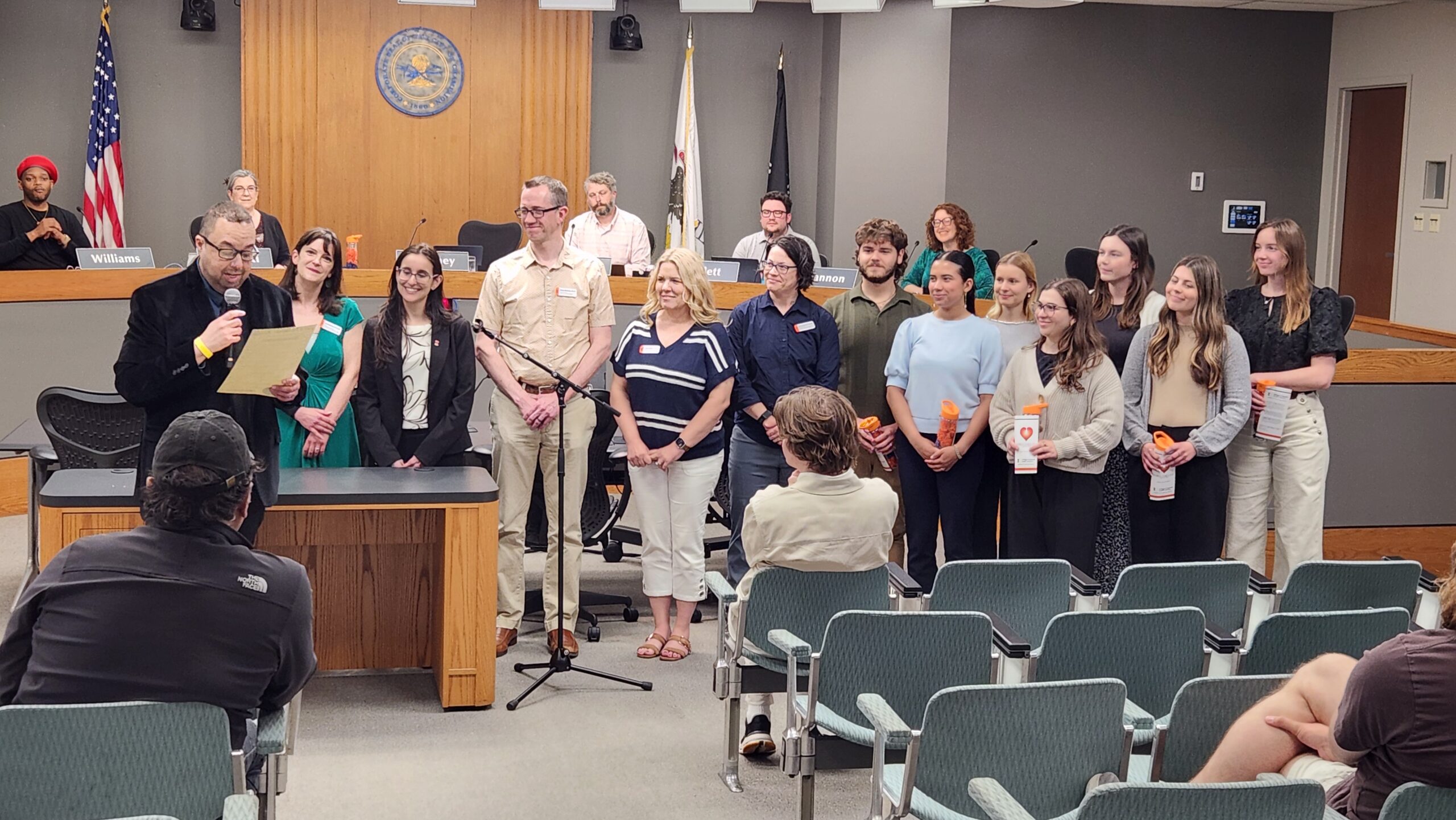
Champaign city council member Matt Gladney reads the World Voice Day proclamation for the city, with Speech and Hearing Science students and faculty in attendance. (Jeff Hamilton | City of Champaign)
  • On Tuesday, April 14, Champaign city council member Matthew Gladney read the World Voice Day proclamation in the city council chambers, with Speech and Hearing Science faculty and students present. 
  • On Thursday, April 16, at 11:15 a.m., Urbana city council member James Quisenberry will come to the Speech and Hearing Science building to proclaim World Voice Day for Urbana, with the whole department in attendance.

A wide range of professions rely on the voice—not just performers. Actors, singers and broadcasters may come to mind, but retail workers, healthcare providers and teachers also lean on their vocal ability and presence every day at work. 
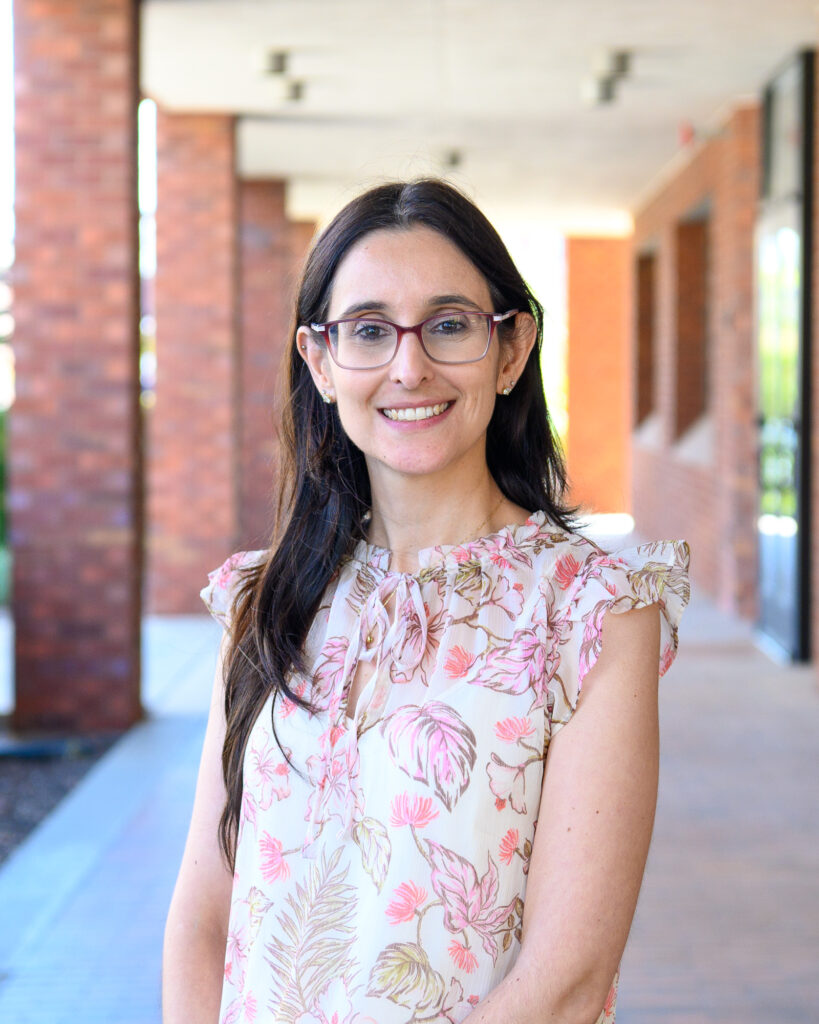
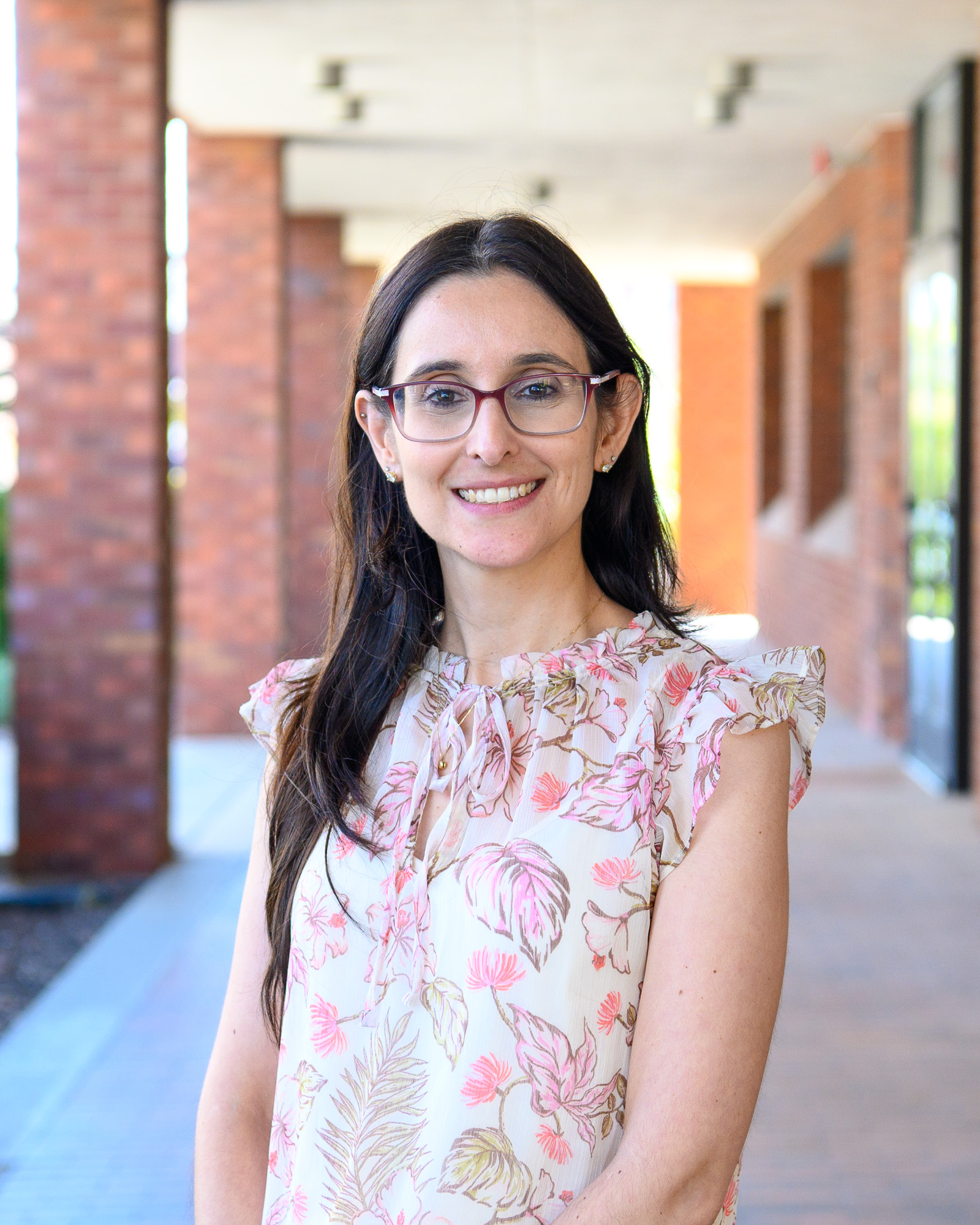
Mariana Mendes Bahia outside the Speech and Hearing Science Building. (Photo by Ethan Simmons | Applied Health Sciences)

And for reasons that aren’t fully understood, the rate of voice disorders appears to be rising in the United States, Mendes said. An estimated 17.9 million adults in the U.S. reportedly experienced a problem with their voice in the last year, according to the National Institute on Deafness and Other Communication Disorders.

“I think of individuals who may not realize the demands they place on their voice, and individuals experiencing voice disorders, for whom communication becomes effortful, limited or even distressing,” said Bahia, who researches swallowing disorders, clinically known as dysphagia.  

To Mendes, World Voice Day is an “extraordinary confluence of art and science,” exciting her students about anatomy and physiology, while showcasing an important part of the speech-language pathology vocation: outreach, education and illness prevention. 

“This day is a reminder that even if we studied and analyzed the voice 24/7, mysteries would still abound, and sometimes we can benefit from taking a pause and simply enjoy the wonder that is the human voice and its capacity for moving us through song or story,” Mendes said. “The Department of Speech and Hearing Science has a legacy of championing the human voice, and it’s incredible to share this with our students and the public.” 

Undergraduate and graduate students in Speech and Hearing Science helped develop educational materials for World Voice Day; explainers on how to protect the voice and when to seek medical attention.

“Our goal is for individuals to better understand how their voice works, recognize early signs of potential problems, and adopt simple habits to protect their voice,” Bahia said. “We also hope these events encourage people to seek care when needed and to view voice health as an important part of overall well-being.”

The Department of Speech and Hearing Science will celebrate “World Voice Day” on Thursday, April 16, at 11:15 a.m. at the Speech and Hearing Science Building.

Editor’s note:

To reach Mariana Mendes Bahia, email mmbahia@illinois.edu.
To reach Clarion Mendes, email cmendes2@illinois.edu.

 

Related news

Illinois Speech and Hearing Science at ASHA 2025

Assistant Professor Meaghan McKenna won the 2025 ASHA Early Career Contributions in Research Award. (Provided)

The American Speech-Language Hearing Association (ASHA) held the 2025 ASHA Convention from Nov. 20–22 in Washington, D.C.

Our Department of Speech and Hearing Science at Illinois was well-represented: several SHS faculty and graduate students were in attendance to accept awards and present seminars on their research and teaching contributions.

SHS faculty and students’ ASHA Awards

  • Assistant Professor Meaghan McKenna is being awarded the 2025 ASHA Early Career Contributions in Research Award
  • Ph.D. student Tracy Preza is being awarded an ASHFoundation Student Research Grant in Early Childhood Language Development
  • Ph.D. student Eliza Baby and mentor Professor Raksha Mudar are being awarded a Research Mentoring-Pair Travel Award
  • Ph.D. student Daniela Fanta Alarco is selected for the ASHA Student Leadership Program
  • M.A. student Raina Harpalani is being awarded an ASHFoundation Graduate Scholarship

SHS faculty and students’ talks

Thursday, Nov. 20

12:30 p.m.—Poster: “Examining the Effectiveness and Feasibility of a WebBased First Grade Writing Intervention”
McKenna, M.
Location: CC/Poster (Hall D); Screen #: 134

4:30 p.m.—Poster: “Measuring Functional Communication in Mild Cognitive Impairment”
Lydon, E., Wallace, N., Mudar, R.
Location: CC/Poster (Hall D); Screen #: 134

6 p.m.—One-hour seminar (Invited): “The Speech Accessibility Project: Reflections on Technological Innovation & Visions for Communication Empowerment”
Mendes, C.
Location: CC/151B (Lvl 1)

Friday, Nov. 21

8 a.m.—One-hour seminar: “Building on Legacy, Transforming Practice: Tools to Support SLP Engagement with Multi-Tiered Systems of Support”
Sylvan, L., McKenna, M., Ireland, M.
Location: CC/202A (Lvl 2)

11 a.m.—One-hour seminar: “Imitation and Lexical Overlap in Toddlers with Language Delays: Automated Coding and Sequential Analysis”
Harrington, E., Hadley, P.
Location: Marr/Independence Salon F/G/H (Mtg Lvl 4, LL)

1:30 p.m.—One-hour seminar (Invited): “Research Symposium on Hearing: The Utility of Extended High-Frequency Hearing and Assessment for Speech Communication”
Monson, B., Calandruccio, L.
Location: CC/151B (Lvl 1)

5:30 p.m.—Technical/Research Presentation: “Practice improvement in swallowing management: Using skill-based training in hospitalized post-stroke patients with dysphagia”
Bahia, M.M., Rogers, K., Carpenter, J., Cherney, L.R.
Location: Marr/Liberty Salon K (Mtg Lvl 4, LL)

Speech and Hearing Science faculty and students gathered at this year’s ASHA conference. (Provided)

Saturday, Nov. 22

11 a.m.—One-hour seminar: “Addressing Elementary Writing When Delivering Intervention: Preparing Young Children for Success in School and Life”
McKenna, M.
Location: CC/204B (Lvl 2)
** Designated as a Centennial Session!

AHS Faculty Q&A: Mariana Mendes Bahia on swallowing disorders and her research agenda


Mariana Mendes Bahia. (Photo by Ethan Simmons)
How was your first year at the Department of Speech and Hearing Science here at AHS?

Mariana: My first year was a period of growth and adaptation as I became familiar with the university and the Department of SHS. I have been fortunate to receive consistent support from colleagues and departmental staff, which greatly eased this transitional period and helped me navigate new academic and administrative environments.

This year was also dedicated to establishing my laboratory, the Neuro+Swallowing Research Lab, and laying the foundation for my future research program. Setting up the lab allowed me to plan my next steps, define research priorities, and begin shaping a trajectory that aligns with my long-term academic goals, while learning to adapt to the challenges and opportunities of a new institutional setting.

When did you first become interested in studying swallowing physiology and disorders, and why have you stuck with that topic in your research?

My initial interest in swallowing developed during my specialization in speech-language pathology in neurology, when I had the opportunity to conduct swallowing assessments and provide treatment for individuals with swallowing disorders, known as dysphagia, related to neurological diseases.

I was fascinated by the complexity of the swallowing process—something we do countless times a day without even thinking about it. What intrigued me most was how such an automatic act relies on the intricate coordination of more than 30 muscles (and many other structures), several nerves, and brain structures. The interaction among all the swallowing structures, along with the brain and breathing, felt like solving puzzles, and this challenge sparked my curiosity and passion for learning more about the mechanisms behind swallowing and how to best support patients with these difficulties.

As a clinically trained speech-language pathologist, I have observed the devastating impact of swallowing disorders on individuals and their families. This experience has motivated me to integrate my clinical expertise and research background in the investigation of swallowing physiology, particularly the interaction between brain-swallowing and breathing-swallowing, to advance rehabilitation approaches that enhance swallowing ability, improve patient care and enhance the quality of life for individuals with dysphagia and their families.

Bahia in her office at the Speech and Hearing Science building.
You’ve described dysphagia as an “invisible” disorder. For the folks you’ve worked with, how does dysphagia impact their quality of life?

Swallowing is a critical process for life. We need to eat and drink for adequate nutrition and hydration. However, we also eat and drink for pleasure and comfort. Eating is a highly social activity. Therefore, the impacts of swallowing disorders or dysphagia are not restricted to the physical health domain, such as inadequate food or liquid intake, resulting in malnutrition, dehydration, or unintended weight loss.

Individuals with dysphagia face psychological, emotional, and social impacts, including fear of eating, embarrassment, loss of enjoyment when they cannot eat or drink certain foods, and reduced social participation in cultural events or family gatherings where eating is central. The limited ability to share a meal may weaken family and community bonds.

Which therapeutic interventions can work for those living with dysphagia?

Therapeutic interventions for dysphagia aim to improve swallowing safety—preventing food or liquid from entering the airway—and efficiency: ensuring adequate passage of food from the mouth to the stomach. Importantly, interventions are tailored to individual needs and target specific impairments evident in each person. Interventions may include compensatory strategies, such as head adjustments and dietary modifications, to reduce the risk of airway invasion, as well as rehabilitative exercises to strengthen the swallowing muscles, improve the movement of swallowing structures, and enhance the coordination of the swallowing process. Additionally, rehabilitative exercises can be paired with other therapeutic modalities, such as neuromuscular electrical stimulation and brain stimulation.

Editor’s note:

To reach Mariana Mendes Bahia, email mmbahia@illinois.edu.
 

Related news

Department of Speech and Hearing Science
901 South Sixth Street
M/C 482
Champaign, IL 61820
217-333-2230