From the lab to the concert hall, virtual reality plays a growing role in acoustics studies


To simulate classrooms, performance halls and other indoor environments, the Speech Accommodation to Acoustics Lab uses virtual reality and “auralization” techniques in controlled settings. (Photo provided)

At the Speech Accommodation to Acoustics Lab, researchers are trying to solve a common problem for teachers and vocal performers. How can they be heard and understood without straining their voices? 

Pasquale Bottalico, associate professor of speech and hearing science, runs the Speech Accommodation to Acoustics Lab, which investigates the acoustical conditions of rooms—classes, restaurants and concert halls alike—that lend themselves to intelligible speech with minimal vocal effort from the speakers. 

Over the last 5 years, the lab’s research has steered toward virtual reality and auralization, a technique to replicate the sound conditions of different spaces, to simulate these indoor conditions and make their studies more applicable to real-life scenarios. Here, Bottalico expands on his SpAA Lab’s recent projects and VR experiments.

When did your lab begin using virtual reality? What compelled you about this type of technology for your area of research?

Our lab began working with virtual reality (VR) in 2020 as part of our broader research on how acoustic environments influence voice production and communication. In many traditional speech and voice studies, experiments are conducted in quiet laboratory settings that do not fully represent the complex environments people encounter in everyday life.

VR provides a powerful way to bridge that gap. It allows us to recreate realistic environments—such as classrooms, concert halls, or social settings—while still maintaining precise experimental control. For example, VR makes it possible to manipulate room acoustics, background noise and visual cues independently and observe how speakers adapt their voice. Research has shown that both auditory and visual environmental information can influence voice production and perception, highlighting the importance of studying communication in multisensory contexts rather than purely auditory ones.  

For virtual reality studies you’ve worked on, could you describe what these experiences look, feel, and sound like for participants?

Participants wear a virtual reality headset and headphones that immerse them in a simulated environment. For example, someone might find themselves standing in a classroom, a concert hall or a restaurant while speaking or singing. The visual environment allows them to look around the space, while spatialized audio reproduces how their voice would sound in that particular room.

This means participants hear realistic acoustic effects such as reverberation, reflections and background noise. Studies using these methods have shown that speakers and singers naturally adjust their vocal production depending on the acoustic properties of the environment, even when those environments are simulated.  

What equipment or tools do you use to simulate these experiences?

To create these simulations, we combine several technologies. 

Participants typically use a VR headset for the visual environment and high-quality headphones to deliver spatial audio that reproduces realistic room acoustics.

Behind the scenes, we use auralization techniques, which allow us to simulate how sound propagates in real spaces such as classrooms, concert halls or lecture halls. We use real measurements to simulate the acoustics of the environments, like a University of Illinois classroom, or venues at the Krannert Center for the Performing Arts. 

Microphones and acoustic analysis tools are also used to measure vocal parameters such as sound pressure level, pitch, and vocal effort while participants interact with the virtual environment.

Because virtual reality can replicate the sensory conditions of real communication environments, it may help improve the transfer of therapeutic strategies from the clinic to everyday life.

Pasquale Bottalico

Associate Professor Speech and Hearing Science

Tell us more about VR as a training or therapy tool. How might virtual reality benefit professional voice users and individuals with voice disorders?

VR has enormous potential as a training and therapy tool, especially for professional voice users such as teachers, singers and public speakers. These individuals often need to communicate in demanding environments for long periods of time, which can lead to vocal fatigue or voice disorders.

One challenge in voice therapy is that exercises performed in a quiet clinic may not transfer easily to real-life environments. VR can help address this problem by allowing people to practice communication in realistic scenarios—such as teaching in a noisy classroom or speaking in a crowded social setting—while still being in a safe and controlled therapeutic environment.

Because VR can replicate the sensory conditions of real communication environments, it may help improve the transfer of therapeutic strategies from the clinic to everyday life.

What are some examples of virtual reality studies you’ve performed? What did you learn?

Our lab has been exploring VR applications for voice and speech research through several projects and doctoral dissertations.

For example, the doctoral work of Charles Nudelman, Ph.D., supported by the Raymond H. Stetson Scholarship, examined how visual aspects of an environment—such as room size and occupancy—affect voice production using immersive virtual reality. His research demonstrated that visual characteristics of a room can influence acoustic voice parameters and self-perceived vocal fatigue and discomfort, highlighting the importance of visual cues in voice production.  

Similarly, the doctoral research of Ümit Daşdöğen (now at CSD University of Delaware), funded through an NIH R21 grant, investigated how auditory, visual and audiovisual sensory inputs influence voice perception and production in immersive VR environments. This work showed that multisensory factors can significantly affect vocal loudness, vocal effort, and acoustic voice parameters, helping establish a scientific foundation for the use of VR in voice training and therapy.  

Another related project is the doctoral research of Carly Wingfield at the Illinois School of Music in collaboration with Professor Yvonne Gonzales Redman, which was supported by the prestigious Kate Neal Kinley Fellowship. Her work explored the use of VR simulations to help singers rehearse in virtual replicas of performance venues. The results suggested that practicing in VR environments allowed singers to better adapt to the acoustics of the real performance space and feel more confident when performing in unfamiliar venues.  

We also currently have a new project underway in the lab focusing on virtual reality–based voice therapy and communication training. This study involves Giulia Fusari, a visiting scholar from the Politecnico di Milano, and Mariah Bates, a master’s student in Health Technology at the University of Illinois completing her capstone project with our lab.

The project is developing a human-centered VR platform designed to simulate realistic conversational environments, such as social interactions in restaurants or other everyday communication settings. Participants complete weekly sessions over several weeks, and we evaluate usability, communication effort, realism of the environment and overall user experience. The goal is to better understand how immersive environments can support communication training and voice therapy in ecologically valid contexts.

In future developments, these types of VR environments could also be adapted to support individuals with neurological conditions that affect speech and voice, such as Parkinson’s disease, where patients often struggle to generalize speech therapy skills from the clinic to real-world communication settings.

If there are studies open to participants, how can they reach out?

Individuals interested in participating in research studies in our lab can contact us directly at pb81@illinois.edu. We regularly recruit participants for studies involving speech perception, voice production and immersive communication environments.

Editor’s note:

To learn more about the Speech Accommodation to Acoustics Lab, visit their website.



Related news

Champaign-Urbana celebrates ‘World Voice Day’


Our vocal folds are roughly the length of our thumbnail, and yet they enable us to speak, sing, laugh and share our favorite stories.  

On April 16, the twin cities of Champaign and Urbana—home to the University of Illinois—will recognize World Voice Day, an international celebration of the human voice that shines a spotlight on vocal health. 

Behind the scenes, both proclamations were driven by clinicians and instructors at the Department of Speech and Hearing Science, based in the College of Applied Health Sciences.

“We wanted to bring World Voice Day to both Champaign and Urbana to raise awareness at the community level and emphasize that voice health is relevant to everyone, not just professionals or individuals already seeking care,” said Mariana Mendes Bahia, assistant professor of speech and hearing science. “Voice disorders can affect anyone in our community, and recognizing this day at the city level helps extend awareness beyond the clinic or classroom.” 

Bahia was inspired by the advocacy of Dysphonia International, an association that supports people with voice disorders. Clarion Mendes, clinical associate professor at SHS, encouraged her to get the day recognized locally. The Department of SHS and officials from both cities were fully supportive. 

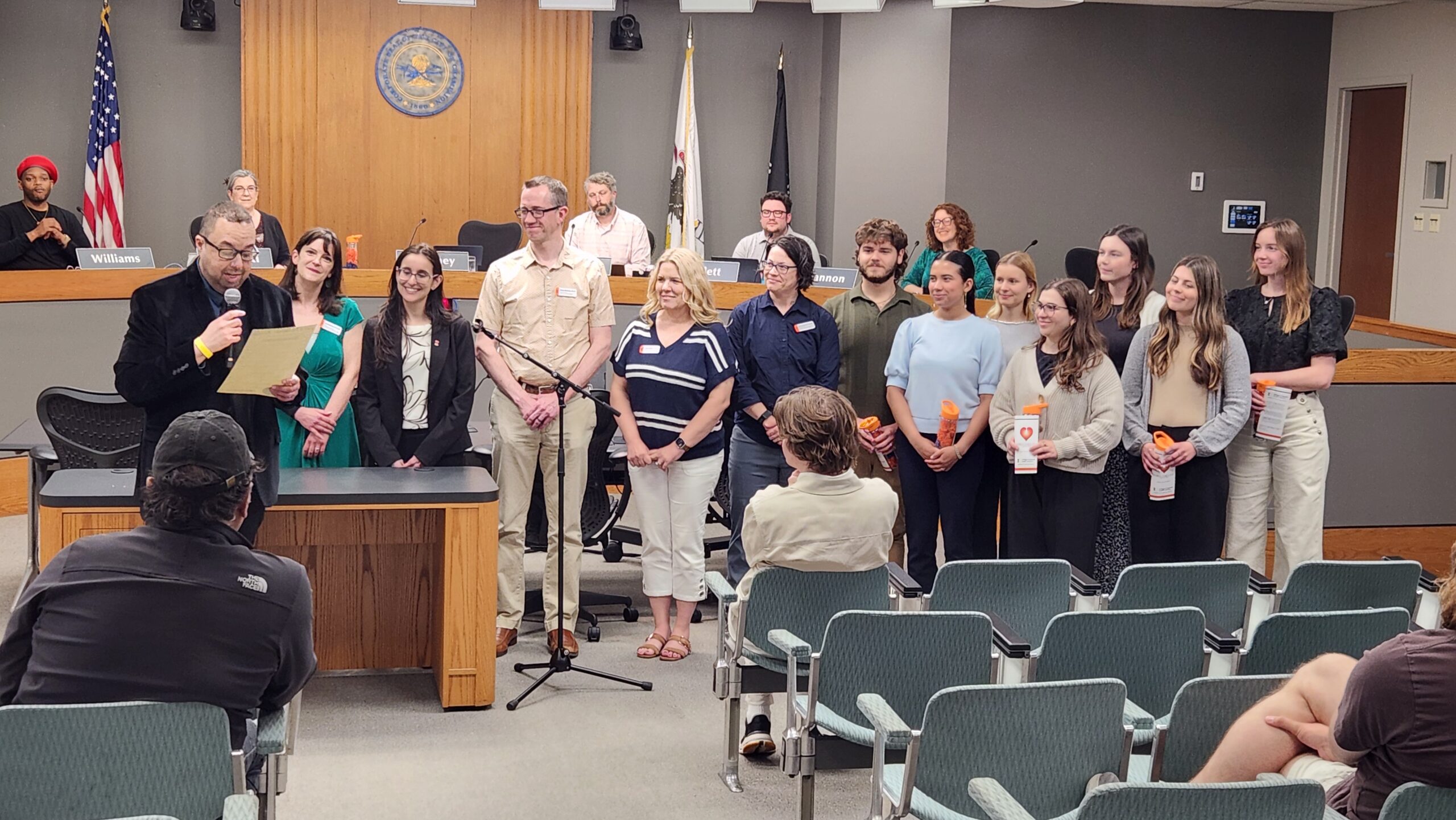
Champaign city council member Matt Gladney reads the World Voice Day proclamation for the city, with Speech and Hearing Science students and faculty in attendance. (Jeff Hamilton | City of Champaign)
  • On Tuesday, April 14, Champaign city council member Matthew Gladney read the World Voice Day proclamation in the city council chambers, with Speech and Hearing Science faculty and students present. 
  • On Thursday, April 16, at 11:15 a.m., Urbana city council member James Quisenberry will come to the Speech and Hearing Science building to proclaim World Voice Day for Urbana, with the whole department in attendance.

A wide range of professions rely on the voice—not just performers. Actors, singers and broadcasters may come to mind, but retail workers, healthcare providers and teachers also lean on their vocal ability and presence every day at work. 

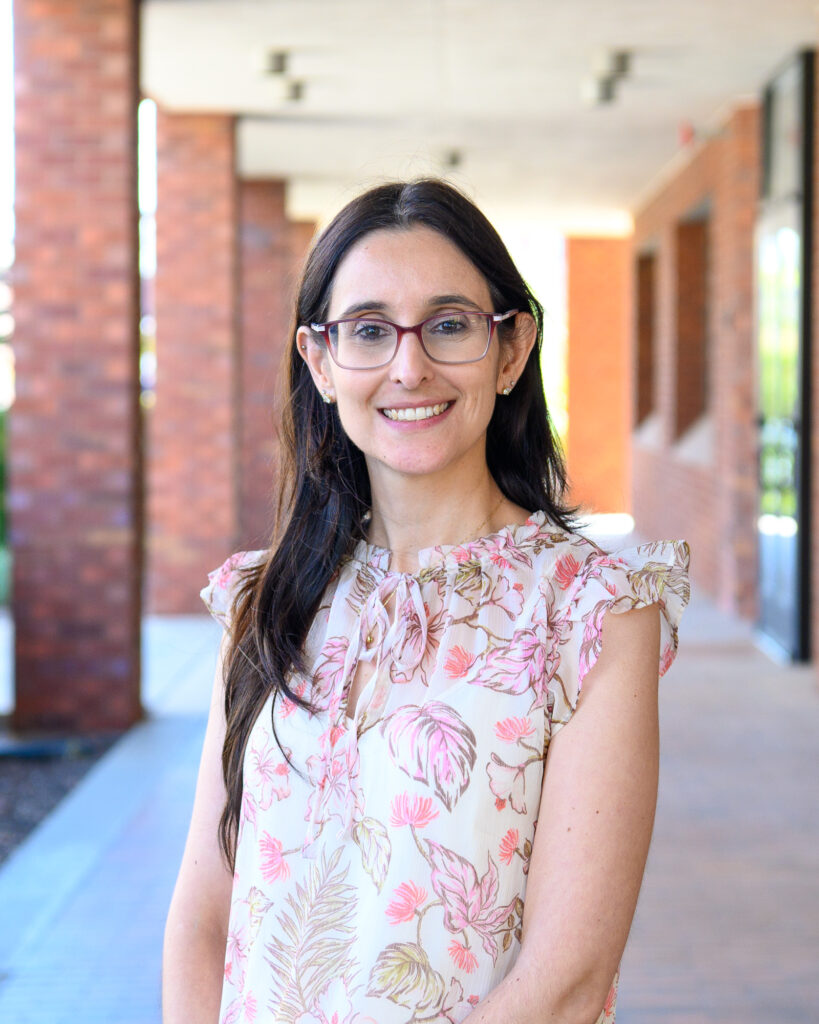
Mariana Mendes Bahia outside the Speech and Hearing Science Building. (Photo by Ethan Simmons | Applied Health Sciences)

And for reasons that aren’t fully understood, the rate of voice disorders appears to be rising in the United States, Mendes said. An estimated 17.9 million adults in the U.S. reportedly experienced a problem with their voice in the last year, according to the National Institute on Deafness and Other Communication Disorders.

“I think of individuals who may not realize the demands they place on their voice, and individuals experiencing voice disorders, for whom communication becomes effortful, limited or even distressing,” said Bahia, who researches swallowing disorders, clinically known as dysphagia.  

To Mendes, World Voice Day is an “extraordinary confluence of art and science,” exciting her students about anatomy and physiology, while showcasing an important part of the speech-language pathology vocation: outreach, education and illness prevention. 

“This day is a reminder that even if we studied and analyzed the voice 24/7, mysteries would still abound, and sometimes we can benefit from taking a pause and simply enjoy the wonder that is the human voice and its capacity for moving us through song or story,” Mendes said. “The Department of Speech and Hearing Science has a legacy of championing the human voice, and it’s incredible to share this with our students and the public.” 

Undergraduate and graduate students in Speech and Hearing Science helped develop educational materials for World Voice Day; explainers on how to protect the voice and when to seek medical attention.

“Our goal is for individuals to better understand how their voice works, recognize early signs of potential problems, and adopt simple habits to protect their voice,” Bahia said. “We also hope these events encourage people to seek care when needed and to view voice health as an important part of overall well-being.”

The Department of Speech and Hearing Science will celebrate “World Voice Day” on Thursday, April 16, at 11:15 a.m. at the Speech and Hearing Science Building.

Editor’s note:

To reach Mariana Mendes Bahia, email mmbahia@illinois.edu.
To reach Clarion Mendes, email cmendes2@illinois.edu.
 

Related news

Two AHS faculty members recognized for excellence in instruction


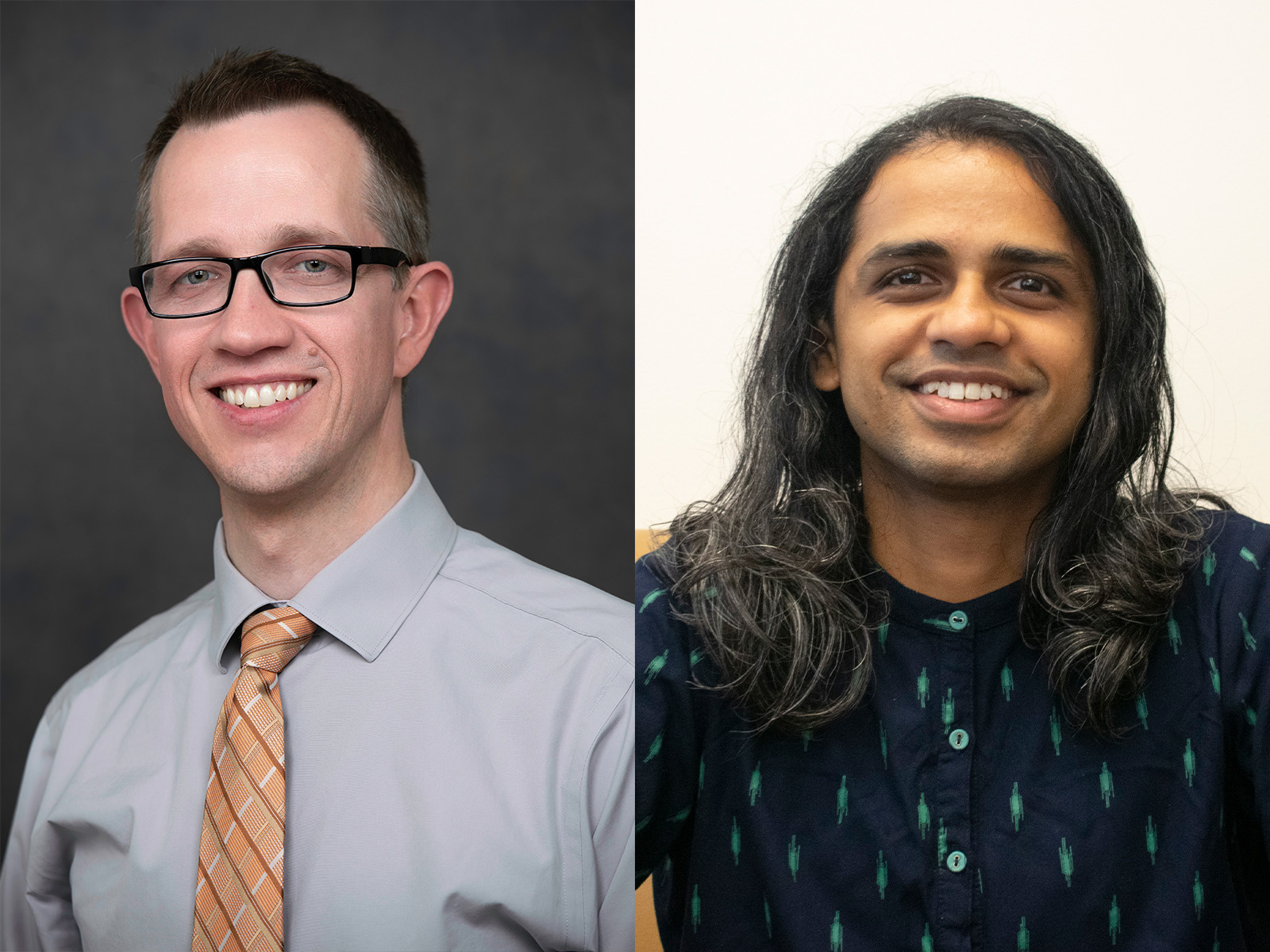
SHS Associate Professor Mary Flaherty (left) and HK Adjunct Instructor Christy Bazan were recognized for excellence in instruction.

Every year, the University of Illinois Office of the Provost recognizes faculty members for excellence in instruction, who are nominated by committees of faculty, staff and students at each college.

This year, two Applied Health Sciences faculty members won campus awards for their teaching and mentorship in the classroom: Speech and Hearing Science Associate Professor Mary Flaherty won for Excellence in Undergraduate Teaching, and Health and Kinesiology Adjunct Instructor Christy Bazan won for Excellence in Online Teaching.

Both instructors will be recognized at the university’s Celebration of Academic Excellence on Wednesday, March 25, at the Krannert Center for the Performing Arts.

On top of mentoring student researchers through her Child Speech Research Lab, Flaherty teaches undergraduate- and graduate-level courses in Speech and Hearing Science, such as SHS 358: Understanding Research Methods in Communications Sciences and Disorders and SHS 352: Hearing Health and Society, along with advanced SHS 552: Pediatric Audiology and SHS 570: Evidence-Based Practice for SLPs and AuDs.

Bazan, a licensed environmental health practitioner, teaches several community health-oriented classes in the college and Department of Health and Kinesiology, including AHS 199: Applied Data Solutions in Health Sciences, HK 204: Drug Use and Misuse—a subject she co-authored a book on—HK 207: Introduction to Epidemiology and HK 408: Environmental Health.

The College of Applied Health Sciences asked them about what this recognition means to them, and what they’d like to say to students past and present.

What does this recognition mean to you?

Bazan: I am honored and grateful to receive this online teaching award.  With support from AHS and my colleagues, many doors were opened to me that allowed me to grow in teaching in online environments.  From course redesign, Open Education development, video recoding lectures and developing online content, I have placed emphasis in my courses that shows how important it is to ensure students learn and have experiences just like they might when taking an in-person course.

Flaherty: This recognition means a great deal to me because my undergraduate teaching is centered on helping students learn how to evaluate information responsibly and use evidence thoughtfully in real-world decisions. Many students encounter an overwhelming amount of health and science information online, and a core goal of my teaching is to help them distinguish credible evidence from oversimplified or misleading claims. I aim to make research feel accessible and relevant, while also supporting students as individuals through structure, feedback, and mentorship. Being recognized for this work affirms the importance of teaching students not just what to learn, but how to think, question and apply evidence with care.

Anything you’d like to say to past and current students?

Bazan: My goal as an educator is to cultivate learners who are critical thinkers, empathetic communicators and lifelong learners. I want students to leave my courses not only with knowledge of content but with the confidence and tools to apply that knowledge ethically and creatively in their own lives and in their own communities. Keep learning, learn things in new ways, connect with your professor and your peers in your online classes and engage thoughtfully in an increasingly interconnected world.

Flaherty: This award belongs to my students. I love teaching, and I care deeply about undergraduates and their growth, both inside and outside the classroom. My students show up with curiosity, honesty and a willingness to engage deeply, and they continually remind me why this work matters. Their questions, perspectives and trust shape how I teach, and their commitment to learning pushes me to be a better instructor every year. I am grateful to every student who has shared their time, effort and openness with me. This recognition reflects what we have built together.

Editor’s note:

To reach Mary Flaherty, email maryflah@illinois.edu.
To reach Christy Bazan, email cbazan3@illinois.edu.
 

Related news

SHS researchers patent method to extract speech from noise using high frequencies


Associate Professor Brian Monson and Speech and Hearing Science Ph.D. student Rohit Ananthanarayana.

When we speak, the air moving through our vocal cords generates soundwaves vibrating at different frequencies: the higher the frequency, the higher the pitch. 

Most of our modern audio technology, including hearing aids, headphones, and phone conversations chop off the “top end” of these soundwaves to compress the information coming in while keeping speech understandable. 

But these extended high frequencies—8,000 Hz and above—contain important signals in the human voice, especially for comprehending speech in noisy environments. 

Two researchers in the Department of Speech and Hearing Science at the University of Illinois Urbana-Champaign, Associate Professor Brian Monson and doctoral student Rohit Ananthanarayana, have patented an algorithm to identify and extract speech signals from noise by using extended high-frequency information. 

The technique is novel, and with some investment, could be mapped onto existing modern hearing aids, earbuds and more. 

Where are these high frequencies useful? Picture a restaurant date where you’re trying to pay attention to your partner speaking on the other end of the table, and voices of other customers are bouncing all around you. 

“In those noisy settings in particular, that’s when these higher frequencies become valuable,” Monson said. “All the background noise masks out and interferes with those low frequencies, whereas these really high frequencies tend to stay pretty stable and unmasked, undegraded by the background noise.” 

Humans can hear frequencies vibrating from 20 Hz all the way up to 20,000 Hz. Most modern hearing aids capture frequencies up to 6,000 Hz, which covers most everyday sounds. Most clinical hearing tests don’t test subjects’ hearing above this range. 

Consonant sounds called “voiceless fricatives,” such as “s,” “sh,” “f” and “ph” sounds, contain energy above 8,000 Hz. Through grant-funded experiments, the researchers have shown the usefulness of these high-end frequencies—such as determining whether someone is facing you and speaking, or if they’re facing a different direction. 

In those noisy settings in particular, that’s when these higher frequencies become valuable.

Brian Monson

Associate Professor, Department of Speech and Hearing Science at Illinois

One experiment conducted by Monson and Ananthanarayana asked participants to listen to another person speaking, with and without the high-frequency range, and determine whether the speech was directed at them or not. 

“If you test listeners’ ability to perform this task, to determine whether someone’s looking at you or looking away, they do quite a bit better at that task if they have access to those really high frequencies,” Monson said.

While performing high-frequency research, the algorithm became an interesting side project to work on. The algorithm was developed to be retrofitted as well: the listening benefits could be implemented on existing tech with a firmware update. 

“We wanted to find some way to utilize the information in those extended high frequencies to enhance the target speech signal,” said Ananthanarayana, who began his Ph.D. at Illinois in 2021. “We identified a way that was novel but also feasible to try out with the resources and time that we had.” 

The patent itself was four years in the making; Monson filed the provisional patent in December 2021, and the two researchers used their backgrounds in electrical engineering to test, code and strengthen the algorithm further. 

To test its efficacy, they ran the algorithm on simulated speech recordings, where the “target talker” uttered short sentences in a noisy environment. The algorithm was judged for its ability to enhance the target signal’s clarity while suppressing background noise. 

Together with the Office of Technology Management, Ananthanarayana and Monson put together their patent application to safeguard their idea, which was awarded in October. 

“Ideally, someone would take interest in this—whether that’s us or someone else—and run with it to see if it’s implementable in hearing aid technology or other assistive listening device tech, like over-the-counter hearing aids, earbuds, headphones,” Monson said. “We think there’s potential there.”

Editor’s note:

The patent “Speech Identification and Extraction from Noise Using Extended High Frequency Information” was approved in October 2025. 

To reach Brian Monson, email monson@illinois.edu 
To reach Rohit Ananthanarayana, email rohitma2@illinois.edu
 

Related news

Doctor of Audiology (Au.D.) Program Phasedown


Our History in Audiology Training

The Doctor of Audiology (AuD) Program at the University of Illinois Urbana-Champaign is nationally recognized for its excellence in clinical training and academic leadership. For decades, our program has prepared future audiologists to meet the evolving demands of healthcare addressing hearing and balance, consistently earning top rankings among peer institutions. Our alumni and current students continue to shape the field—advancing research, leading clinical innovation, and improving patient outcomes.

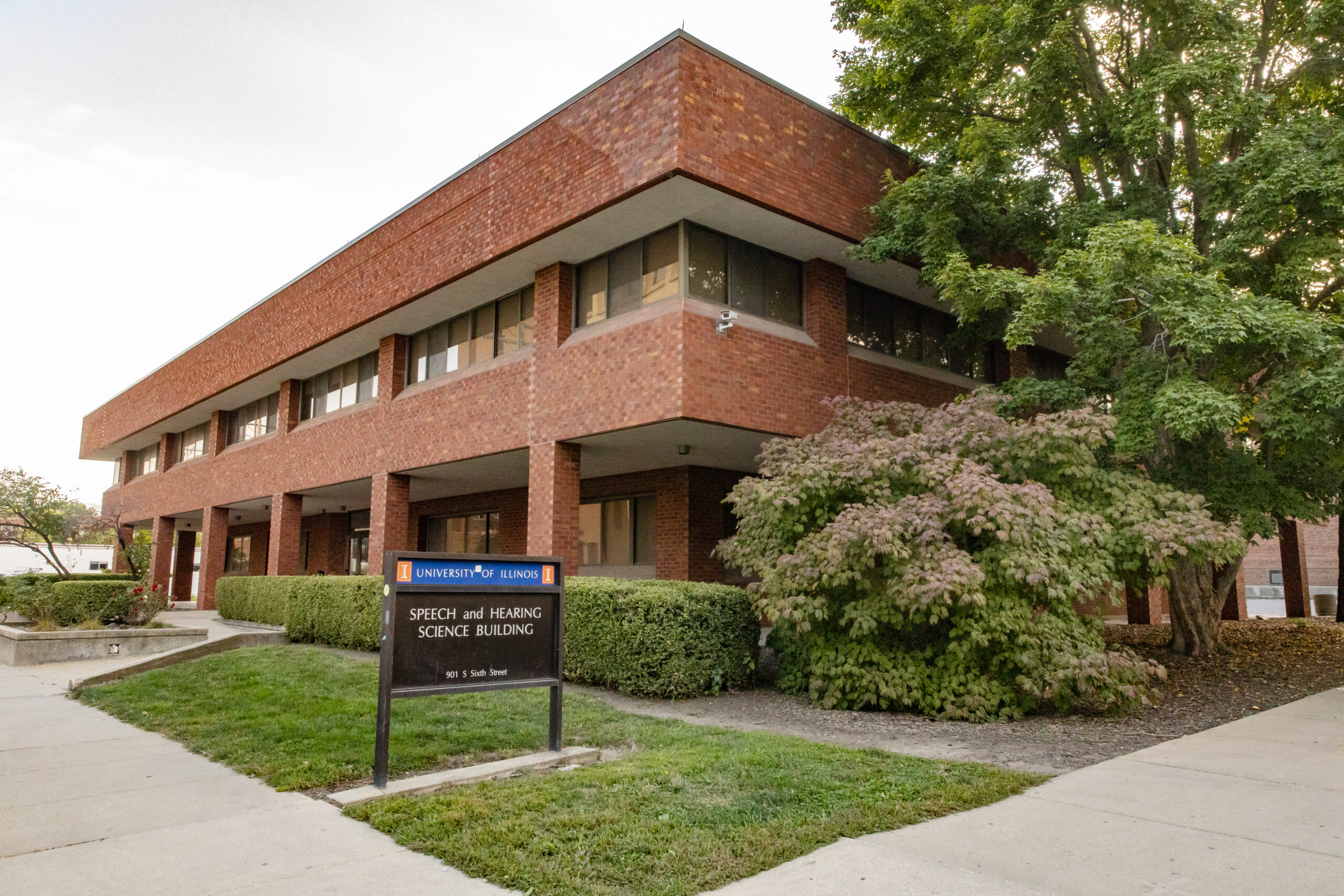
Speech and Hearing Science Building.

Today, the need for innovative models of hearing care is only increasing. With 48 million people in the United States and 477 million worldwide living with hearing loss, the demand for accessible, high-quality hearing care is growing rapidly. As a department, we are committed to supporting our students, alumni, partners, and community in addressing this global challenge.

Re-Envisioning Audiology Education at Illinois

Audiology education in general has experienced long-term challenges. Among these, a shortage of audiologists has contributed to a shortage of local clinical placement sites and clinical faculty, limiting the availability of supervised clinical training experiences. This is combined with limited applicants to our AuD program and competition from other AuD programs across the state and region. Over the past two years, the department engaged in a comprehensive review of the AuD program, assessed multiple models for long term sustainability, engaged in dialogue with statewide partners, and evaluated future trends in audiology education and clinical practice. As a forward-thinking department, we have decided to transition to new educational training models for supporting the future of hearing care.

After careful consideration, and with the best interests of our students, faculty, and the department in mind, we made the difficult decision to phase down the AuD program. As a result, we are no longer accepting applications to the AuD program.

A Continued Commitment to Hearing Health

We remain committed to educating future practitioners and leaders in hearing health. All currently enrolled AuD students will continue to receive full support from the faculty in meeting their educational and clinical requirements through the completion of their degrees. Our program continues to hold full accreditation status with the Council on Academic Accreditation in Audiology and Speech-Language Pathology (CAA). We are also designing new opportunities for students in our other degree programs to interface with our Audiology Clinic, collaborate with leaders in hearing science, and pursue interdisciplinary learning and innovation.

Our Audiology Clinic remains fully operational and continues to accept new patients and referrals without interruption. We are committed to serving the clinical needs of the university community and the public. Furthermore, we continue to pursue innovative models and partnerships as a leader in hearing throughout the state.

Designing the Future of Hearing Education and Research

Hearing science remains a core strength of our department, supported by a vibrant research community and ongoing investment in hearing innovation. Our faculty direct projects of national and international impact, to support children and adults across the lifespan with their hearing needs, and to improve clinical practice and technological solutions. With the growing influence of artificial intelligence, we are designing innovative undergraduate education opportunities that merge clinical practice with advancing computational methods, preparing students to thrive and lead in data-driven healthcare. We are building the future of hearing science and clinical practice, and we are training our PhD students to lead in this rapidly evolving field through our mentorship and interdisciplinary training.

We are deeply proud of our AuD program and the many accomplishments of our students, alumni, and faculty. We are also grateful for the valuable contributions of our adjunct faculty, emeriti faculty, and external clinical supervisors. We invite alumni, clinical partners, collaborators, and prospective students to join us in building the future of hearing science and advancing hearing care and education in Illinois and beyond.

Questions can be directed to Dr. Ian Mertes, the Director of the Audiology Program (imertes@illinois.edu).

Related News

Health study involves adults with Down syndrome ‘every step of the way’


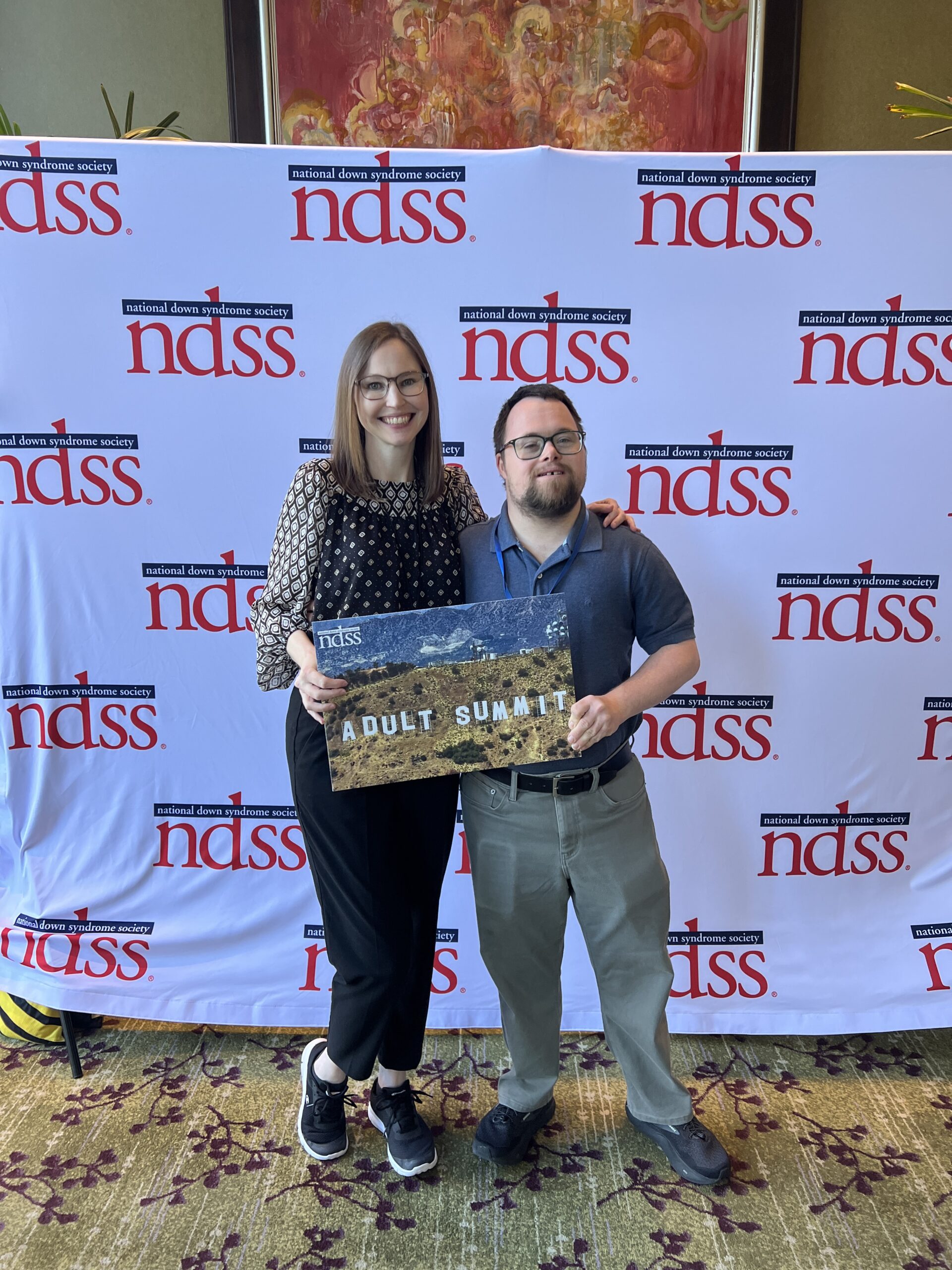
Marie Moore Channell and Joey Kane at the National Down Syndrome Society Adult Summit. (Provided)

The transition to adulthood can be a challenging phase for people with Down syndrome, as resources built to support them in their youth and in school begin to dry up.

Marie Moore Channell, associate professor of Speech and Hearing Science at the University of Illinois Urbana-Champaign, is the lead investigator on a new study funded by the National Institutes of Health, which will collect the direct perspectives of young adults with Down syndrome and develop community resources to support their social, mental and physical well-being.

Unlike any previous study on the topic, this one has a steering committee of adults with Down syndrome who’ve helped develop the direction of the study “every step of the way.”

“We realized that the research as a whole is missing that perspective from individuals with Down syndrome themselves,” Channell said. “It’s really a humbling experience as a researcher to take a step back and not say, ‘these are the topics missing in the literature.’ This time, we said, ‘you tell us.’”

Channell and her co-investigators, University of Nebraska-Lincoln’s Susan Loveall and Vanderbilt University’s Meghan Burke, have obtained a two-year, $446,096 grant from the National Institute of Child Health and Human Development for their study, titled “Developing and implementing community based participatory health research with young adults with Down syndrome.”

The research team will cast a wide net, conducting one-to-one Zoom interviews with adults with Down syndrome across the U.S. to better understand their health concerns, and how to best support them.

The study emerged from a separate survey the professors had sent out to caregivers of individuals with Down syndrome, which sought to identify the gaps in support that occur once they reached young adulthood. Adults with Down syndrome tend to live with a caregiver until age 50.

“Families tell us some version of the same thing, over and over: that the supports they were receiving when they were younger and in the schools, are taken away when they’re older,” Channell said.

They decided the topic warranted further investigation. But first, Channell and her team used their networks to form a steering committee with 12 young adults, all of whom have Down syndrome.

One of those steering committee members is Joey Kane, a 30-year-old from Seattle who met Channell at the National Down Syndrome Society Adult Summit a couple years ago. Channell described some of the participatory research she was interested in doing, and Joey was all ears.

“I like to help make a difference,” Kane said. “It’s giving my voice to be heard, and advocating not just for me, but for everyone else who has a disability.”

While the lead researchers have put the study in motion, the steering committee has met with them at least once a week over video calls, sometimes twice to accommodate members living in different time zones.

The health topics they’ve focused on, Channell said, have ranged from securing employment and community living, to improving physical health and self-advocacy skills.

All those priorities resonate with Kane. He lives in an apartment about a mile away from his parents’ house and has two jobs: he serves dinner at the cafeteria in a local nursing home and works the front desk at the Down Syndrome Center of Puget Sound, where he also helps teach in the center’s adult program.

Kane has enjoyed meeting the rest of the committee and learning about their perspectives on health topics. He credited Channell and the other study organizers for making sure everyone is represented.

“What’s really good about Marie and the people doing the study, is they can tell who hasn’t talked yet,” he said. “It makes me happy that everyone’s participating. If everyone participates, we’re going to have a good study.”

We realized that the research as a whole is missing that perspective from individuals with Down syndrome themselves.

Marie Moore Channell

Associate Professor, Speech and Hearing Science

Input from the steering committee has shaped the study in critical ways. For one, at the suggestion of the committee, the community resources will likely be geared for professionals who support individuals with Down syndrome, such as healthcare providers, case managers and job coaches.

The virtual interviews will be one-one-one video calls, rather than online surveys. Participants will be able to see questions ahead of time and bring pictures to illustrate their ideas.

“It is a technique we learned about in looking at the research, and that’s one the [steering committee] gravitated toward. It’s called ‘photovoice,’ and it’s been used in similar kinds of community participatory research methods,” Channell said.

The resources could take several forms, but what Channell knows for sure is she’ll be “working with this group every step of the way.” 

“I’ve never done this kind of work before, and it’s been a big learning curve, but really refreshing. Because it feels like we can make an impact a lot faster,” Channell said. “I still highly value the other kinds of research I’ve done, but this is something where it’s built into the project to implement into the community by the end.” 

The investigators will put together a “researcher’s toolkit,” compiling the successful practices and challenges of this participatory research. The team is currently hiring some of the steering committee members as co-researchers, who will be trained to help conduct the one-on-one interviews and take part in day-to-day research tasks.

“I’ve learned so much, and I see the value of connecting with the community, building a relationship and working with them before their research study is designed—not imposing your research questions on the community, we’re so used to doing that,” she said.

“It’s really challenging to change that, but I think it’s what we all should be doing more and more of as researchers.”

Editor’s note:

To reach Marie Channell, email channell@illinois.edu
Channell runs the Intellectual DisAbilities Communication Lab at Illinois. Visit their website.
 

Related news

AHS Faculty Q&A: Mariana Mendes Bahia on swallowing disorders and her research agenda


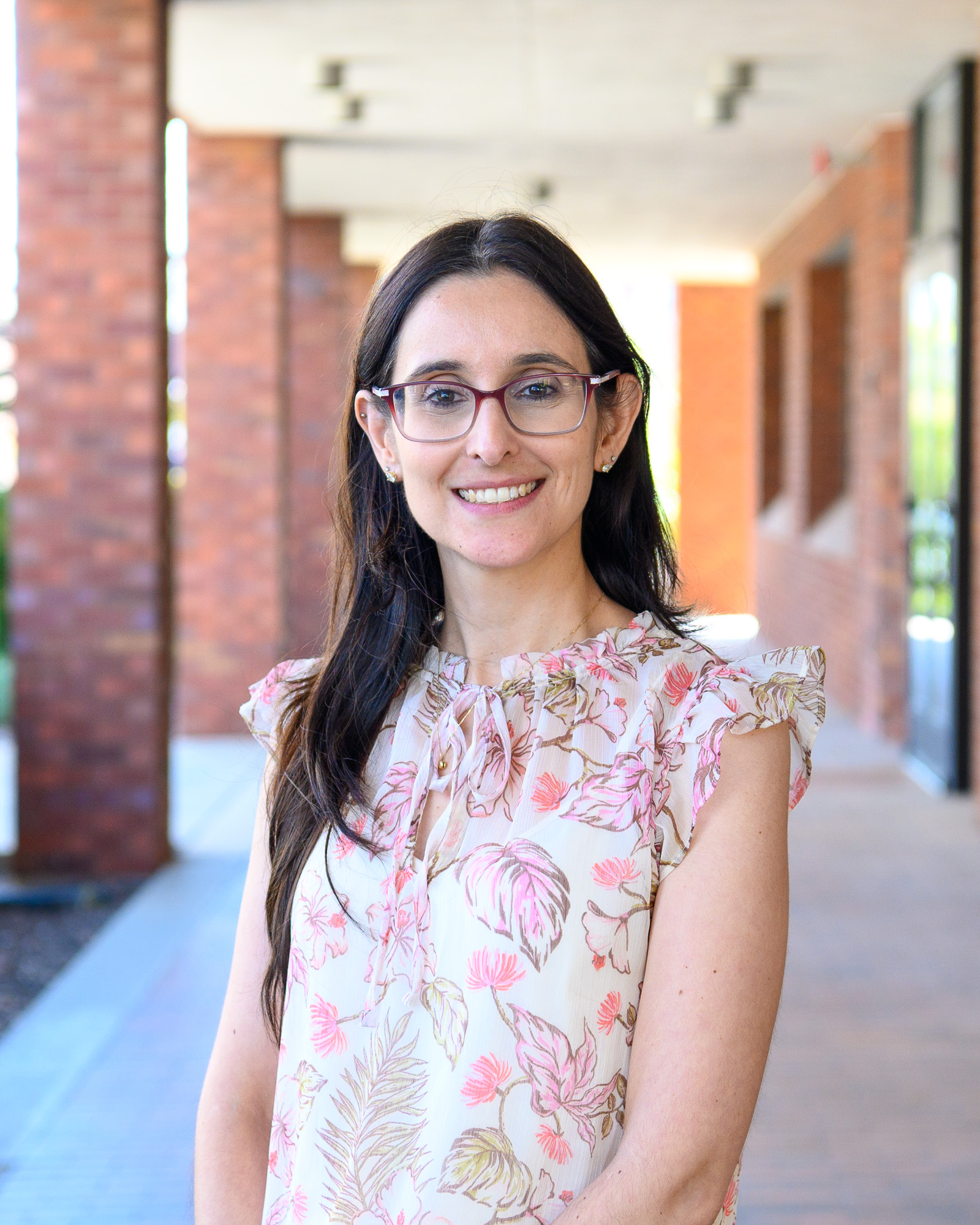
Mariana Mendes Bahia. (Photo by Ethan Simmons)
How was your first year at the Department of Speech and Hearing Science here at AHS?

Mariana: My first year was a period of growth and adaptation as I became familiar with the university and the Department of SHS. I have been fortunate to receive consistent support from colleagues and departmental staff, which greatly eased this transitional period and helped me navigate new academic and administrative environments.

This year was also dedicated to establishing my laboratory, the Neuro+Swallowing Research Lab, and laying the foundation for my future research program. Setting up the lab allowed me to plan my next steps, define research priorities, and begin shaping a trajectory that aligns with my long-term academic goals, while learning to adapt to the challenges and opportunities of a new institutional setting.

When did you first become interested in studying swallowing physiology and disorders, and why have you stuck with that topic in your research?

My initial interest in swallowing developed during my specialization in speech-language pathology in neurology, when I had the opportunity to conduct swallowing assessments and provide treatment for individuals with swallowing disorders, known as dysphagia, related to neurological diseases.

I was fascinated by the complexity of the swallowing process—something we do countless times a day without even thinking about it. What intrigued me most was how such an automatic act relies on the intricate coordination of more than 30 muscles (and many other structures), several nerves, and brain structures. The interaction among all the swallowing structures, along with the brain and breathing, felt like solving puzzles, and this challenge sparked my curiosity and passion for learning more about the mechanisms behind swallowing and how to best support patients with these difficulties.

As a clinically trained speech-language pathologist, I have observed the devastating impact of swallowing disorders on individuals and their families. This experience has motivated me to integrate my clinical expertise and research background in the investigation of swallowing physiology, particularly the interaction between brain-swallowing and breathing-swallowing, to advance rehabilitation approaches that enhance swallowing ability, improve patient care and enhance the quality of life for individuals with dysphagia and their families.

Bahia in her office at the Speech and Hearing Science building.
You’ve described dysphagia as an “invisible” disorder. For the folks you’ve worked with, how does dysphagia impact their quality of life?

Swallowing is a critical process for life. We need to eat and drink for adequate nutrition and hydration. However, we also eat and drink for pleasure and comfort. Eating is a highly social activity. Therefore, the impacts of swallowing disorders or dysphagia are not restricted to the physical health domain, such as inadequate food or liquid intake, resulting in malnutrition, dehydration, or unintended weight loss.

Individuals with dysphagia face psychological, emotional, and social impacts, including fear of eating, embarrassment, loss of enjoyment when they cannot eat or drink certain foods, and reduced social participation in cultural events or family gatherings where eating is central. The limited ability to share a meal may weaken family and community bonds.

Which therapeutic interventions can work for those living with dysphagia?

Therapeutic interventions for dysphagia aim to improve swallowing safety—preventing food or liquid from entering the airway—and efficiency: ensuring adequate passage of food from the mouth to the stomach. Importantly, interventions are tailored to individual needs and target specific impairments evident in each person. Interventions may include compensatory strategies, such as head adjustments and dietary modifications, to reduce the risk of airway invasion, as well as rehabilitative exercises to strengthen the swallowing muscles, improve the movement of swallowing structures, and enhance the coordination of the swallowing process. Additionally, rehabilitative exercises can be paired with other therapeutic modalities, such as neuromuscular electrical stimulation and brain stimulation.

Editor’s note:

To reach Mariana Mendes Bahia, email mmbahia@illinois.edu.
 

Related news

Georgia Malandraki named new head of the Department of Speech and Hearing Science


Georgia Malandraki earned her Ph.D. from the University of Illinois in 2008. (Photo provided)

The College of Applied Health Sciences at the University of Illinois Urbana-Champaign is pleased to announce the appointment of Dr. Georgia A. Malandraki as the new head of the Department of Speech and Hearing Science, effective January 2026. Dr. Malandraki brings with her an exceptional record of scholarly achievement, clinical innovation and academic leadership that will advance the department’s mission in education, research and service.

Dr. Malandraki succeeds Dr. Pamela Hadley as department head, who was appointed department head in 2020. Dr. Hadley will continue serving as the Charles and Kay Stenberg Endowed Professor in Disability Research.

“Since earning my Ph.D. in Speech and Hearing Science from Illinois in 2008, I have been fortunate to have a deeply fulfilling career—one that has been profoundly shaped by the training and mentorship I received during my doctoral years,” Malandraki said. “It is an incredible honor to return to my alma mater to serve as head of SHS. As I step into this role, I am beyond humbled and filled with excitement.

“I follow in the footsteps of professor and current head, Dr. Pamela Hadley, whose compassionate leadership and dedication have strengthened the department through growth and challenges, including during the pandemic. I first met Dr. Hadley during my final year as a doctoral student, and her warmth and generosity have left a lasting impression—one she has carried into her impactful tenure as head. I am deeply grateful for her example and the foundation that she, along with her distinguished predecessors, has built. As I take on this role, I do so with humility, gratitude, and a strong commitment to inclusive excellence, innovation, and collaboration. I look forward to working alongside the exceptional SHS faculty, students, and staff, and under the inspiring leadership of AHS Dean Cheryl Hanley-Maxwell, as we continue to advance impactful research, education, and service in the field of communication sciences and disorders at the University of Illinois Urbana-Champaign. Go Illini!”

Dr. Malandraki joins the University of Illinois from Purdue University, where she served as a professor in the Department of Speech, Language and Hearing Sciences, with a courtesy appointment in the Weldon School of Biomedical Engineering. At Purdue, she directed the I-EaT Swallowing Research Laboratory and Clinic and played a pivotal role in interdisciplinary research and education focused on the neural mechanisms of swallowing function.

Dr. Malandraki earned her Ph.D. at the University of Illinois in 2008 after earning her master’s at Ohio University and her undergraduate degree from the Technological Educational Institute of Patras, Greece.

An internationally recognized expert in dysphagia, Dr. Malandraki is a certified speech-language pathologist, a board-certified specialist in swallowing and swallowing disorders, and a Fellow of the American Speech-Language-Hearing Association (ASHA). Her groundbreaking work has focused on the development of neurophysiologically driven interventions and telehealth solutions to expand access to care for individuals with swallowing disorders, particularly in underserved populations.

Dr. Malandraki is a founding member of the Purdue CEREBBRAL Center and a faculty associate with the Purdue Center for Aging and the Life Course. Her contributions to the field have earned her numerous accolades, including the NIH NIBIB R21 Trailblazer Award in 2019, the Purdue Early Career Research Achievement Award, and the 2021 ASHA Fellowship. Her team also received the 2021 Editor’s Award from the Journal of Speech, Language, and Hearing Research (JSLHR), and she was honored with the 2022 Honors of the Indiana Speech-Language-Hearing Association.

In addition to her research accomplishments, Dr. Malandraki is widely respected for her commitment to excellence in teaching. Since joining Purdue in 2014, she has been recognized with eight departmental teaching awards and received the 2018 Patsy J. Mellott Teaching Innovation Award from Purdue’s College of Health and Human Sciences.

“We are thrilled to welcome Dr. Malandraki to the University of Illinois,” said Cheryl Hanley-Maxwell, dean of the College of Applied Health Sciences. “Her visionary leadership, collaborative spirit and unwavering dedication to advancing the science and practice of communication and swallowing disorders make her an ideal choice to lead our Department of Speech and Hearing Science into its next chapter.”

Editor’s note:

To reach Vince Lara-Cinisomo, email vinlara@illinois.edu.
 

Related news

Improving clinical practice and quality of life


Speech and Hearing Science Associate Professors Marie Moore Channell and Laura Mattie have long been interested in the development of communication and life skills in individuals with neurodevelopmental and intellectual disabilities.

Channell directs the Intellectual DisAbilities Communication Lab, where her research team works toward a comprehensive understanding of skills that support day-to-day communication for people with Down syndrome in order to identify and develop strategies for supporting their social and academic success. In Mattie’s Development in Neurogenetic Disabilities Lab, research addresses the early development of individuals with Down syndrome and fragile X syndrome. She, too, aims toward promoting the developmental success and well-being of people with these neurogenetic disabilities.

The scholars’ shared interests have led to fruitful collaborations in the past. They led a team of researchers who used a large, national database developed by the Down Syndrome Cognition Project to characterize variability in IQ, executive functioning, adaptive and challenging behavior, and autism symptomatology among individuals with Down syndrome.

In a paper titled “Capturing cognitive and behavioral variability among individuals with Down syndrome: a latent profile analysis,” published in the Journal of Neurodevelopmental Disorders (2021, 13:16), Channell, Mattie and their co-authors describe three latent classes, or subtypes, of people with Down syndrome that emerged from their analyses.

Those in the “normative” group showed a profile of cognition and behavior that is typically represented in the literature on Down syndrome. Those in the “cognitive” group had lower cognitive scores and adaptive behaviors such as self-care and daily living skills than their peers with Down syndrome, along with high rates of autism symptoms.

Those in the “behavioral” group showed cognitive scores and adaptive behaviors similar to their peers with Down syndrome but had high rates of autism symptoms and challenging behaviors such as hyperactivity and conduct problems. Thus, with a large enough sample size, different patterns of autism symptoms and other characteristics can be seen across individuals with Down syndrome. The ultimate goal in precisely characterizing individual variability within Down syndrome is to optimize daily living through targeted treatments and interventions.

Overcoming diagnostic hurdles

Channell and Mattie currently are collaborating as principal and co-principal investigators on a study funded by the National Institutes of Health INCLUDE Project, which supports research related to the health and quality of life of individuals with Down syndrome. Working with researchers at Emory University, Johns Hopkins University and the Kennedy Krieger Institute, their study seeks to increase understanding of the co-occurrence of autism with Down syndrome to improve its diagnosis and treatment.

“There is a stereotype of people with Down syndrome as happy, social people who can’t have autism,” Channell said. “It’s more common than previously thought, but underdiagnosed.”

Interventions and therapies that people with autism receive could be a beneficial add-on to services offered to individuals with Down syndrome. Part of the problem in diagnosing autism in this population is that autism screening tools that were developed for the general population need to be adapted. To work toward the goal of developing better tools to screen for autism in people with Down syndrome, Channell, Mattie and their collaborators are conducting a nationwide survey of caregivers of youth with Down syndrome in which they are completing existing screening tools and other developmental questionnaires. The researchers will then examine and adapt the screening tools as needed so they can be used by practitioners to determine whom to refer for a full autism evaluation.

They are casting a wide net in hopes not only of representing all the varying abilities within Down syndrome, but also of including groups that are not well represented in the existing research.

“Underrepresentation is a big problem in research related to Down syndrome,” Mattie said. “We have a diverse board of stakeholders, are building relationships with the Black Down Syndrome Association, and targeting rural and Hispanic families as well.”

The questionnaires and other screening tools completed by caregivers are just one element of an autism diagnosis. There also is an in-person evaluation component, which is conducted by either developmental behavioral pediatricians or clinical psychologists who are specifically trained in autism diagnostics and assessment, as well as neuropsychological methods. The difficulty with this aspect of diagnosis is two-fold, Mattie said.

“First, the number of developmental behavioral pediatricians and clinical psychologists with this specialized training is limited, so there’s a bottleneck,” she said. “Also, while they may have expertise in autism, they don’t necessarily know about Down syndrome. So the ability to identify a true co-occurring condition is really lacking.”

Channell and Mattie may be conducting the first large-scale study using the broad screening measures doctors and clinicians give to families when autism is first suspected. Theirs may also be the first study that will explore the use of telehealth to conduct diagnostic evaluations of autism in children with Down syndrome.

“If we can figure out how to make that work, we can increase access to evaluations by specialists,” Channell said. They are working with a clinician at Kennedy Krieger, Natasha Ludwig, who will conduct the evaluations of autism in the telehealth sessions, and with Amy Cohen, director of the University of Illinois Autism Clinic, who will review and “score” the evaluations as well to ensure that evaluation tools will lead to consistent results when used by different clinicians.

With the dual focus on developing effective autism screening and diagnostic tools for individuals with Down syndrome and increasing access to specialists who are skilled in both autism and intellectual disability, Channell and Mattie intend to make a significant and lasting impact on improving the quality of life of a population that has historically been underdiagnosed and underserved. That’s good news for the individuals themselves and their caregivers, as well as the scores of clinicians who dedicate their professional lives to providing the best services possible to their clients.

Related news

Department of Speech and Hearing Science
901 South Sixth Street
M/C 482
Champaign, IL 61820
217-333-2230