From the lab to the concert hall, virtual reality plays a growing role in acoustics studies


To simulate classrooms, performance halls and other indoor environments, the Speech Accommodation to Acoustics Lab uses virtual reality and “auralization” techniques in controlled settings. (Photo provided)

At the Speech Accommodation to Acoustics Lab, researchers are trying to solve a common problem for teachers and vocal performers. How can they be heard and understood without straining their voices? 

Pasquale Bottalico, associate professor of speech and hearing science, runs the Speech Accommodation to Acoustics Lab, which investigates the acoustical conditions of rooms—classes, restaurants and concert halls alike—that lend themselves to intelligible speech with minimal vocal effort from the speakers. 

Over the last 5 years, the lab’s research has steered toward virtual reality and auralization, a technique to replicate the sound conditions of different spaces, to simulate these indoor conditions and make their studies more applicable to real-life scenarios. Here, Bottalico expands on his SpAA Lab’s recent projects and VR experiments.

When did your lab begin using virtual reality? What compelled you about this type of technology for your area of research?

Our lab began working with virtual reality (VR) in 2020 as part of our broader research on how acoustic environments influence voice production and communication. In many traditional speech and voice studies, experiments are conducted in quiet laboratory settings that do not fully represent the complex environments people encounter in everyday life.

VR provides a powerful way to bridge that gap. It allows us to recreate realistic environments—such as classrooms, concert halls, or social settings—while still maintaining precise experimental control. For example, VR makes it possible to manipulate room acoustics, background noise and visual cues independently and observe how speakers adapt their voice. Research has shown that both auditory and visual environmental information can influence voice production and perception, highlighting the importance of studying communication in multisensory contexts rather than purely auditory ones.  

For virtual reality studies you’ve worked on, could you describe what these experiences look, feel, and sound like for participants?

Participants wear a virtual reality headset and headphones that immerse them in a simulated environment. For example, someone might find themselves standing in a classroom, a concert hall or a restaurant while speaking or singing. The visual environment allows them to look around the space, while spatialized audio reproduces how their voice would sound in that particular room.

This means participants hear realistic acoustic effects such as reverberation, reflections and background noise. Studies using these methods have shown that speakers and singers naturally adjust their vocal production depending on the acoustic properties of the environment, even when those environments are simulated.  

What equipment or tools do you use to simulate these experiences?

To create these simulations, we combine several technologies. 

Participants typically use a VR headset for the visual environment and high-quality headphones to deliver spatial audio that reproduces realistic room acoustics.

Behind the scenes, we use auralization techniques, which allow us to simulate how sound propagates in real spaces such as classrooms, concert halls or lecture halls. We use real measurements to simulate the acoustics of the environments, like a University of Illinois classroom, or venues at the Krannert Center for the Performing Arts. 

Microphones and acoustic analysis tools are also used to measure vocal parameters such as sound pressure level, pitch, and vocal effort while participants interact with the virtual environment.

Because virtual reality can replicate the sensory conditions of real communication environments, it may help improve the transfer of therapeutic strategies from the clinic to everyday life.

Pasquale Bottalico

Associate Professor Speech and Hearing Science

Tell us more about VR as a training or therapy tool. How might virtual reality benefit professional voice users and individuals with voice disorders?

VR has enormous potential as a training and therapy tool, especially for professional voice users such as teachers, singers and public speakers. These individuals often need to communicate in demanding environments for long periods of time, which can lead to vocal fatigue or voice disorders.

One challenge in voice therapy is that exercises performed in a quiet clinic may not transfer easily to real-life environments. VR can help address this problem by allowing people to practice communication in realistic scenarios—such as teaching in a noisy classroom or speaking in a crowded social setting—while still being in a safe and controlled therapeutic environment.

Because VR can replicate the sensory conditions of real communication environments, it may help improve the transfer of therapeutic strategies from the clinic to everyday life.

What are some examples of virtual reality studies you’ve performed? What did you learn?

Our lab has been exploring VR applications for voice and speech research through several projects and doctoral dissertations.

For example, the doctoral work of Charles Nudelman, Ph.D., supported by the Raymond H. Stetson Scholarship, examined how visual aspects of an environment—such as room size and occupancy—affect voice production using immersive virtual reality. His research demonstrated that visual characteristics of a room can influence acoustic voice parameters and self-perceived vocal fatigue and discomfort, highlighting the importance of visual cues in voice production.  

Similarly, the doctoral research of Ümit Daşdöğen (now at CSD University of Delaware), funded through an NIH R21 grant, investigated how auditory, visual and audiovisual sensory inputs influence voice perception and production in immersive VR environments. This work showed that multisensory factors can significantly affect vocal loudness, vocal effort, and acoustic voice parameters, helping establish a scientific foundation for the use of VR in voice training and therapy.  

Another related project is the doctoral research of Carly Wingfield at the Illinois School of Music in collaboration with Professor Yvonne Gonzales Redman, which was supported by the prestigious Kate Neal Kinley Fellowship. Her work explored the use of VR simulations to help singers rehearse in virtual replicas of performance venues. The results suggested that practicing in VR environments allowed singers to better adapt to the acoustics of the real performance space and feel more confident when performing in unfamiliar venues.  

We also currently have a new project underway in the lab focusing on virtual reality–based voice therapy and communication training. This study involves Giulia Fusari, a visiting scholar from the Politecnico di Milano, and Mariah Bates, a master’s student in Health Technology at the University of Illinois completing her capstone project with our lab.

The project is developing a human-centered VR platform designed to simulate realistic conversational environments, such as social interactions in restaurants or other everyday communication settings. Participants complete weekly sessions over several weeks, and we evaluate usability, communication effort, realism of the environment and overall user experience. The goal is to better understand how immersive environments can support communication training and voice therapy in ecologically valid contexts.

In future developments, these types of VR environments could also be adapted to support individuals with neurological conditions that affect speech and voice, such as Parkinson’s disease, where patients often struggle to generalize speech therapy skills from the clinic to real-world communication settings.

If there are studies open to participants, how can they reach out?

Individuals interested in participating in research studies in our lab can contact us directly at pb81@illinois.edu. We regularly recruit participants for studies involving speech perception, voice production and immersive communication environments.

Editor’s note:

To learn more about the Speech Accommodation to Acoustics Lab, visit their website.



Related news

Health study involves adults with Down syndrome ‘every step of the way’


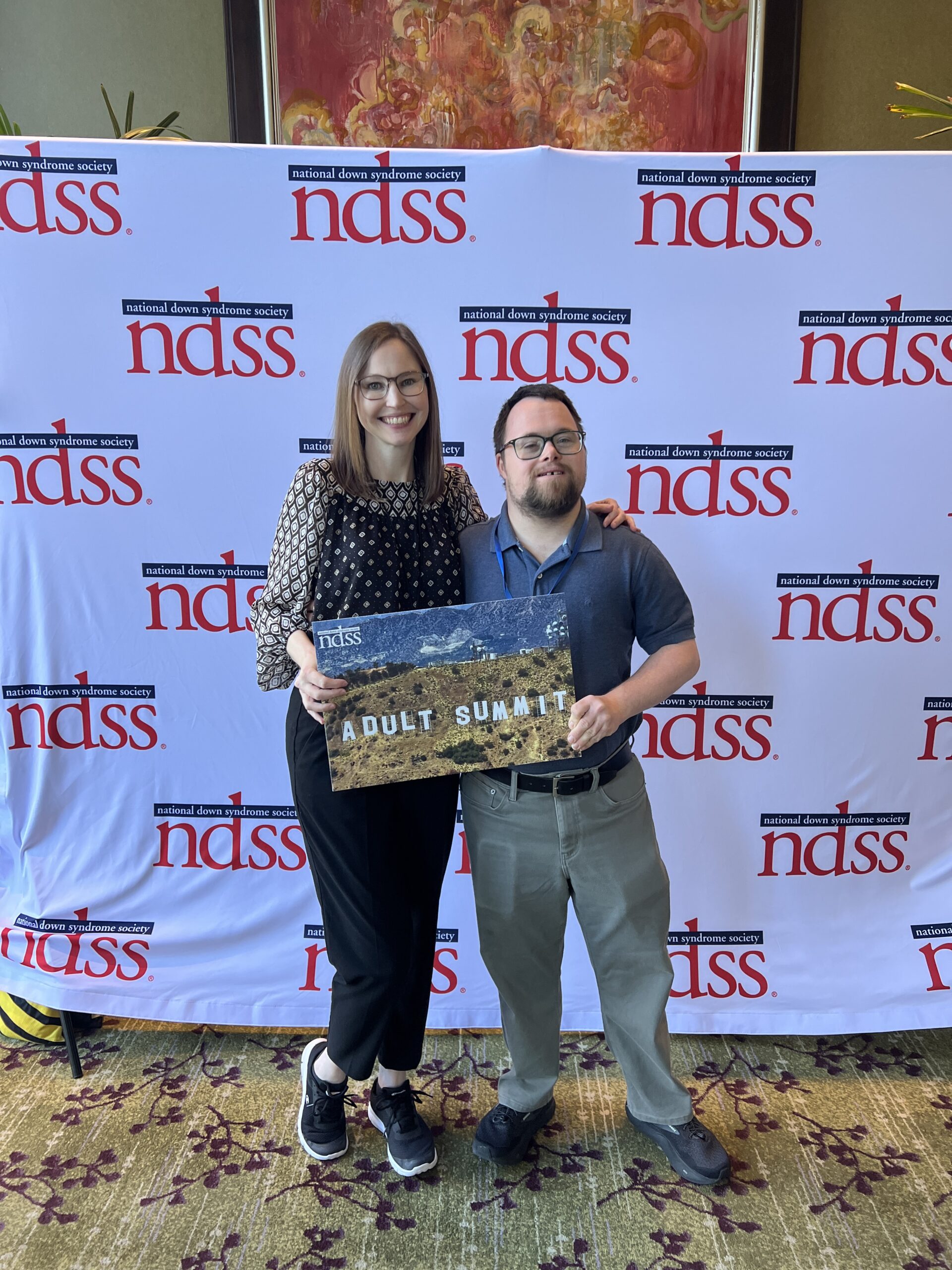
Marie Moore Channell and Joey Kane at the National Down Syndrome Society Adult Summit. (Provided)

The transition to adulthood can be a challenging phase for people with Down syndrome, as resources built to support them in their youth and in school begin to dry up.

Marie Moore Channell, associate professor of Speech and Hearing Science at the University of Illinois Urbana-Champaign, is the lead investigator on a new study funded by the National Institutes of Health, which will collect the direct perspectives of young adults with Down syndrome and develop community resources to support their social, mental and physical well-being.

Unlike any previous study on the topic, this one has a steering committee of adults with Down syndrome who’ve helped develop the direction of the study “every step of the way.”

“We realized that the research as a whole is missing that perspective from individuals with Down syndrome themselves,” Channell said. “It’s really a humbling experience as a researcher to take a step back and not say, ‘these are the topics missing in the literature.’ This time, we said, ‘you tell us.’”

Channell and her co-investigators, University of Nebraska-Lincoln’s Susan Loveall and Vanderbilt University’s Meghan Burke, have obtained a two-year, $446,096 grant from the National Institute of Child Health and Human Development for their study, titled “Developing and implementing community based participatory health research with young adults with Down syndrome.”

The research team will cast a wide net, conducting one-to-one Zoom interviews with adults with Down syndrome across the U.S. to better understand their health concerns, and how to best support them.

The study emerged from a separate survey the professors had sent out to caregivers of individuals with Down syndrome, which sought to identify the gaps in support that occur once they reached young adulthood. Adults with Down syndrome tend to live with a caregiver until age 50.

“Families tell us some version of the same thing, over and over: that the supports they were receiving when they were younger and in the schools, are taken away when they’re older,” Channell said.

They decided the topic warranted further investigation. But first, Channell and her team used their networks to form a steering committee with 12 young adults, all of whom have Down syndrome.

One of those steering committee members is Joey Kane, a 30-year-old from Seattle who met Channell at the National Down Syndrome Society Adult Summit a couple years ago. Channell described some of the participatory research she was interested in doing, and Joey was all ears.

“I like to help make a difference,” Kane said. “It’s giving my voice to be heard, and advocating not just for me, but for everyone else who has a disability.”

While the lead researchers have put the study in motion, the steering committee has met with them at least once a week over video calls, sometimes twice to accommodate members living in different time zones.

The health topics they’ve focused on, Channell said, have ranged from securing employment and community living, to improving physical health and self-advocacy skills.

All those priorities resonate with Kane. He lives in an apartment about a mile away from his parents’ house and has two jobs: he serves dinner at the cafeteria in a local nursing home and works the front desk at the Down Syndrome Center of Puget Sound, where he also helps teach in the center’s adult program.

Kane has enjoyed meeting the rest of the committee and learning about their perspectives on health topics. He credited Channell and the other study organizers for making sure everyone is represented.

“What’s really good about Marie and the people doing the study, is they can tell who hasn’t talked yet,” he said. “It makes me happy that everyone’s participating. If everyone participates, we’re going to have a good study.”

We realized that the research as a whole is missing that perspective from individuals with Down syndrome themselves.

Marie Moore Channell

Associate Professor, Speech and Hearing Science

Input from the steering committee has shaped the study in critical ways. For one, at the suggestion of the committee, the community resources will likely be geared for professionals who support individuals with Down syndrome, such as healthcare providers, case managers and job coaches.

The virtual interviews will be one-one-one video calls, rather than online surveys. Participants will be able to see questions ahead of time and bring pictures to illustrate their ideas.

“It is a technique we learned about in looking at the research, and that’s one the [steering committee] gravitated toward. It’s called ‘photovoice,’ and it’s been used in similar kinds of community participatory research methods,” Channell said.

The resources could take several forms, but what Channell knows for sure is she’ll be “working with this group every step of the way.” 

“I’ve never done this kind of work before, and it’s been a big learning curve, but really refreshing. Because it feels like we can make an impact a lot faster,” Channell said. “I still highly value the other kinds of research I’ve done, but this is something where it’s built into the project to implement into the community by the end.” 

The investigators will put together a “researcher’s toolkit,” compiling the successful practices and challenges of this participatory research. The team is currently hiring some of the steering committee members as co-researchers, who will be trained to help conduct the one-on-one interviews and take part in day-to-day research tasks.

“I’ve learned so much, and I see the value of connecting with the community, building a relationship and working with them before their research study is designed—not imposing your research questions on the community, we’re so used to doing that,” she said.

“It’s really challenging to change that, but I think it’s what we all should be doing more and more of as researchers.”

Editor’s note:

To reach Marie Channell, email channell@illinois.edu
Channell runs the Intellectual DisAbilities Communication Lab at Illinois. Visit their website.
 

Related news

AHS Faculty Q&A: Mariana Mendes Bahia on swallowing disorders and her research agenda


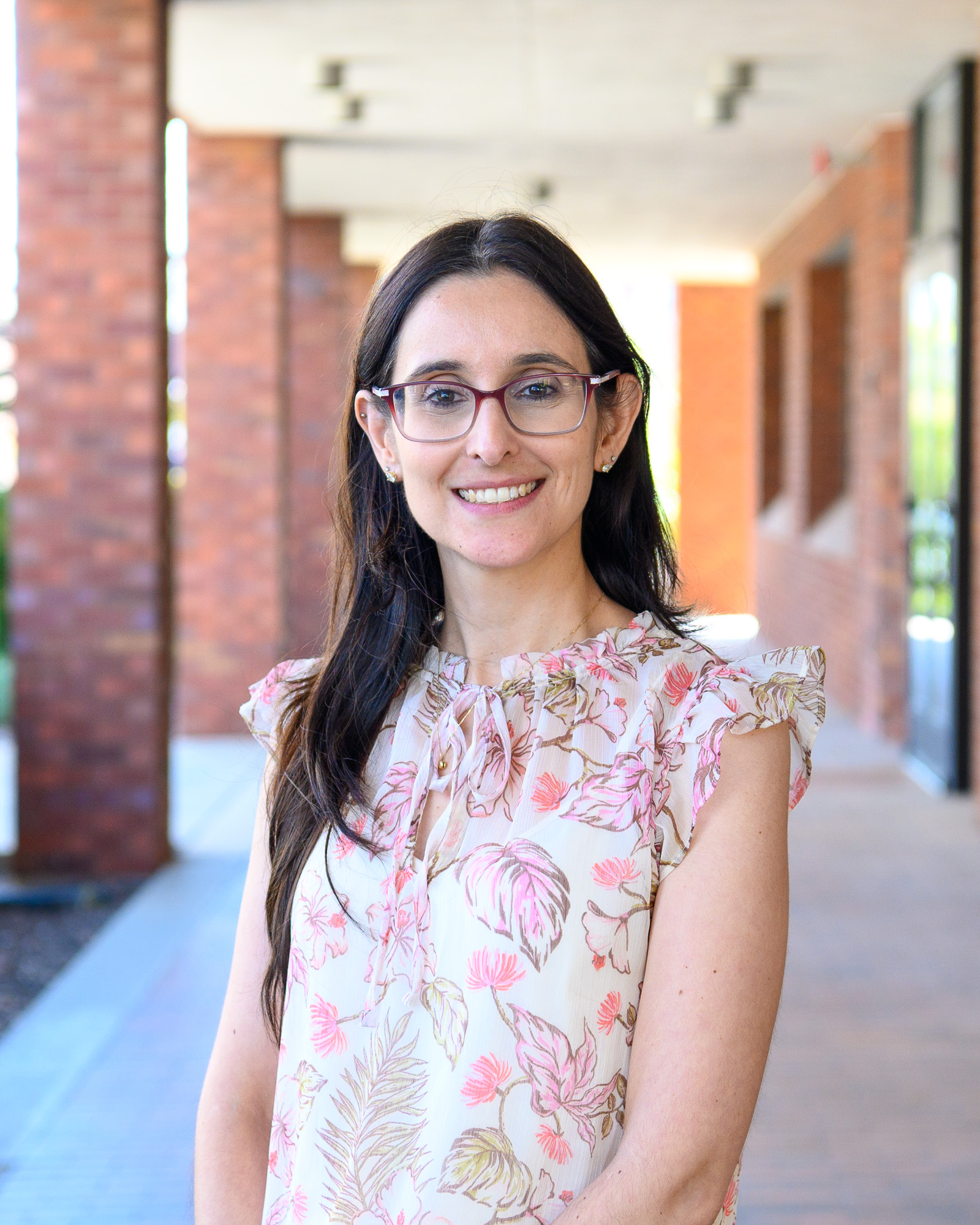
Mariana Mendes Bahia. (Photo by Ethan Simmons)
How was your first year at the Department of Speech and Hearing Science here at AHS?

Mariana: My first year was a period of growth and adaptation as I became familiar with the university and the Department of SHS. I have been fortunate to receive consistent support from colleagues and departmental staff, which greatly eased this transitional period and helped me navigate new academic and administrative environments.

This year was also dedicated to establishing my laboratory, the Neuro+Swallowing Research Lab, and laying the foundation for my future research program. Setting up the lab allowed me to plan my next steps, define research priorities, and begin shaping a trajectory that aligns with my long-term academic goals, while learning to adapt to the challenges and opportunities of a new institutional setting.

When did you first become interested in studying swallowing physiology and disorders, and why have you stuck with that topic in your research?

My initial interest in swallowing developed during my specialization in speech-language pathology in neurology, when I had the opportunity to conduct swallowing assessments and provide treatment for individuals with swallowing disorders, known as dysphagia, related to neurological diseases.

I was fascinated by the complexity of the swallowing process—something we do countless times a day without even thinking about it. What intrigued me most was how such an automatic act relies on the intricate coordination of more than 30 muscles (and many other structures), several nerves, and brain structures. The interaction among all the swallowing structures, along with the brain and breathing, felt like solving puzzles, and this challenge sparked my curiosity and passion for learning more about the mechanisms behind swallowing and how to best support patients with these difficulties.

As a clinically trained speech-language pathologist, I have observed the devastating impact of swallowing disorders on individuals and their families. This experience has motivated me to integrate my clinical expertise and research background in the investigation of swallowing physiology, particularly the interaction between brain-swallowing and breathing-swallowing, to advance rehabilitation approaches that enhance swallowing ability, improve patient care and enhance the quality of life for individuals with dysphagia and their families.

Bahia in her office at the Speech and Hearing Science building.
You’ve described dysphagia as an “invisible” disorder. For the folks you’ve worked with, how does dysphagia impact their quality of life?

Swallowing is a critical process for life. We need to eat and drink for adequate nutrition and hydration. However, we also eat and drink for pleasure and comfort. Eating is a highly social activity. Therefore, the impacts of swallowing disorders or dysphagia are not restricted to the physical health domain, such as inadequate food or liquid intake, resulting in malnutrition, dehydration, or unintended weight loss.

Individuals with dysphagia face psychological, emotional, and social impacts, including fear of eating, embarrassment, loss of enjoyment when they cannot eat or drink certain foods, and reduced social participation in cultural events or family gatherings where eating is central. The limited ability to share a meal may weaken family and community bonds.

Which therapeutic interventions can work for those living with dysphagia?

Therapeutic interventions for dysphagia aim to improve swallowing safety—preventing food or liquid from entering the airway—and efficiency: ensuring adequate passage of food from the mouth to the stomach. Importantly, interventions are tailored to individual needs and target specific impairments evident in each person. Interventions may include compensatory strategies, such as head adjustments and dietary modifications, to reduce the risk of airway invasion, as well as rehabilitative exercises to strengthen the swallowing muscles, improve the movement of swallowing structures, and enhance the coordination of the swallowing process. Additionally, rehabilitative exercises can be paired with other therapeutic modalities, such as neuromuscular electrical stimulation and brain stimulation.

Editor’s note:

To reach Mariana Mendes Bahia, email mmbahia@illinois.edu.
 

Related news

SHS researchers bridge research and real life


Laura Mattie, left, and Meaghan McKenna exemplify how SHS researchers connect to community (Photo by Ethan Simmons)

The work at the College of Applied Health Sciences doesn’t stay in the lab—it transforms lives. Faculty such as Meaghan McKenna and Laura Mattie exemplify the college’s commitment to bridging research with community impact. Whether developing interventions for literacy in schools or building relationships with families of children with disabilities, they show how academic insights can create tangible benefits.

Mattie joined the faculty in the Department of Speech and Hearing Science in 2015. Now an associate professor, she has spent the past nine years working on research with her colleagues in SHS as the principal investigator in the Development in Neurogenetic Disabilities Lab. She said her time spent at the department has led to close relationships, both personal and professional.

“The interdisciplinary nature of the department, the university and the college really has helped me to build more collaborations, and I think that’s one of the key things to being successful in my field,” Mattie said. “Some of my collaborators are my closest friends.”

Mattie’s fall semester class, titled Children with Neurodevelopmental Disorders Across Communication Contexts, covers the development of social and communication skills in children with various neurodevelopmental disorders that her research is focused on as well. Her current research, which primarily concerns children with fragile X syndrome and Down syndrome involves longitudinal studies that require a level of personal connection with families of children partaking in her studies. 

For Mattie, being a new mom to two young girls has offered a fresh perspective on her research.

“As we’re getting closer to the end of the project and thinking of what to do next, the mom in me led to the thought, ‘How do we get information to moms and clinicians quicker?”’

Mattie said building relationships with families really allowed researchers to value their thoughts and experiences.

“I want to partner with families and clinicians—and we found this evidence that we think is helpful—but how can we package the information so they can use it every day; how can we really make it accessible for them, and instead of getting it to them in 10-15 years (the current research-to-practice gap), get it back to them quicker?”

McKenna isn’t just one of the most recent additions to the SHS as an assistant professor. She also has years of experience as a speech-language pathologist and a passion for connecting with districts, schools and educational professionals about solving problems of practice corresponding to literacy and multi-tiered systems of support.

“Forming partnerships and relationships is the most important thing I do,” she said.

Working in SHS is a position that is far from stationary: McKenna’s work pulls her across not only campus, but into surrounding cities and school districts where she aims to narrow the gap between research and practice. She currently partners with her colleague Amber Ray in the Department of Special Education and Holy Cross School in Champaign on writing intervention research. 

McKenna has also joined three other schools and districts who connected with her about their mutual interest in solving problems of practice corresponding to writing. In Danville, she is collaborating with the curriculum department and classroom teachers as K-2 instructional guides are created that highlight daily writing activities aligned with the core curriculum and evidence-based practices. In Blue Ridge, Illinois, professional development sessions that address writing instructional priorities identified by classroom teachers are held monthly. In Chicago, a Pre-K-8 school formed an instructional leadership team committed to vertical alignment of how the writing process (cycle) is taught and student writing is evaluated.

“I think it’s important for us to bridge what we’re doing in research and think about how it translates into practice,” she said. “I don’t think it’s productive to be in a research lab all day or writing papers if it doesn’t have any impact on the community or individuals who are going to be applying the findings. The opportunity to co-learn with schools and districts across the state (who are) committed to prioritizing writing has been the highlight of my second year in Illinois.”

Editor’s note:

To reach Vince Lara-Cinisomo, email vinlara@illinois.edu.
 

Related news

Department of Speech and Hearing Science
901 South Sixth Street
M/C 482
Champaign, IL 61820
217-333-2230