Meet Jerri and Lesli, our newest American Sign Language instructors


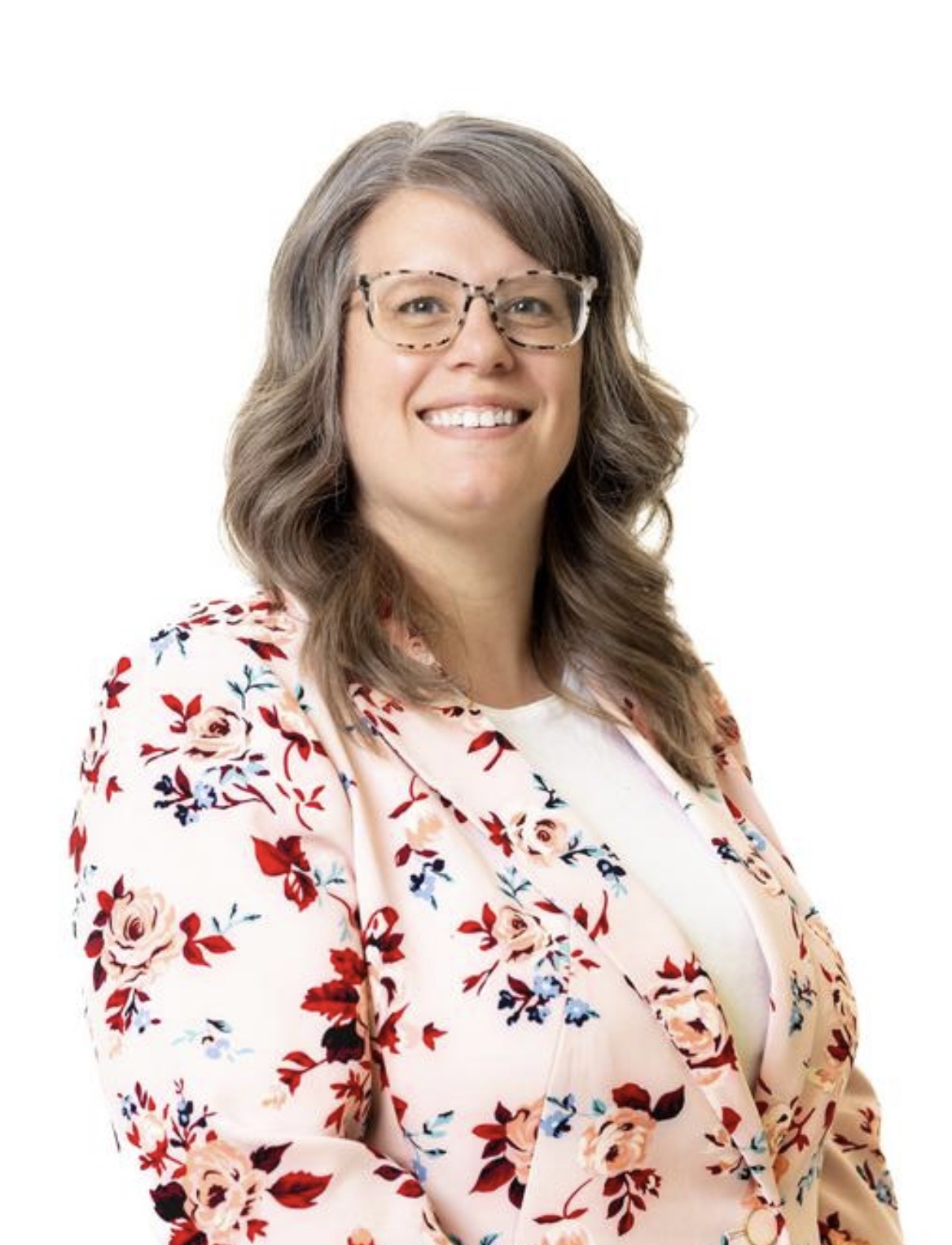
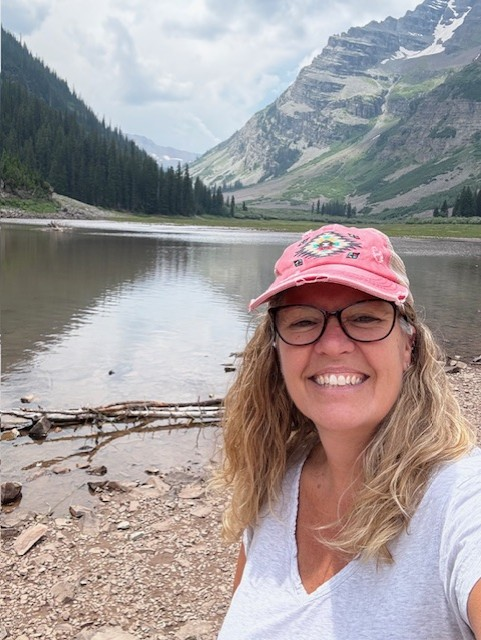
Lesli Williams (Provided)
Which classes are you teaching this year?

Jerri: I’m teaching two ASL III (SHS 321) courses and re-designing SHS 222: Language & Culture of Deaf Communities.

Lesli: This year, I’m teaching SHS 121: American Sign Language I, SHS 221: American Sign Language II and SHS 321: American Sign Language III.

Why did you want to become an ASL Instructor for the U. of I.? What attracted you to the role?

Jerri: It’s a great opportunity to teach at U. of I., which has a well-known and highly respected team in the U.S. I come from a Deaf family and love sharing my authentic background.

Lesli: I was drawn to the position because of its commitment to inclusive education and strong support for language and cultural diversity. The opportunity to teach ASL at a university level allows me to share the richness of Deaf culture with a broader audience and help bridge communication between Deaf and hearing communities.

Tell us about your life and career experience. How did you become an instructor of American Sign Language, and where has that taken you so far?

Jerri: I began teaching ASL in 2014 at George Washington University in Washington, D.C.
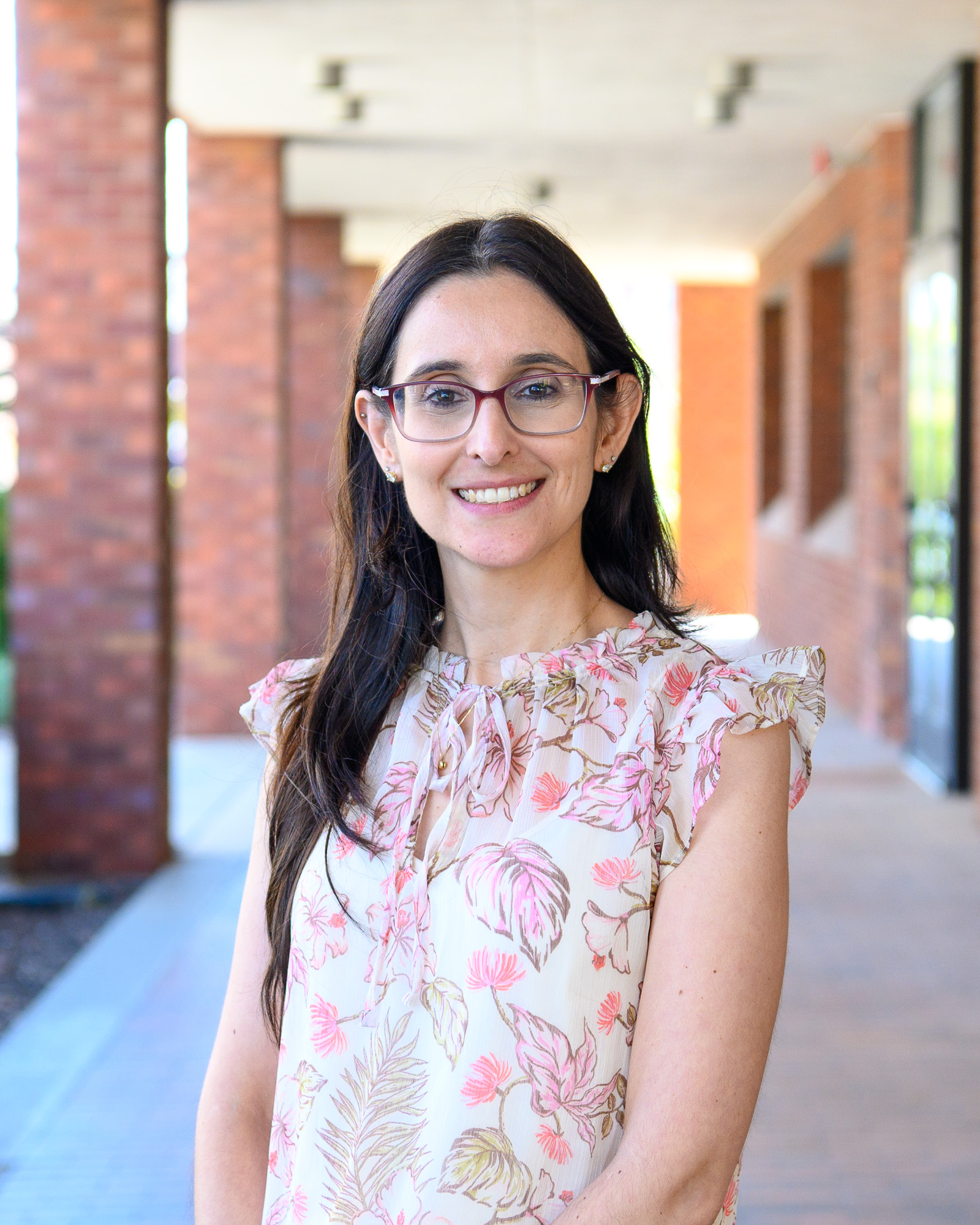
Jerri Seremeth (Provided)

Lesli: My journey with ASL started at the age of 2, I learned from a Deaf Mentor, Bob Laughna, self-taught books and old VHS signing videos, and learned signs from the Deaf Community. I grew up in only-mainstream education with no Deaf programs in my elementary, middle and high school. I graduated from Negaunee High School in 2005. I graduated from Northern Michigan University with associate’s degree in cosmetology, which I worked in salons for 15 years.

Over time, I developed a deep appreciation not just for the language, but for the culture and history of the Deaf community. After finishing up my cosmetology journey, I pursued a bachelor’s degree in Deaf Studies from Gallaudet University in 2015 and Masters in Adult Education and Training, specializing in Technology from University of Phoenix in 2017.  I eventually began teaching in 2017 at my alma mater Northern Michigan University while pursing my master’s with University of Phoenix at the same time.

Since then, I’ve taught in various settings—Northern Michigan University, where I did face-to-face and online teaching from 2017 to 2025, and Columbia College, where I taught online for the last two years, and I just started my new teaching career here at University of Illinois, Urbana-Champaign this semester —and have loved seeing students grow in both skill and cultural understanding.

If you had to choose, what is the most rewarding part of being an ASL instructor for you?

Jerri: The most rewarding part is being able to teach my language and culture, giving students exposure that helps them understand us better.

Lesli: One of the most rewarding parts of teaching ASL is witnessing students make meaningful connections—not just linguistically, but culturally. When students begin to understand Deaf culture and the importance of visual language, it opens their eyes to a whole new way of experiencing communication.

For those who haven’t taken any ASL classes, or those who aren’t familiar with the Deaf community, what do you think they would find the most surprising about American Sign Language or how it’s taught?

Jerri: They might be surprised by how important facial expressions are—they make up about 70% of our language.

Lesli: Many people are surprised to learn that ASL is a complete and complex language with its own grammar and syntax completely separate from English. They’re also often surprised by how interactive and visual ASL classes are—learning through movement, facial expressions, and storytelling is very different from traditional classroom learning.

Is there anything else you’d like folks in the department to know about you?

Jerri: My husband and I have eight children together. Our youngest is an exchange student from Africa, and all of our children are Deaf. Also, hiking is my favorite escape!

Lesli: I’m passionate about creating inclusive and engaging spaces for all learners. I also love collaborating with others in the department and beyond to promote awareness of Deaf culture and language. Outside the classroom, I enjoy walking, hiking, camping, playing with my beautiful daughters—ages 6, 5 and 2 years old—and attending Deaf events and traveling, which often feed back into my teaching. 

Related news

Doctor of Audiology (Au.D.) Program Phasedown


Our History in Audiology Training

The Doctor of Audiology (AuD) Program at the University of Illinois Urbana-Champaign is nationally recognized for its excellence in clinical training and academic leadership. For decades, our program has prepared future audiologists to meet the evolving demands of healthcare addressing hearing and balance, consistently earning top rankings among peer institutions. Our alumni and current students continue to shape the field—advancing research, leading clinical innovation, and improving patient outcomes.

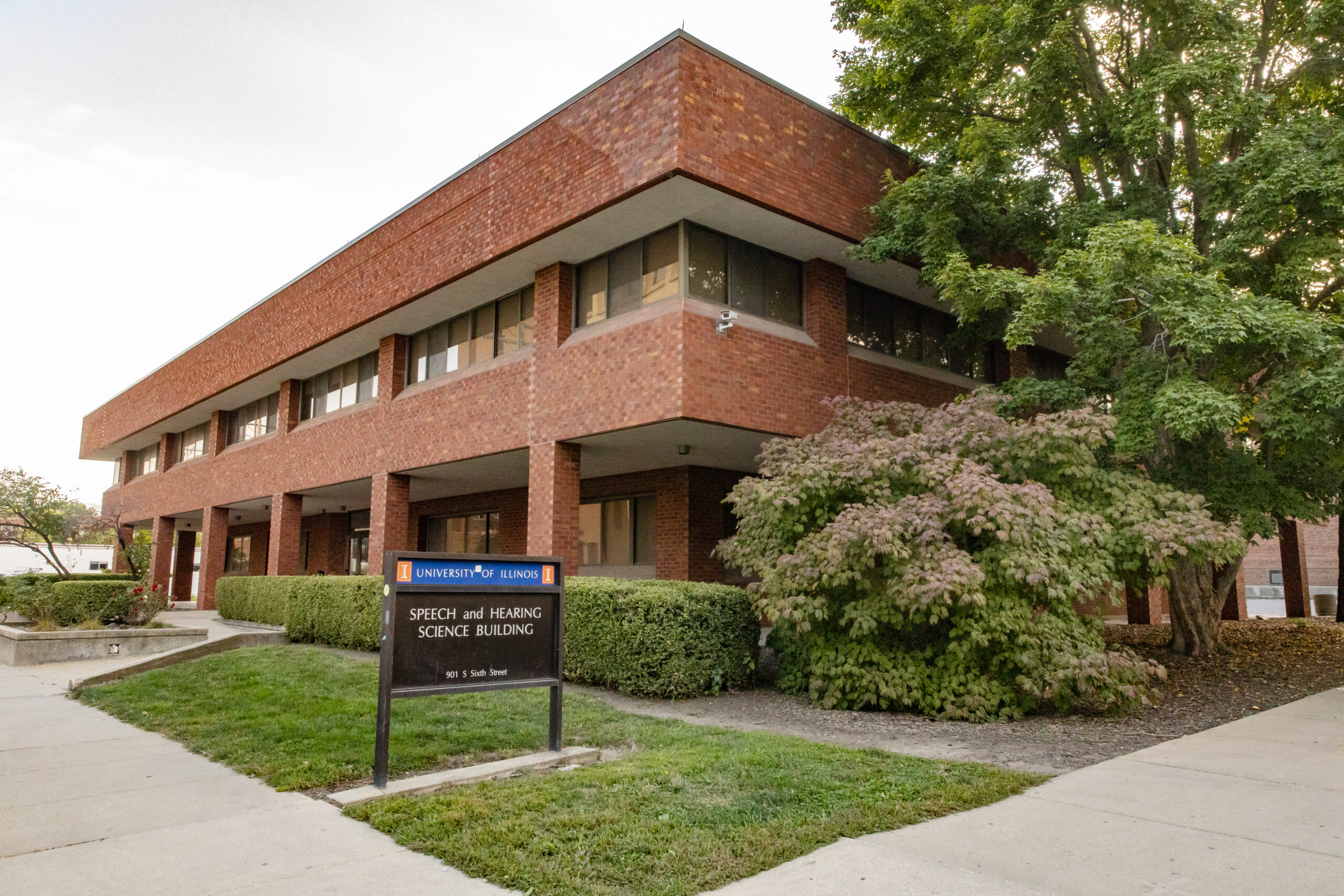
Speech and Hearing Science Building.

Today, the need for innovative models of hearing care is only increasing. With 48 million people in the United States and 477 million worldwide living with hearing loss, the demand for accessible, high-quality hearing care is growing rapidly. As a department, we are committed to supporting our students, alumni, partners, and community in addressing this global challenge.

Re-Envisioning Audiology Education at Illinois

Audiology education in general has experienced long-term challenges. Among these, a shortage of audiologists has contributed to a shortage of local clinical placement sites and clinical faculty, limiting the availability of supervised clinical training experiences. This is combined with limited applicants to our AuD program and competition from other AuD programs across the state and region. Over the past two years, the department engaged in a comprehensive review of the AuD program, assessed multiple models for long term sustainability, engaged in dialogue with statewide partners, and evaluated future trends in audiology education and clinical practice. As a forward-thinking department, we have decided to transition to new educational training models for supporting the future of hearing care.

After careful consideration, and with the best interests of our students, faculty, and the department in mind, we made the difficult decision to phase down the AuD program. As a result, we are no longer accepting applications to the AuD program.

A Continued Commitment to Hearing Health

We remain committed to educating future practitioners and leaders in hearing health. All currently enrolled AuD students will continue to receive full support from the faculty in meeting their educational and clinical requirements through the completion of their degrees. Our program continues to hold full accreditation status with the Council on Academic Accreditation in Audiology and Speech-Language Pathology (CAA). We are also designing new opportunities for students in our other degree programs to interface with our Audiology Clinic, collaborate with leaders in hearing science, and pursue interdisciplinary learning and innovation.

Our Audiology Clinic remains fully operational and continues to accept new patients and referrals without interruption. We are committed to serving the clinical needs of the university community and the public. Furthermore, we continue to pursue innovative models and partnerships as a leader in hearing throughout the state.

Designing the Future of Hearing Education and Research

Hearing science remains a core strength of our department, supported by a vibrant research community and ongoing investment in hearing innovation. Our faculty direct projects of national and international impact, to support children and adults across the lifespan with their hearing needs, and to improve clinical practice and technological solutions. With the growing influence of artificial intelligence, we are designing innovative undergraduate education opportunities that merge clinical practice with advancing computational methods, preparing students to thrive and lead in data-driven healthcare. We are building the future of hearing science and clinical practice, and we are training our PhD students to lead in this rapidly evolving field through our mentorship and interdisciplinary training.

We are deeply proud of our AuD program and the many accomplishments of our students, alumni, and faculty. We are also grateful for the valuable contributions of our adjunct faculty, emeriti faculty, and external clinical supervisors. We invite alumni, clinical partners, collaborators, and prospective students to join us in building the future of hearing science and advancing hearing care and education in Illinois and beyond.

Questions can be directed to Dr. Ian Mertes, the Director of the Audiology Program (imertes@illinois.edu).

Related News

Illinois researcher earns NIH subaward to advance cochlear implant technology


Photo by caption

Justin Aronoff, an associate professor in the Department of Speech and Hearing Science in the College of Applied Health Sciences at the University of Illinois Urbana-Champaign, has received a subaward on a Phase I Small Business Innovation Research grant from the National Institutes of Health and the National Institute on Deafness and Other Communication Disorders. The project, led by Vortant Technologies, focuses on a novel approach called “spatially transparent binaural beamforming” that improves on noise reduction techniques in cochlear implant processors.

Cochlear implants have transformed the lives of hundreds of thousands of people worldwide, offering a sense of sound to individuals with severe to profound hearing loss. Yet despite their effectiveness, users often face significant challenges in noisy environments such as restaurants, classrooms or crowded public spaces. Traditional technologies designed to filter noise can unintentionally distort spatial cues—the subtle differences in sound loudness and timing that allow people to locate and separate sounds in space. This distortion makes it harder for cochlear implant users to orient themselves in noisy situations, diminishing the devices’ usefulness in the real world.

The newly funded collaboration between Aronoff’s research group at Illinois and Vortant Technologies aims to solve this problem by advancing a promising new strategy in signal processing. Beamforming, the core technology under study, works by amplifying sounds coming from a specific direction—typically the person a listener wants to focus on—while suppressing sounds from other directions. While beamforming is not new, most existing approaches compromise spatial awareness. Vortant’s innovation, however, is a “spatially transparent” beamformer, meaning it not only improves speech perception in noise but also preserves the spatial cues that are critical for natural hearing.

“Beamforming helps improve speech perception in noisy environments by allowing a microphone to focus on sound from a specific location,” Aronoff said. “The problem with most beamformers is that while they enhance speech, they distort spatial cues, making it difficult to tell where different sounds are coming from. Vortant has been developing a beamformer that overcomes this tradeoff, both improving speech perception and preserving spatial information.”

Aronoff’s lab will play a key role in testing this technology. As the Illinois subawardee, he is responsible for designing and conducting behavioral studies with cochlear implant users. These studies will assess whether the new algorithm delivers on its promise to improve speech understanding in noisy conditions while maintaining the ability to detect where sounds originate. All participant testing will take place in Aronoff’s laboratory at Illinois, where his team has extensive experience conducting similar research.

Being able to follow conversations in noisy environments is one of the biggest challenges they face, and we hope this technology can make a meaningful difference in their everyday lives.

Justin Aronoff

SHS Associate Professor

Vortant Technologies specializes in developing assistive technologies that increase accessibility for people with disabilities. Aronoff first connected with the company through Phil Schaefer, Vortant’s chief scientist, when the two served together on an NIH SBIR review panel. Their shared interest in advancing assistive hearing technologies led to discussions of collaboration, eventually resulting in this funded project. Alongside Aronoff’s group on the Urbana-Champaign campus, a second subaward was issued to Ryan Corey at the University of Illinois-Chicago, expanding the collaboration across campuses.

For Aronoff, the project builds on a long-standing line of research aimed at maximizing the benefits of binaural hearing—the use of both ears—in cochlear implant users. His laboratory has previously been supported by an NIH R01 grant from the NIDCD, now in its fifth year, which investigates how cochlear implant users process spatial hearing cues. That project has already generated four peer-reviewed articles, additional manuscripts under review, and presentations at major national and international conferences. A renewal application for the R01 is currently under consideration, demonstrating the momentum and sustained impact of his research program.

The new SBIR project represents an opportunity to translate fundamental scientific findings into real-world applications. By validating the effectiveness of Vortant’s beamforming algorithm in a controlled laboratory setting, Aronoff’s group will help lay the groundwork for technology that could ultimately be integrated into commercial cochlear implant processors. If successful, the innovation has the potential to make daily listening situations—such as following conversations in a busy café or hearing a teacher in a lively classroom—more manageable and less exhausting for cochlear implant users.

For Aronoff, the potential impact is deeply motivating. “Our ultimate aim is to improve speech perception in noise for cochlear implant users,” he said. “Being able to follow conversations in noisy environments is one of the biggest challenges they face, and we hope this technology can make a meaningful difference in their everyday lives.”

The NIH’s SBIR program is specifically designed to support early-stage research and development conducted by small businesses, often in collaboration with academic partners. By fostering these partnerships, the program seeks to accelerate the translation of innovative ideas into marketable products that can benefit patients and society. The Phase I award to Vortant Technologies and its collaborators at Illinois and UIC exemplifies this mission, advancing cutting-edge science with clear pathways toward clinical application.

As the project progresses, Aronoff and his team will collect data to determine whether the algorithm meets its dual goals of enhancing speech perception and preserving spatial hearing. If the Phase I studies are successful, the team hopes to pursue a Phase II SBIR award, which would provide more substantial funding to refine the technology and move closer to commercialization.

For cochlear implant users, the promise of better hearing in noise could be life-changing. For Aronoff and his collaborators, the new grant marks an important step toward bridging the gap between laboratory research and the lived experiences of people who rely on hearing technology.

Editor’s note:

To reach Vince Lara-Cinisomo, email vinlara@illinois.edu.
 

Related news

Health study involves adults with Down syndrome ‘every step of the way’


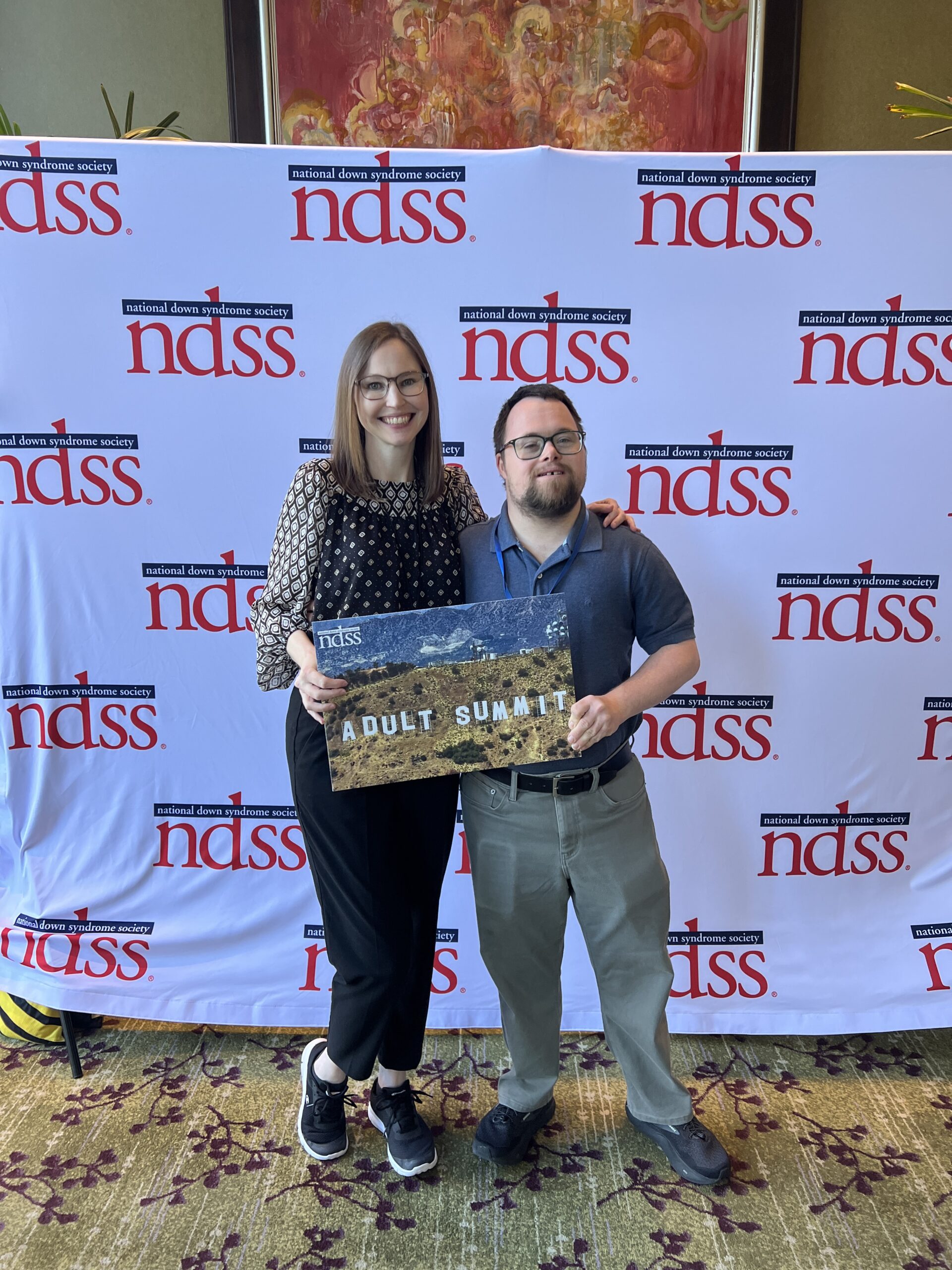
Marie Moore Channell and Joey Kane at the National Down Syndrome Society Adult Summit. (Provided)

The transition to adulthood can be a challenging phase for people with Down syndrome, as resources built to support them in their youth and in school begin to dry up.

Marie Moore Channell, associate professor of Speech and Hearing Science at the University of Illinois Urbana-Champaign, is the lead investigator on a new study funded by the National Institutes of Health, which will collect the direct perspectives of young adults with Down syndrome and develop community resources to support their social, mental and physical well-being.

Unlike any previous study on the topic, this one has a steering committee of adults with Down syndrome who’ve helped develop the direction of the study “every step of the way.”

“We realized that the research as a whole is missing that perspective from individuals with Down syndrome themselves,” Channell said. “It’s really a humbling experience as a researcher to take a step back and not say, ‘these are the topics missing in the literature.’ This time, we said, ‘you tell us.’”

Channell and her co-investigators, University of Nebraska-Lincoln’s Susan Loveall and Vanderbilt University’s Meghan Burke, have obtained a two-year, $446,096 grant from the National Institute of Child Health and Human Development for their study, titled “Developing and implementing community based participatory health research with young adults with Down syndrome.”

The research team will cast a wide net, conducting one-to-one Zoom interviews with adults with Down syndrome across the U.S. to better understand their health concerns, and how to best support them.

The study emerged from a separate survey the professors had sent out to caregivers of individuals with Down syndrome, which sought to identify the gaps in support that occur once they reached young adulthood. Adults with Down syndrome tend to live with a caregiver until age 50.

“Families tell us some version of the same thing, over and over: that the supports they were receiving when they were younger and in the schools, are taken away when they’re older,” Channell said.

They decided the topic warranted further investigation. But first, Channell and her team used their networks to form a steering committee with 12 young adults, all of whom have Down syndrome.

One of those steering committee members is Joey Kane, a 30-year-old from Seattle who met Channell at the National Down Syndrome Society Adult Summit a couple years ago. Channell described some of the participatory research she was interested in doing, and Joey was all ears.

“I like to help make a difference,” Kane said. “It’s giving my voice to be heard, and advocating not just for me, but for everyone else who has a disability.”

While the lead researchers have put the study in motion, the steering committee has met with them at least once a week over video calls, sometimes twice to accommodate members living in different time zones.

The health topics they’ve focused on, Channell said, have ranged from securing employment and community living, to improving physical health and self-advocacy skills.

All those priorities resonate with Kane. He lives in an apartment about a mile away from his parents’ house and has two jobs: he serves dinner at the cafeteria in a local nursing home and works the front desk at the Down Syndrome Center of Puget Sound, where he also helps teach in the center’s adult program.

Kane has enjoyed meeting the rest of the committee and learning about their perspectives on health topics. He credited Channell and the other study organizers for making sure everyone is represented.

“What’s really good about Marie and the people doing the study, is they can tell who hasn’t talked yet,” he said. “It makes me happy that everyone’s participating. If everyone participates, we’re going to have a good study.”

We realized that the research as a whole is missing that perspective from individuals with Down syndrome themselves.

Marie Moore Channell

Associate Professor, Speech and Hearing Science

Input from the steering committee has shaped the study in critical ways. For one, at the suggestion of the committee, the community resources will likely be geared for professionals who support individuals with Down syndrome, such as healthcare providers, case managers and job coaches.

The virtual interviews will be one-one-one video calls, rather than online surveys. Participants will be able to see questions ahead of time and bring pictures to illustrate their ideas.

“It is a technique we learned about in looking at the research, and that’s one the [steering committee] gravitated toward. It’s called ‘photovoice,’ and it’s been used in similar kinds of community participatory research methods,” Channell said.

The resources could take several forms, but what Channell knows for sure is she’ll be “working with this group every step of the way.” 

“I’ve never done this kind of work before, and it’s been a big learning curve, but really refreshing. Because it feels like we can make an impact a lot faster,” Channell said. “I still highly value the other kinds of research I’ve done, but this is something where it’s built into the project to implement into the community by the end.” 

The investigators will put together a “researcher’s toolkit,” compiling the successful practices and challenges of this participatory research. The team is currently hiring some of the steering committee members as co-researchers, who will be trained to help conduct the one-on-one interviews and take part in day-to-day research tasks.

“I’ve learned so much, and I see the value of connecting with the community, building a relationship and working with them before their research study is designed—not imposing your research questions on the community, we’re so used to doing that,” she said.

“It’s really challenging to change that, but I think it’s what we all should be doing more and more of as researchers.”

Editor’s note:

To reach Marie Channell, email channell@illinois.edu
Channell runs the Intellectual DisAbilities Communication Lab at Illinois. Visit their website.
 

Related news

Message from the interim department head


Amy Woods

Dear Alumni and Friends,

It is my pleasure to share with you the latest edition of our fall 2025 Speech and Hearing Science newsletter, which highlights the exciting work happening in our department. Even during a time of transition, our faculty, students, and staff continue to lead with innovation, dedication and a strong commitment to advancing both science and practice in the communication sciences.

One of the most inspiring projects featured is led by Associate Professor Marie Channell, whose research explores healthy aging among adults with Down syndrome. What makes this work so meaningful is the way adults with Down syndrome are engaged not just as participants, but as partners in the research process. Their involvement at every stage ensures that the findings are both scientifically rigorous and directly relevant to their lived experiences. This study exemplifies our department’s mission to connect scholarship with real-world impact.

We also celebrate the contributions of our new American Sign Language instructors, Jerri Seremeth and Lesli Williams. Through their teaching and leadership, they provide our students with invaluable skills in ASL while fostering greater cultural understanding of Deaf communities. Their work enriches the academic experience for our students and supports the department’s broader vision of inclusivity and accessibility. We also celebrate the contributions of our new colleague, Mariana Mendes Bahia, as she shares insights from her first year as an assistant professor in SHS.

Innovation in auditory research remains a hallmark of Speech and Hearing Science, and Associate Professor Justin Aronoff’s lab is making important strides in advancing cochlear implant technology. His research is aimed at improving how individuals with cochlear implants perceive and process sound, with the ultimate goal of enhancing quality of life. This line of inquiry has the potential to transform auditory rehabilitation and extend the benefits of cochlear implantation to even more people worldwide.

Finally, we highlight a collaborative project led by faculty members Sadie Braun and Dan Fogerty, who are working to develop hearing tests that more closely reflect the complex listening environments people face every day. Traditional assessments often fall short in capturing these challenges, but their approach promises to give clinicians better tools to understand and treat hearing difficulties in realistic contexts.

As you read about these efforts, I hope you share in our pride for the work being done here at Illinois. We are fortunate to have such dedicated faculty, staff and students pushing the boundaries of knowledge while remaining grounded in our commitment to service. Our alumni community is an essential part of this story, and I am grateful for your continued support and engagement.

Thank you for being part of our journey.

Sincerely,

Amy Woods

Interim Department Head

Speech and Hearing Science

James K. & Karen S. McKechnie Professor

Related news

AHS Faculty Q&A: Mariana Mendes Bahia on swallowing disorders and her research agenda


Mariana Mendes Bahia. (Photo by Ethan Simmons)
How was your first year at the Department of Speech and Hearing Science here at AHS?

Mariana: My first year was a period of growth and adaptation as I became familiar with the university and the Department of SHS. I have been fortunate to receive consistent support from colleagues and departmental staff, which greatly eased this transitional period and helped me navigate new academic and administrative environments.

This year was also dedicated to establishing my laboratory, the Neuro+Swallowing Research Lab, and laying the foundation for my future research program. Setting up the lab allowed me to plan my next steps, define research priorities, and begin shaping a trajectory that aligns with my long-term academic goals, while learning to adapt to the challenges and opportunities of a new institutional setting.

When did you first become interested in studying swallowing physiology and disorders, and why have you stuck with that topic in your research?

My initial interest in swallowing developed during my specialization in speech-language pathology in neurology, when I had the opportunity to conduct swallowing assessments and provide treatment for individuals with swallowing disorders, known as dysphagia, related to neurological diseases.

I was fascinated by the complexity of the swallowing process—something we do countless times a day without even thinking about it. What intrigued me most was how such an automatic act relies on the intricate coordination of more than 30 muscles (and many other structures), several nerves, and brain structures. The interaction among all the swallowing structures, along with the brain and breathing, felt like solving puzzles, and this challenge sparked my curiosity and passion for learning more about the mechanisms behind swallowing and how to best support patients with these difficulties.

As a clinically trained speech-language pathologist, I have observed the devastating impact of swallowing disorders on individuals and their families. This experience has motivated me to integrate my clinical expertise and research background in the investigation of swallowing physiology, particularly the interaction between brain-swallowing and breathing-swallowing, to advance rehabilitation approaches that enhance swallowing ability, improve patient care and enhance the quality of life for individuals with dysphagia and their families.

Bahia in her office at the Speech and Hearing Science building.
You’ve described dysphagia as an “invisible” disorder. For the folks you’ve worked with, how does dysphagia impact their quality of life?

Swallowing is a critical process for life. We need to eat and drink for adequate nutrition and hydration. However, we also eat and drink for pleasure and comfort. Eating is a highly social activity. Therefore, the impacts of swallowing disorders or dysphagia are not restricted to the physical health domain, such as inadequate food or liquid intake, resulting in malnutrition, dehydration, or unintended weight loss.

Individuals with dysphagia face psychological, emotional, and social impacts, including fear of eating, embarrassment, loss of enjoyment when they cannot eat or drink certain foods, and reduced social participation in cultural events or family gatherings where eating is central. The limited ability to share a meal may weaken family and community bonds.

Which therapeutic interventions can work for those living with dysphagia?

Therapeutic interventions for dysphagia aim to improve swallowing safety—preventing food or liquid from entering the airway—and efficiency: ensuring adequate passage of food from the mouth to the stomach. Importantly, interventions are tailored to individual needs and target specific impairments evident in each person. Interventions may include compensatory strategies, such as head adjustments and dietary modifications, to reduce the risk of airway invasion, as well as rehabilitative exercises to strengthen the swallowing muscles, improve the movement of swallowing structures, and enhance the coordination of the swallowing process. Additionally, rehabilitative exercises can be paired with other therapeutic modalities, such as neuromuscular electrical stimulation and brain stimulation.

Editor’s note:

To reach Mariana Mendes Bahia, email mmbahia@illinois.edu.
 

Related news

Department of Speech and Hearing Science
901 South Sixth Street
M/C 482
Champaign, IL 61820
217-333-2230