Air Force Veteran Cole a steadying force in SHS


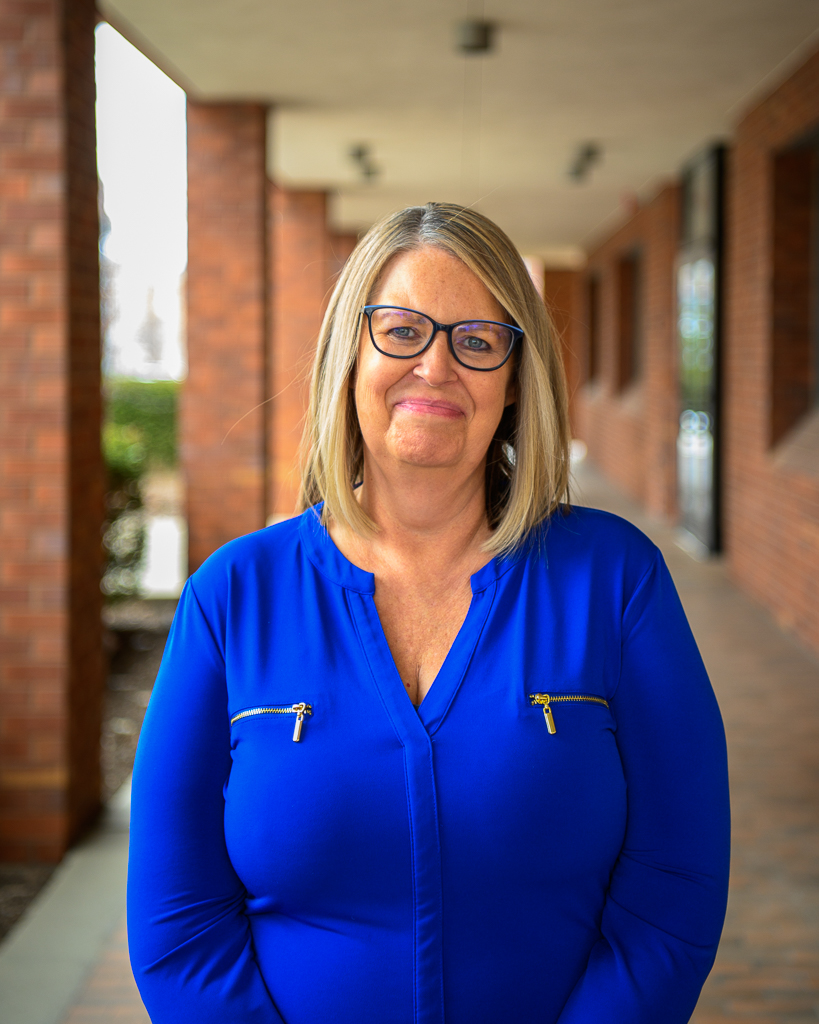
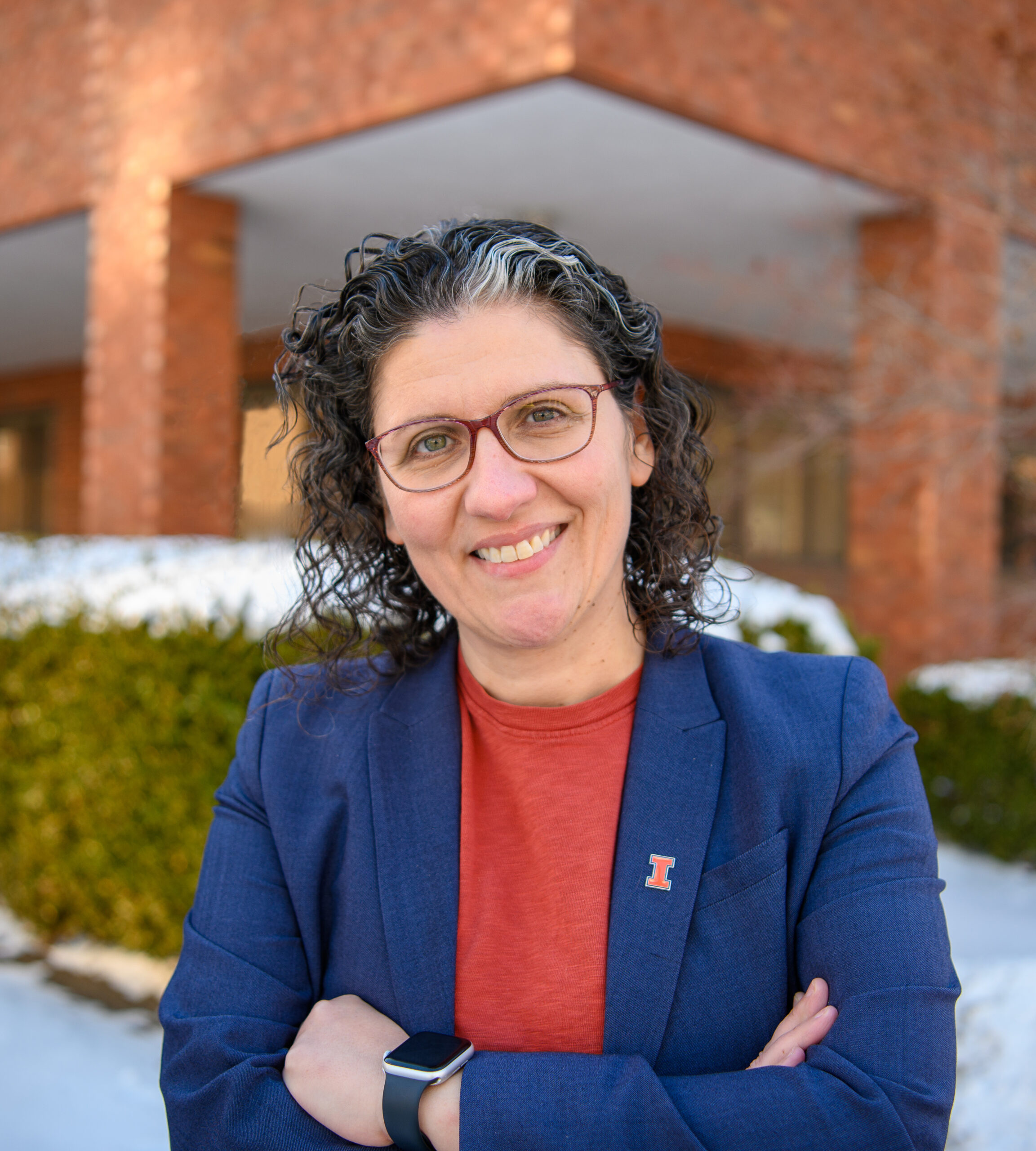
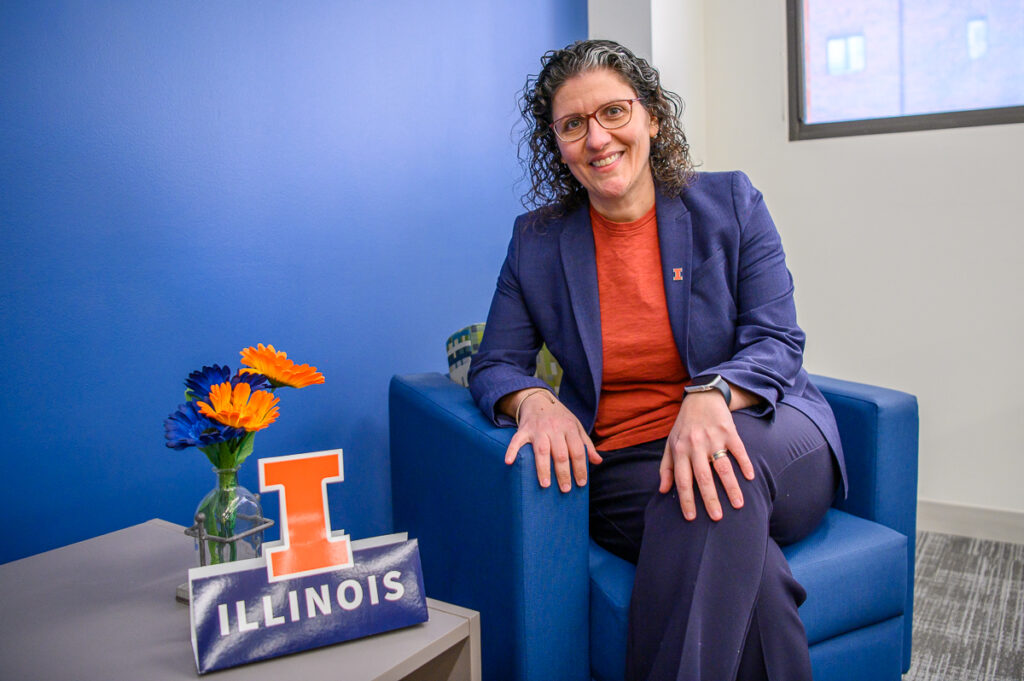
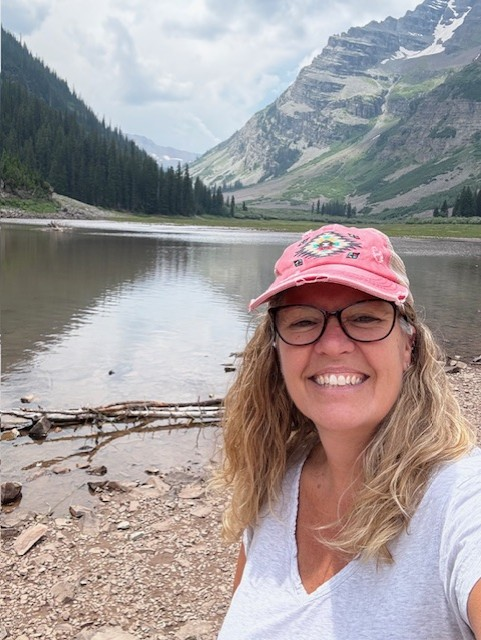
‘I love my job. I love my faculty,’ Stefanie Cole said. (Photo by Ethan Simmons)

At the University of Illinois Urbana-Champaign, where academic reputations are built on research breakthroughs and classroom innovation, much of the daily work that keeps departments moving forward happens quietly. In the Department of Speech and Hearing Science, that steady presence for more than a decade has been Stefanie Cole.

Cole did not set out to build a long career in higher education administration. Having just completed her service in the U.S. Air Force, she was working as a medical office assistant at the Carle Cancer Center. She was a new wife, a new mother and new to the Champaign-Urbana area. Raised in a university town, she understood the rhythm of campus life and was looking for broader options with greater flexibility and room to grow professionally.

“The University of Illinois seemed like a great fit,” she said, adding that it offered stability, opportunities to advance and a chance to build on the skills she had developed in the military and in healthcare settings.

Thirteen years into her campus career, the opportunity to join Speech and Hearing Science found her. “It was the perfect time to explore some new challenges,” she said.

At the outset, Cole imagined she might stay in the role for five years, long enough to see her son through high school. Instead, she found a professional home. “I love my job. I love my faculty,” she said. When health issues arose within her family, the predictability and support of her department made staying an easy decision.

During her tenure, SHS has seen significant change. This semester marks the arrival of the department’s fourth head since she joined. The unit has undergone an extensive building remodel, and its audiology clinic operations were relocated and combined with speech-language pathology into a shared facility at Research Park. Faculty members have come and gone, reflecting national searches and shifting research priorities.

Yet some things, she says, have remained constant.

“Although some faculty have left and new faculty have arrived, the collegiality and cohesiveness has always remained outstanding,” Cole said.

As administrative aide, she occupies a role that is at once central and largely invisible. She describes her job as ensuring that the department’s work runs as smoothly as possible. Budgets, faculty searches, promotion and tenure dossiers, award programs and the daily churn of academic paperwork all pass through her office.

Georgia Malandraki, who replaced Pamela Hadley as department head of SHS in January 2026, said Cole’s steadiness has been immeasurable in her transition.

“In just a short time, Stefanie has become one of the people I rely on most. Stepping into a new leadership role is never easy, but she welcomed me with warmth and immediately made me feel supported. Her calm presence, deep knowledge of the department and genuine care for the people here have been invaluable. I already can’t imagine navigating this transition without her. She is the quiet strength behind so much of what we do, and I feel incredibly lucky to work with her.”

There is no typical day, Cole said. The academic calendar dictates a certain ebb and flow—admissions cycles, graduation, the annual student awards program each spring—but any carefully constructed to-do list can be upended by last-minute requests or unexpected crises.

“I come in the morning with the best laid plans of a set agenda of tasks for my day,” she said. “But I usually leave having accomplished many different tasks than I had originally planned.”

I enjoy having a front-row seat to the growth within the department.”

Stefanie Cole

SHS administrative aide

When deadlines tighten or complications arise, Cole holds herself to high standards. “I expect more from myself than anyone else specifically expects,” she said. “When things don’t go as planned, I want the best for the department and I am willing to step in to fill whatever hole that I can, however I can.”

Though her primary interactions are with faculty, students remain a meaningful part of her work. Planning the department’s annual student awards program is, she said, “such a treat.” The ceremony offers a rare pause in the academic year and a chance to meet families and celebrate achievements that represent years of clinical training and research.

The department’s clinical graduate programs are complex and often stressful. Cole believes students know they can walk into the administrative office with questions and feel comfortable doing so. “If we don’t have the answer, we work hard to point them in the right direction,” she said.

One of the most consequential aspects of her role involves shepherding faculty through promotion and tenure. The process is detailed, exacting and often years in the making. Watching those efforts culminate in successful promotion milestones, she said, reaffirms the importance of her work.

“I enjoy having a front-row seat to the growth within the department,” Cole said.

Her years across multiple campus roles have also given her insight into how a large public university functions. Policies, approvals and budget decisions move more slowly than they might in private industry, she said, not because of inefficiency but because of the many moving parts involved.

“The wheels of the university turn slower than other places,” she said. “There are a lot of moving parts and pieces that make up the ‘how’ and the ‘why’ we do what we do. Please be patient.”

Institutional memory is another quiet responsibility she carries. When she first arrived at SHS, much of the department’s history and procedural knowledge was undocumented, passed along informally from one person to the next. Today, only a handful of faculty members remain from those early years.

“It was ‘learn as we go,’” she said. Over the next few years, she hopes to document as much departmental history and practice as possible, preserving traditions and unwritten rules for the next generation of staff and faculty.

Of all her accomplishments, Cole said she is most proud of the support she provides to her department head and faculty and of the streamlined processes that have taken shape during her tenure. With a new department head now at the helm, she looks forward to the department’s next chapter.

Through stressful or thankless stretches, she credits the people around her for keeping her motivated. “Our faculty, staff and students are always gracious and appreciative of the work that we do,” she said.

In a university environment where recognition often centers on those at the lectern or in the lab, Cole’s work underscores another truth: institutions run on dedication as much as distinction. For more than a decade at Illinois, she has made sure that when others succeed, the path behind them is clear.

Editor’s note:

To reach Vince Lara-Cinisomo, email vinlara@illinois.edu

Related news

Rural Health Initiative will bring department’s speech and hearing health expertise to rural Illinois


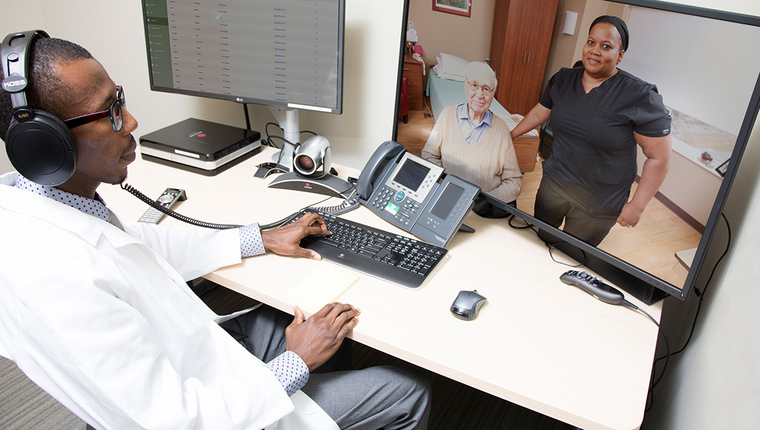
SHS will establish a rural telehealth site in Stephenson County to offer state-of-the-art remote clinical services that residents can easily access (Photo provided)

With a boost from donors, researchers and clinical faculty in the Department of Speech and Hearing Science are collaborating to introduce a new speech and hearing healthcare option for residents in rural areas of northern Illinois. 

Partnering with the Illinois Extension, the department will establish a rural telehealth site in Stephenson County to offer state-of-the-art remote clinical services that residents can easily access. Upon successful testing and initiation, the department will be ready to expand these services to other counties.

The Speech and Hearing Science Rural Health and Telehealth Initiative was developed on a charge from new department head, Professor Georgia Malandraki, after a generous donation for the cause from David Shockey, attorney and two-time University of Illinois graduate from Freeport, Illinois. 

“Our department has a strong history of leading telehealth research and advancing evidence-based practice in our field. I am deeply grateful for the support that made this initiative possible, allowing us to extend our impact and deliver high-quality speech, language, cognitive and hearing care to those who need it most,” Malandraki said.

“By building on our faculty’s expertise, we are also strengthening student training and preparing future clinicians and scientists to serve rural communities.”

Of 102 counties in Illinois, 82 are classified as rural by the state’s Department of Public Health. About 15 percent of Illinois residents reside in rural areas of the state, which are more likely to face healthcare staff shortages and limited access to specialty services. 

“Part of what we’re trying to investigate right now is just what are the needs of the community, and how does that fold in with the opportunities and what we’re already offering,” said SHS Associate Professor Dan Fogerty, who researches speech perception and hearing loss. “With telehealth and remote services, you need to have the platform and infrastructure in order to provide those.” 

For faculty at the Department of Speech and Hearing Science, these telehealth sites will be a chance to implement their ongoing research, outreach and clinical practices around telehealth in a new region. 

The rural health initiative is steered by a task force of research and clinical faculty at Speech and Hearing Science, including Fogerty; Professor Raksha Mudar; Clinical Associate Professor Clarion Mendes, a speech-language pathologist; and Clinical Assistant Professor Sadie Braun, an audiologist. 

“We have a flagship campus with a commitment to our communities. This is a way we can demonstrate that our services extend beyond our campus alone,” said Mudar, who directs the Aging and Neurocognition Lab. “We have built the evidence base—we have the expertise, so now it’s just bringing it all together to offer a more cohesive way to extend that to the community.”

For SHS students, the telehealth sites will provide opportunities to serve individuals in under-resourced areas using the latest remote care technology, broadening their hands-on experience before they become full-time clinicians. 

The project is still early in development, but a crowd-funded campaign helped raise another $2,000 to support the establishment of both telehealth sites. The initiative will build on the teamwork from previous collaborations across the department, including a grant-funded project to create more accurate hearing tests.  

“The nice thing about Speech and Hearing Science at Illinois is that the education, the research and the clinical practice are all integrated,” Fogerty said. “This is an excellent project to demonstrate that.”  

Editor’s note:

To reach Ethan Simmons, email ecsimmon@illinois.edu.
 

Related news

Spring 2026: Message from SHS Department Head Georgia Malandraki


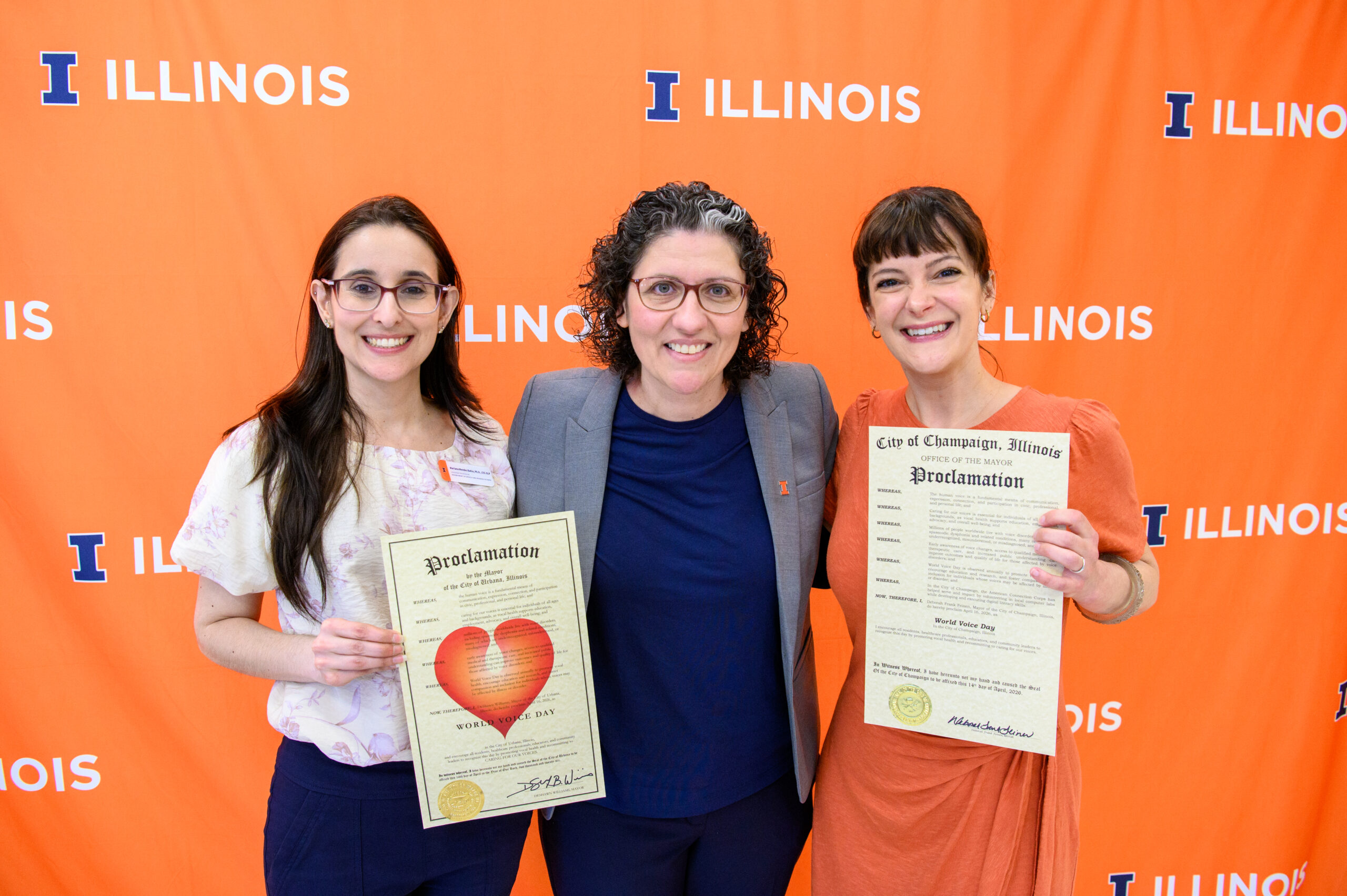
Speech and Hearing Science Assistant professor Mariana Bahia, left, Department Head Georgia Malandraki and Clinical Associate Professor Clarion Mendes pose with the World Voice Day proclamations from Urbana and Champaign on April 16, 2026. (Photo by Ethan Simmons)

Dear colleagues, alumni, students and friends,

It has been a meaningful and energizing start to my return to campus, and I’m grateful for the warm welcome I’ve received from this community. In my first 100 days, I’ve had the opportunity to reconnect with many of you, listen carefully to your perspectives and begin advancing several initiatives that reflect both our department’s strengths and our ambitions for the future. In this issue, you’ll find a more in-depth look at that journey—what we’ve set in motion so far, and where we’re headed next. 

One initiative that captures the spirit of our mission is the Rural Health and Telehealth Initiative. In collaboration with Illinois Extension partners and generous donor support, our department is working to establish rural telehealth sites in Illinois, expanding access to speech, language and hearing services for underserved communities. This effort is being led by colleagues in Speech and Hearing Science, alongside Extension, including Dan Fogerty, Raksha Mudar, Clarion Mendes, Sadie Braun and Margaret Larson, the county director for the first site. This initiative reflects the kind of interdisciplinary, community-engaged work that defines who we are.

Our faculty continue to lead in research and innovation. Brian Monson and Rohit Ananthanarayana have developed and patented a promising new algorithm designed to extract speech from noise using high-frequency signals—an advancement with significant implications for communication technologies and clinical applications. I’m also proud to share that Brian Monson has been elected as a fellow of the Acoustical Society of America, a well-deserved recognition of his contributions to the field.

We are also delighted to highlight the people who make our department thrive. This issue features a faculty spotlight on Jaime Bauer Malandraki, offering a closer look at her work and perspectives through a Q&A. You’ll also meet Stefanie Cole in our staff spotlight, recognizing her important contributions and dedication.

While it is impossible to capture all the extraordinary moments of the past 100 days in a single newsletter, a few truly stand out: celebrating our remarkable students with 33 awards alongside their families and friends; hosting a vibrant two-day SHS alumni and friends open house event where we shared our work, reconnected and envisioned the future together; and in early April, seeing our graduate programs rise to No. 11 (tied) in Speech-Language Pathology and No. 18 (tied) in Audiology in the U.S. News & World Report. These milestones speak to the momentum, excellence and spirit of our SHS community—something I am proud and inspired to witness every day.

Looking ahead, we are exploring exciting possibilities in emerging areas such as virtual reality applications for voice therapy, including ongoing efforts led by Pasquale Bottalico to secure funding and move this work forward.

Thank you for your continued engagement and support. Together, we are building on a strong foundation while embracing new opportunities to expand our impact in Illinois and beyond.

Warm regards,

Georgia A. Malandraki

Department Head, Speech and Hearing Science

Related news

Shared values and bold vision: Why Jaime Bauer Malandraki Chose Illinois’ Department of Speech and Hearing Science 


Jaime Bauer Malandraki, left, with Dean Cheryl Hanley-Maxwell, said she chose Illinois because of its culture that prioritizes inclusivity (Photo by Ethan Simmons)

When Jaime Bauer Malandraki began considering the next chapter of her career, she wasn’t simply looking for a new job. She was searching for an academic home, an institution whose values aligned with her own and where she could build innovative clinical and research programs for years to come. She found that match at the University of Illinois Urbana-Champaign, within the Department of Speech and Hearing Science.

“As we researched Illinois, I felt strongly that the values throughout the university, college and department closely align with my own,” said Bauer Malandraki, a clinical professor in SHS. “These include a strong commitment to student success, accessibility and the importance of diverse representation at all levels.”

For Bauer Malandraki, shared values are not a talking point—they are foundational to her work as a clinical educator and researcher. She believes that being part of an institution she can take pride in is essential to fostering a healthy, productive environment. At Illinois, she saw a campuswide culture that prioritizes inclusion, transparency and growth.

That alignment was especially important as she thought about the work she wants to be doing over the next five to 10 years. A specialist in swallowing disorders and aerodigestive sciences, Bauer Malandraki envisions expanding both educational and clinical opportunities for students while deepening community engagement and research in her field.

“I believe Illinois and the Department of Speech and Hearing Science offer an ideal setting for exploring innovative ways to engage students and the community,” she said.

Clinically, she sees room to grow programming around swallowing disorders, an area of speech-language pathology that intersects with complex medical care. That growth, she says, can happen in multiple directions: expanding hands-on training, strengthening research initiatives and building broader partnerships that increase the department’s medical footprint.

She is particularly eager to collaborate with colleagues in her home department to enhance clinical training in aerodigestive sciences. But her ambitions stretch beyond departmental lines. Illinois’ breadth as a major research university creates opportunities to work across disciplines, collaborations she hopes will broaden the medical scope of speech-language pathology training on campus.

The department’s culture has reinforced her confidence that Illinois was the right choice. Bauer Malandraki describes it as collegial and supportive, with a shared focus on sustainable growth and meaningful impact.

“There is an atmosphere of positivity and potential,” she said. “It makes it exciting to be part of.”

She also points to leadership style as a distinguishing feature. Compared with previous institutions—Bauer Malandraki most recently taught at Purdue University—she finds Illinois’ leadership approachable and engaged with an emphasis on transparent communication.

“Culturally, this helps foster a sense that we’re all in this together,” she said. That sense of shared purpose resonates deeply with her, particularly during what she describes as a time of transition and reimagining in higher education.

Innovation in teaching is another draw. Bauer Malandraki is eager to experiment with new ways of preparing graduate students for careers in medical speech-language pathology. While traditional hands-on clinical experiences in swallowing disorders remain central, she is interested in incorporating telehealth applications and simulated or virtual reality clinical experiences to expand access and deepen training.

“It’s important that we train excellent clinicians but it’s equally important that we equip them with the tools to sustain themselves in demanding professions.”

Jaime Bauer Malandraki

Clinical Professor, SHS

She also brings a strong commitment to the mental health and well-being of helping professionals. In addition to her clinical specialty, she hopes to develop an undergraduate course focused on preparing students from multiple disciplines to maintain personal and professional well-being while working in patient-facing roles.

“It’s important that we train excellent clinicians,” she said, “but it’s equally important that we equip them with the tools to sustain themselves in demanding professions.”

Her transition to campus has been marked by a warm welcome. Faculty and staff in the department, along with college leadership, made her feel valued from the interview process onward. Graduate students have also played a significant role.

“They are passionate about their academic studies and clinical training,” she said. “They’re eager to see the department grow further in the medical space, which has been wonderful to observe.”

Outside the classroom and clinic, Bauer Malandraki has embraced her new home in Champaign-Urbana. She and her family found what she describes as a great house in a welcoming neighborhood, and she appreciates the community’s inclusive culture.

A self-described “bookstore nerd,” she quickly discovered The Literary in downtown Champaign, praising its curated collection and inviting vibe. She also loves being in nature and has found solace in walks at Lake of the Woods Forest Preserve in Mahomet. 

Like any major move, the transition came with challenges. The hardest part, she said, was the physical relocation and the process of establishing new routines. She relies heavily on daily structure for focus and productivity. Yet she also thrives on change.

“Overall, the adjustment has been a good challenge,” she said.

As she looks ahead to her first full year, Bauer Malandraki is eager to immerse herself in the daily life of the department and college, exploring ways she can contribute beyond her immediate responsibilities. As a specialized faculty member and the proud daughter of a Teamster, she is also interested in becoming involved with the Non-Tenure Faculty Coalition, underscoring her longstanding commitment to advocacy and professional equity.

Ultimately, Bauer Malandraki’s decision to join Illinois reflects more than a professional calculation. It represents a convergence of values, opportunity and vision. In the Department of Speech and Hearing Science, she sees a place where innovative clinical education, interdisciplinary research and a culture of shared purpose can come together—advancing not only her own career, but the future of the field she is passionate about.

Editor’s note:

To reach Jaime Bauer Malandraki, email jaimebm@illinois.edu

Related news

Roots and reach: Malandraki named Khan Professor in Applied Health Sciences 


Georgia Malandraki, center, called the professorship a milestone and a homecoming (Photo by Mike Heiniger)

The investiture of Georgia Malandraki as the Shahid and Ann Carlson Khan Professor of Applied Health Sciences was, in many ways, a story about roots and the far-reaching branches they sustain. 

Held at Huff Hall, the ceremony brought together university leaders—such as Provost John Coleman—faculty, family, mentors and donors to celebrate Malandraki’s appointment to one of the college’s most prestigious endowed positions. The event underscored both her global impact as a scientist and clinician and the philanthropic vision that made the professorship possible. 

“This is a special occasion, not only for our college and university, but for the broader community,” said Cheryl Hanley-Maxwell, dean of the College of Applied Health Sciences. She described endowed professorships as among the most meaningful traditions in academia, recognizing excellence while enabling innovation through donor support. 

The professorship is funded by Shahid Khan and Ann Carlson Khan, whose longstanding ties to the university date back to their time as students. Their contributions span multiple colleges and initiatives, including major investments in facilities, academic programs and community outreach. 

Shahid “Shad” Khan, who arrived in the United States from Pakistan to study industrial engineering, built a business empire after purchasing automotive supplier Flex-N-Gate. Ann Carlson Khan, who studied business at Illinois, later turned her focus to philanthropy, helping guide the family’s charitable efforts through the Khan Foundation. Together, they have supported causes ranging from education and the arts to healthcare and community development. 

“It’s absolutely a joy and a privilege to be here … and all the ideas and thoughts we’ve had (and) what we wanted to do here, and it’s wonderful to see it come to life,” Shad Khan said. 

Their gift establishing the Khan Professorship reflects a commitment to advancing research and leadership in applied health sciences. “Because of you, we are able to support leaders like Dr. Malandraki, whose work is improving lives across the globe,” Hanley-Maxwell said. 

For Malandraki, the honor marks both a professional milestone and a personal homecoming. 

An internationally recognized expert in swallowing disorders, she returned in January to her alma mater, Illinois, as head of the Department of Speech and Hearing Science after building a distinguished career at Purdue University. There, she led pioneering work in the Imaging, Evaluation, and Treatment of Swallowing Research Laboratory and Clinic, advancing understanding of how the brain controls swallowing and developing new approaches to rehabilitation. 

Her research—supported by the National Institutes of Health and other major funders—has explored cutting-edge interventions, including telehealth and wearable technologies designed to expand access to care. Her work has earned numerous accolades, including the American Speech-Language-Hearing Association’s Early Career Contributions in Research Award and designation as an ASHA Fellow. 

Yet in her remarks, Malandraki focused less on accolades and more on the journey that led her to the moment. 

“I’m profoundly humble to be given this distinguished honor and opportunity,” she said. 

Born and raised in Crete, Greece, Malandraki is a first-generation college student whose path to academia was shaped by family, perseverance and early exposure to the transformative power of education. She recalled leaving Greece in 2002 for the United States with a book gifted by her sister, containing a handwritten Cretan poetic verse (mantinada) that would come to define her outlook: “Tree branches must never forget their roots, for when the roots run dry, the branches wither, too.” 

Those roots, she said, began with her parents, Maria and Andreas Malandrakis, who never had the chance to attend college but insisted their children would. Education was not optional in their household; it was woven into daily life. 

“My earliest memories are of our family gathered around the kitchen table, everyone studying,” she said. “Reading and education were simply part of daily life. My mother survived World War II as a child. (My parents) raised six children, and I was, believe it or not, the sixth. My mother often joked that raising me felt like raising six more all at once. Despite the issues they faced, including raising me, there was never any debate in our home. Their children would have the opportunities today they themselves did not.” 

Tree branches must never forget their roots, for when the roots run dry, the branches wither, too.

Georgia Malandraki

SHS Department Head and Professor

Another formative influence was her nephew, Telemachus, who was born when she was 10 years old. Telemachus was diagnosed with autism at a time when speech and support services were scarce. Watching her family navigate those challenges helped shape her decision to pursue speech and language therapy, first in Greece and later in the United States. 

“Growing up alongside Telemachus, I witnessed firsthand both his challenges and my family’s determination to support him, an experience that profoundly shaped my career path,” she said. 

She earned her bachelor’s degree at the Technological Educational Institute of Patras, followed by a master’s degree from Ohio University and a doctorate from Illinois, making her return to campus especially meaningful. 

“This moment is a full circle,” Hanley-Maxwell noted in introducing Malandraki. 

Colleagues describe Malandraki as a leader who blends rigorous science with compassion and mentorship. Beyond her research achievements, she has served in key leadership roles, including as president of the Dysphagia Research Society, and is widely recognized for her commitment to evidence-based care and collaborative scholarship. 

In accepting the professorship, Malandraki emphasized gratitude and responsibility. 

“I accept the Khan Professorship with humility, gratitude and a deep sense of responsibility,” she said. “To my family, mentors, trainees, collaborators and colleagues, thank you for being my roots, my support system and my inspiration.” 

Kim Graber, left, Georgia Malandraki, center, and Wendy Rogers, far right, are the three Khan Professors of Applied Health Sciences, as endowed by Shahid Khan, right. (Photo by Mike Heiniger)

She framed the honor not as an endpoint, but as a platform for continued impact, particularly in improving access to care and advancing research that bridges science and clinical practice. 

“May our work continue to grow strong branches, deeply rooted in those who came before us, and reaching ever higher toward a future that improves lives,” she said. 

The ceremony concluded with closing remarks from Hanley-Maxwell, who highlighted the collective effort behind the achievement, from donors and university leadership to colleagues and family members. 

“Dr. Malandraki, congratulations once again,” she said. “We are proud to celebrate your achievements and excited for the impact you will continue to make as the Khan Professor.” 

As attendees gathered for a reception following the ceremony, the significance of the moment lingered, not just as a celebration of one scholar’s accomplishments, but as a testament to the interplay of opportunity, philanthropy and purpose. 

In the language of Malandraki’s sister’s verse, the investiture honored both the strength of the roots and the promise of the branches yet to grow. 

Editor’s note:

To reach Vince Lara-Cinisomo, email vinlara@illinois.edu.
 

Related news

Champaign-Urbana celebrates ‘World Voice Day’


Our vocal folds are roughly the length of our thumbnail, and yet they enable us to speak, sing, laugh and share our favorite stories.  

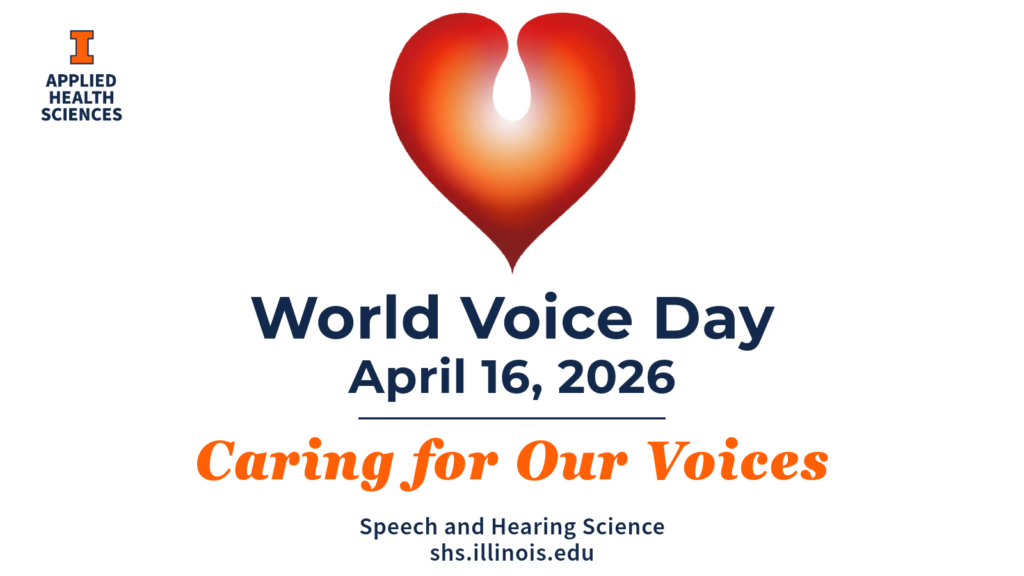
On April 16, the twin cities of Champaign and Urbana—home to the University of Illinois—will recognize World Voice Day, an international celebration of the human voice that shines a spotlight on vocal health. 

Behind the scenes, both proclamations were driven by clinicians and instructors at the Department of Speech and Hearing Science, based in the College of Applied Health Sciences.

“We wanted to bring World Voice Day to both Champaign and Urbana to raise awareness at the community level and emphasize that voice health is relevant to everyone, not just professionals or individuals already seeking care,” said Mariana Mendes Bahia, assistant professor of speech and hearing science. “Voice disorders can affect anyone in our community, and recognizing this day at the city level helps extend awareness beyond the clinic or classroom.” 

Bahia was inspired by the advocacy of Dysphonia International, an association that supports people with voice disorders. Clarion Mendes, clinical associate professor at SHS, encouraged her to get the day recognized locally. The Department of SHS and officials from both cities were fully supportive. 

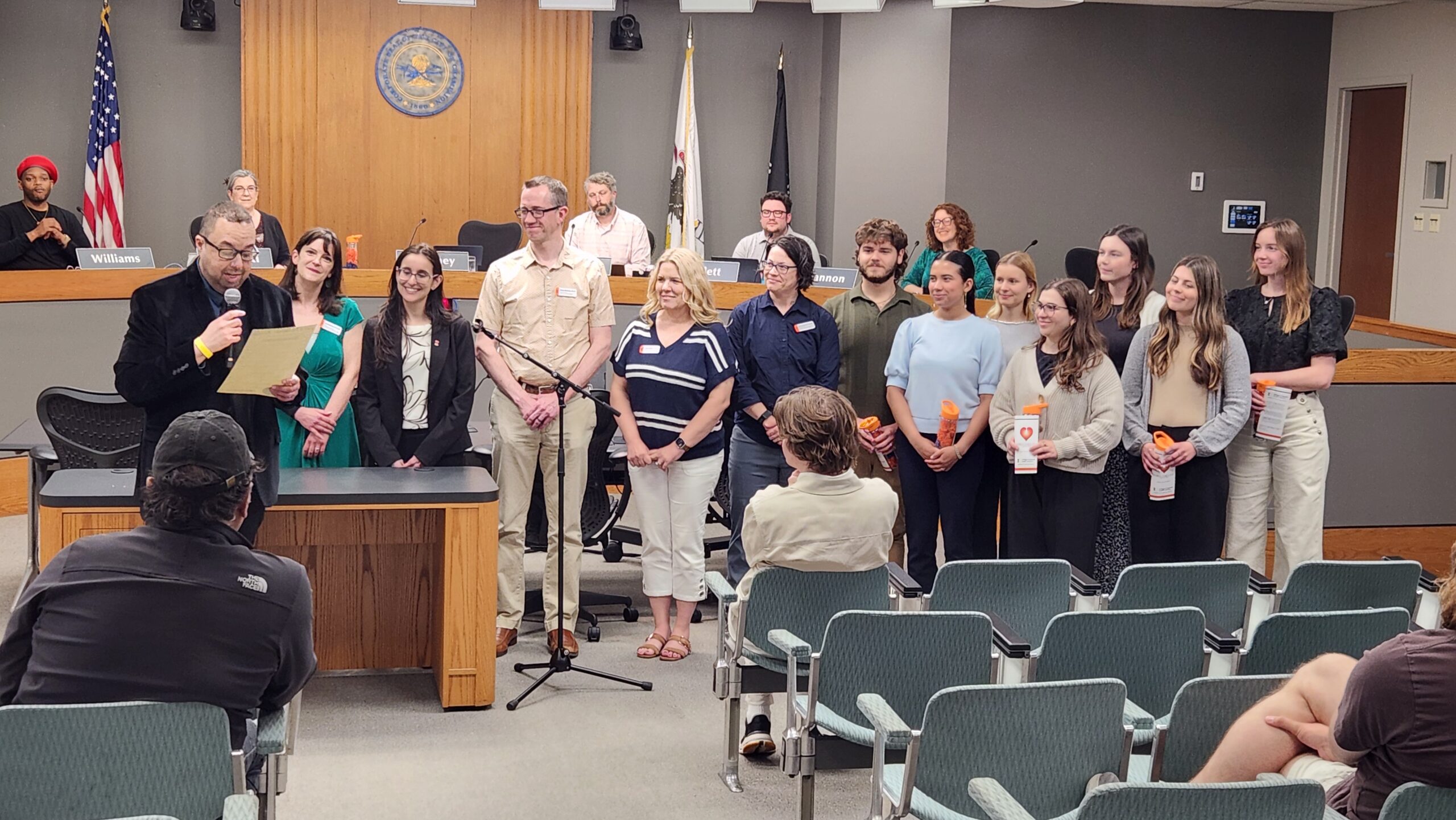
Champaign city council member Matt Gladney reads the World Voice Day proclamation for the city, with Speech and Hearing Science students and faculty in attendance. (Jeff Hamilton | City of Champaign)
  • On Tuesday, April 14, Champaign city council member Matthew Gladney read the World Voice Day proclamation in the city council chambers, with Speech and Hearing Science faculty and students present. 
  • On Thursday, April 16, at 11:15 a.m., Urbana city council member James Quisenberry will come to the Speech and Hearing Science building to proclaim World Voice Day for Urbana, with the whole department in attendance.

A wide range of professions rely on the voice—not just performers. Actors, singers and broadcasters may come to mind, but retail workers, healthcare providers and teachers also lean on their vocal ability and presence every day at work. 

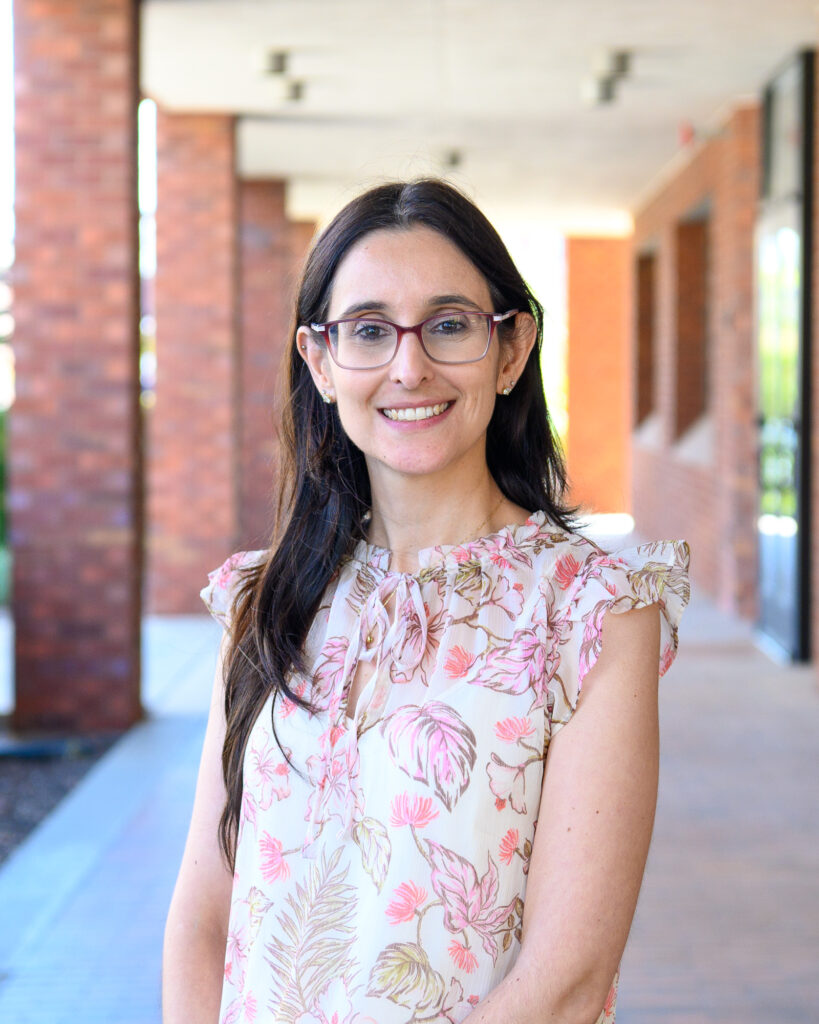
Mariana Mendes Bahia outside the Speech and Hearing Science Building. (Photo by Ethan Simmons | Applied Health Sciences)

And for reasons that aren’t fully understood, the rate of voice disorders appears to be rising in the United States, Mendes said. An estimated 17.9 million adults in the U.S. reportedly experienced a problem with their voice in the last year, according to the National Institute on Deafness and Other Communication Disorders.

“I think of individuals who may not realize the demands they place on their voice, and individuals experiencing voice disorders, for whom communication becomes effortful, limited or even distressing,” said Bahia, who researches swallowing disorders, clinically known as dysphagia.  

To Mendes, World Voice Day is an “extraordinary confluence of art and science,” exciting her students about anatomy and physiology, while showcasing an important part of the speech-language pathology vocation: outreach, education and illness prevention. 

“This day is a reminder that even if we studied and analyzed the voice 24/7, mysteries would still abound, and sometimes we can benefit from taking a pause and simply enjoy the wonder that is the human voice and its capacity for moving us through song or story,” Mendes said. “The Department of Speech and Hearing Science has a legacy of championing the human voice, and it’s incredible to share this with our students and the public.” 

Undergraduate and graduate students in Speech and Hearing Science helped develop educational materials for World Voice Day; explainers on how to protect the voice and when to seek medical attention.

“Our goal is for individuals to better understand how their voice works, recognize early signs of potential problems, and adopt simple habits to protect their voice,” Bahia said. “We also hope these events encourage people to seek care when needed and to view voice health as an important part of overall well-being.”

The Department of Speech and Hearing Science will celebrate “World Voice Day” on Thursday, April 16, at 11:15 a.m. at the Speech and Hearing Science Building.

Editor’s note:

To reach Mariana Mendes Bahia, email mmbahia@illinois.edu.
To reach Clarion Mendes, email cmendes2@illinois.edu.
 

Related news

A message to Speech and Hearing Science, from Department Head Georgia Malandraki


Georgia Malandraki, professor and department head of Speech and Hearing Science, has begun her second month as department head. (Ethan Simmons/College of AHS)

Dear Speech and Hearing Science community,

It is with pride and a deep sense of responsibility that I begin my role as Head of the Department of Speech and Hearing Science. Returning to Illinois, where I completed my Ph.D. and where many of our distinguished faculty shaped my early career, feels like coming home. It is both humbling and exciting to now have the opportunity to give back to the community that supported me from the start.

Over the past several months, I have begun to learn the many stories, strengths, and aspirations that make SHS such a vibrant community. Every conversation with faculty, staff, and students has reminded me of something I have known since I was a student here: SHS is a community where excellence and compassion go hand in hand, and where people genuinely care about making an impact. I am grateful to join you as we continue building on that foundation together.

I am thankful to be joining the department at a time of remarkable momentum, built under the leadership of former Head and Professor Pamela Hadley and Dean Cheryl Hanley Maxwell. The shared governance model, the selfless and dedicated service of faculty, the collective passion for impactful research and clinical training, and the strong commitment to inclusion that I have witnessed during this transition are outstanding.

Equally impressive is the work ethic and dedication of our faculty, staff, and students, clear indicators of the remarkable potential ahead. Importantly, the support and enriching environment provided by the College of Applied Health Sciences and the University as a whole foster collaboration, innovation, and sustained excellence, creating the conditions for SHS to grow and continue its legacy as one of the leading departments in the state and the country.

As we look toward the future, I see a department that not only sustains this legacy but continues to grow its reach locally, nationally, and globally. Together, we will focus on our shared goals:

  • Strengthening our position as a global leader in research and clinical training in communication sciences and disorders
  • Empowering students through exceptional and forward-thinking education
  • Expanding our engagement with communities and partners who rely on our expertise
  • Growing the resources and support needed to enhance discovery, education, and service

These are meaningful goals, and I am confident we can achieve them. The talent, commitment, and heart I see within SHS are truly remarkable.

In the coming months, I look forward to hearing your ideas, learning from your experiences, and working with you to shape the next chapter of SHS. I welcome perspectives from everyone—students, alumni, faculty, staff and friends—because the future we create together will be stronger for it.

Thank you for the very warm welcome. I am inspired by this department, energized by its potential, and honored to walk forward with you.

With warmest regards,
Georgia A. Malandraki, Ph.D., CCC-SLP, BCS-S, ASHA Fellow
Professor and Head

Related news

SHS researchers patent method to extract speech from noise using high frequencies


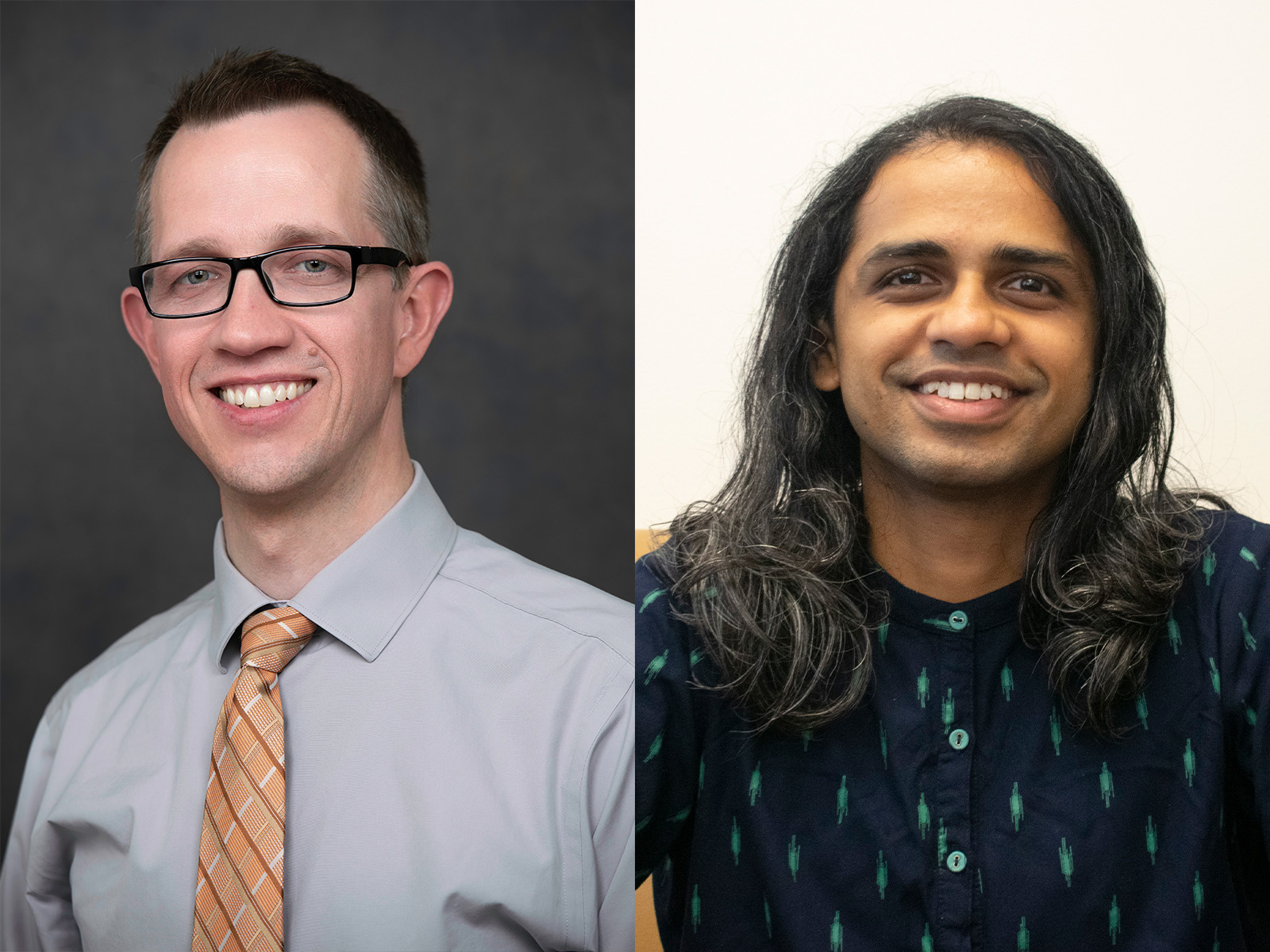
Associate Professor Brian Monson and Speech and Hearing Science Ph.D. student Rohit Ananthanarayana.

When we speak, the air moving through our vocal cords generates soundwaves vibrating at different frequencies: the higher the frequency, the higher the pitch. 

Most of our modern audio technology, including hearing aids, headphones, and phone conversations chop off the “top end” of these soundwaves to compress the information coming in while keeping speech understandable. 

But these extended high frequencies—8,000 Hz and above—contain important signals in the human voice, especially for comprehending speech in noisy environments. 

Two researchers in the Department of Speech and Hearing Science at the University of Illinois Urbana-Champaign, Associate Professor Brian Monson and doctoral student Rohit Ananthanarayana, have patented an algorithm to identify and extract speech signals from noise by using extended high-frequency information. 

The technique is novel, and with some investment, could be mapped onto existing modern hearing aids, earbuds and more. 

Where are these high frequencies useful? Picture a restaurant date where you’re trying to pay attention to your partner speaking on the other end of the table, and voices of other customers are bouncing all around you. 

“In those noisy settings in particular, that’s when these higher frequencies become valuable,” Monson said. “All the background noise masks out and interferes with those low frequencies, whereas these really high frequencies tend to stay pretty stable and unmasked, undegraded by the background noise.” 

Humans can hear frequencies vibrating from 20 Hz all the way up to 20,000 Hz. Most modern hearing aids capture frequencies up to 6,000 Hz, which covers most everyday sounds. Most clinical hearing tests don’t test subjects’ hearing above this range. 

Consonant sounds called “voiceless fricatives,” such as “s,” “sh,” “f” and “ph” sounds, contain energy above 8,000 Hz. Through grant-funded experiments, the researchers have shown the usefulness of these high-end frequencies—such as determining whether someone is facing you and speaking, or if they’re facing a different direction. 

In those noisy settings in particular, that’s when these higher frequencies become valuable.

Brian Monson

Associate Professor, Department of Speech and Hearing Science at Illinois

One experiment conducted by Monson and Ananthanarayana asked participants to listen to another person speaking, with and without the high-frequency range, and determine whether the speech was directed at them or not. 

“If you test listeners’ ability to perform this task, to determine whether someone’s looking at you or looking away, they do quite a bit better at that task if they have access to those really high frequencies,” Monson said.

While performing high-frequency research, the algorithm became an interesting side project to work on. The algorithm was developed to be retrofitted as well: the listening benefits could be implemented on existing tech with a firmware update. 

“We wanted to find some way to utilize the information in those extended high frequencies to enhance the target speech signal,” said Ananthanarayana, who began his Ph.D. at Illinois in 2021. “We identified a way that was novel but also feasible to try out with the resources and time that we had.” 

The patent itself was four years in the making; Monson filed the provisional patent in December 2021, and the two researchers used their backgrounds in electrical engineering to test, code and strengthen the algorithm further. 

To test its efficacy, they ran the algorithm on simulated speech recordings, where the “target talker” uttered short sentences in a noisy environment. The algorithm was judged for its ability to enhance the target signal’s clarity while suppressing background noise. 

Together with the Office of Technology Management, Ananthanarayana and Monson put together their patent application to safeguard their idea, which was awarded in October. 

“Ideally, someone would take interest in this—whether that’s us or someone else—and run with it to see if it’s implementable in hearing aid technology or other assistive listening device tech, like over-the-counter hearing aids, earbuds, headphones,” Monson said. “We think there’s potential there.”

Editor’s note:

The patent “Speech Identification and Extraction from Noise Using Extended High Frequency Information” was approved in October 2025. 

To reach Brian Monson, email monson@illinois.edu 
To reach Rohit Ananthanarayana, email rohitma2@illinois.edu
 

Related news

Meet Jerri and Lesli, our newest American Sign Language instructors


Lesli Williams (Provided)
Which classes are you teaching this year?

Jerri: I’m teaching two ASL III (SHS 321) courses and re-designing SHS 222: Language & Culture of Deaf Communities.

Lesli: This year, I’m teaching SHS 121: American Sign Language I, SHS 221: American Sign Language II and SHS 321: American Sign Language III.

Why did you want to become an ASL Instructor for the U. of I.? What attracted you to the role?

Jerri: It’s a great opportunity to teach at U. of I., which has a well-known and highly respected team in the U.S. I come from a Deaf family and love sharing my authentic background.

Lesli: I was drawn to the position because of its commitment to inclusive education and strong support for language and cultural diversity. The opportunity to teach ASL at a university level allows me to share the richness of Deaf culture with a broader audience and help bridge communication between Deaf and hearing communities.

Tell us about your life and career experience. How did you become an instructor of American Sign Language, and where has that taken you so far?

Jerri: I began teaching ASL in 2014 at George Washington University in Washington, D.C.

Jerri Seremeth (Provided)

Lesli: My journey with ASL started at the age of 2, I learned from a Deaf Mentor, Bob Laughna, self-taught books and old VHS signing videos, and learned signs from the Deaf Community. I grew up in only-mainstream education with no Deaf programs in my elementary, middle and high school. I graduated from Negaunee High School in 2005. I graduated from Northern Michigan University with associate’s degree in cosmetology, which I worked in salons for 15 years.

Over time, I developed a deep appreciation not just for the language, but for the culture and history of the Deaf community. After finishing up my cosmetology journey, I pursued a bachelor’s degree in Deaf Studies from Gallaudet University in 2015 and Masters in Adult Education and Training, specializing in Technology from University of Phoenix in 2017.  I eventually began teaching in 2017 at my alma mater Northern Michigan University while pursing my master’s with University of Phoenix at the same time.

Since then, I’ve taught in various settings—Northern Michigan University, where I did face-to-face and online teaching from 2017 to 2025, and Columbia College, where I taught online for the last two years, and I just started my new teaching career here at University of Illinois, Urbana-Champaign this semester —and have loved seeing students grow in both skill and cultural understanding.

If you had to choose, what is the most rewarding part of being an ASL instructor for you?

Jerri: The most rewarding part is being able to teach my language and culture, giving students exposure that helps them understand us better.

Lesli: One of the most rewarding parts of teaching ASL is witnessing students make meaningful connections—not just linguistically, but culturally. When students begin to understand Deaf culture and the importance of visual language, it opens their eyes to a whole new way of experiencing communication.

For those who haven’t taken any ASL classes, or those who aren’t familiar with the Deaf community, what do you think they would find the most surprising about American Sign Language or how it’s taught?

Jerri: They might be surprised by how important facial expressions are—they make up about 70% of our language.

Lesli: Many people are surprised to learn that ASL is a complete and complex language with its own grammar and syntax completely separate from English. They’re also often surprised by how interactive and visual ASL classes are—learning through movement, facial expressions, and storytelling is very different from traditional classroom learning.

Is there anything else you’d like folks in the department to know about you?

Jerri: My husband and I have eight children together. Our youngest is an exchange student from Africa, and all of our children are Deaf. Also, hiking is my favorite escape!

Lesli: I’m passionate about creating inclusive and engaging spaces for all learners. I also love collaborating with others in the department and beyond to promote awareness of Deaf culture and language. Outside the classroom, I enjoy walking, hiking, camping, playing with my beautiful daughters—ages 6, 5 and 2 years old—and attending Deaf events and traveling, which often feed back into my teaching. 

Related news

Health study involves adults with Down syndrome ‘every step of the way’


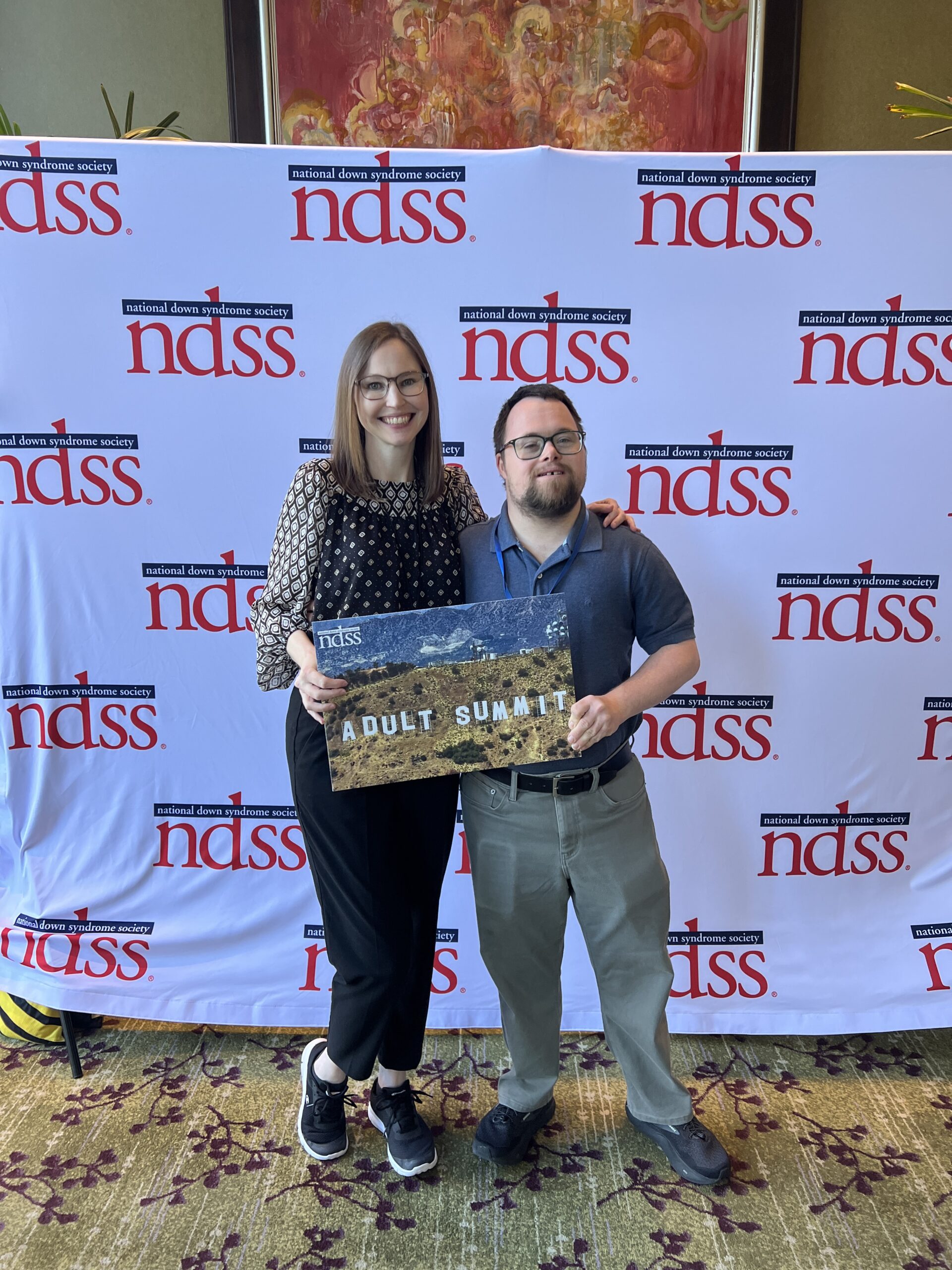
Marie Moore Channell and Joey Kane at the National Down Syndrome Society Adult Summit. (Provided)

The transition to adulthood can be a challenging phase for people with Down syndrome, as resources built to support them in their youth and in school begin to dry up.

Marie Moore Channell, associate professor of Speech and Hearing Science at the University of Illinois Urbana-Champaign, is the lead investigator on a new study funded by the National Institutes of Health, which will collect the direct perspectives of young adults with Down syndrome and develop community resources to support their social, mental and physical well-being.

Unlike any previous study on the topic, this one has a steering committee of adults with Down syndrome who’ve helped develop the direction of the study “every step of the way.”

“We realized that the research as a whole is missing that perspective from individuals with Down syndrome themselves,” Channell said. “It’s really a humbling experience as a researcher to take a step back and not say, ‘these are the topics missing in the literature.’ This time, we said, ‘you tell us.’”

Channell and her co-investigators, University of Nebraska-Lincoln’s Susan Loveall and Vanderbilt University’s Meghan Burke, have obtained a two-year, $446,096 grant from the National Institute of Child Health and Human Development for their study, titled “Developing and implementing community based participatory health research with young adults with Down syndrome.”

The research team will cast a wide net, conducting one-to-one Zoom interviews with adults with Down syndrome across the U.S. to better understand their health concerns, and how to best support them.

The study emerged from a separate survey the professors had sent out to caregivers of individuals with Down syndrome, which sought to identify the gaps in support that occur once they reached young adulthood. Adults with Down syndrome tend to live with a caregiver until age 50.

“Families tell us some version of the same thing, over and over: that the supports they were receiving when they were younger and in the schools, are taken away when they’re older,” Channell said.

They decided the topic warranted further investigation. But first, Channell and her team used their networks to form a steering committee with 12 young adults, all of whom have Down syndrome.

One of those steering committee members is Joey Kane, a 30-year-old from Seattle who met Channell at the National Down Syndrome Society Adult Summit a couple years ago. Channell described some of the participatory research she was interested in doing, and Joey was all ears.

“I like to help make a difference,” Kane said. “It’s giving my voice to be heard, and advocating not just for me, but for everyone else who has a disability.”

While the lead researchers have put the study in motion, the steering committee has met with them at least once a week over video calls, sometimes twice to accommodate members living in different time zones.

The health topics they’ve focused on, Channell said, have ranged from securing employment and community living, to improving physical health and self-advocacy skills.

All those priorities resonate with Kane. He lives in an apartment about a mile away from his parents’ house and has two jobs: he serves dinner at the cafeteria in a local nursing home and works the front desk at the Down Syndrome Center of Puget Sound, where he also helps teach in the center’s adult program.

Kane has enjoyed meeting the rest of the committee and learning about their perspectives on health topics. He credited Channell and the other study organizers for making sure everyone is represented.

“What’s really good about Marie and the people doing the study, is they can tell who hasn’t talked yet,” he said. “It makes me happy that everyone’s participating. If everyone participates, we’re going to have a good study.”

We realized that the research as a whole is missing that perspective from individuals with Down syndrome themselves.

Marie Moore Channell

Associate Professor, Speech and Hearing Science

Input from the steering committee has shaped the study in critical ways. For one, at the suggestion of the committee, the community resources will likely be geared for professionals who support individuals with Down syndrome, such as healthcare providers, case managers and job coaches.

The virtual interviews will be one-one-one video calls, rather than online surveys. Participants will be able to see questions ahead of time and bring pictures to illustrate their ideas.

“It is a technique we learned about in looking at the research, and that’s one the [steering committee] gravitated toward. It’s called ‘photovoice,’ and it’s been used in similar kinds of community participatory research methods,” Channell said.

The resources could take several forms, but what Channell knows for sure is she’ll be “working with this group every step of the way.” 

“I’ve never done this kind of work before, and it’s been a big learning curve, but really refreshing. Because it feels like we can make an impact a lot faster,” Channell said. “I still highly value the other kinds of research I’ve done, but this is something where it’s built into the project to implement into the community by the end.” 

The investigators will put together a “researcher’s toolkit,” compiling the successful practices and challenges of this participatory research. The team is currently hiring some of the steering committee members as co-researchers, who will be trained to help conduct the one-on-one interviews and take part in day-to-day research tasks.

“I’ve learned so much, and I see the value of connecting with the community, building a relationship and working with them before their research study is designed—not imposing your research questions on the community, we’re so used to doing that,” she said.

“It’s really challenging to change that, but I think it’s what we all should be doing more and more of as researchers.”

Editor’s note:

To reach Marie Channell, email channell@illinois.edu
Channell runs the Intellectual DisAbilities Communication Lab at Illinois. Visit their website.
 

Related news

Department of Speech and Hearing Science
901 South Sixth Street
M/C 482
Champaign, IL 61820
217-333-2230